Best AI Image Prompts for Food
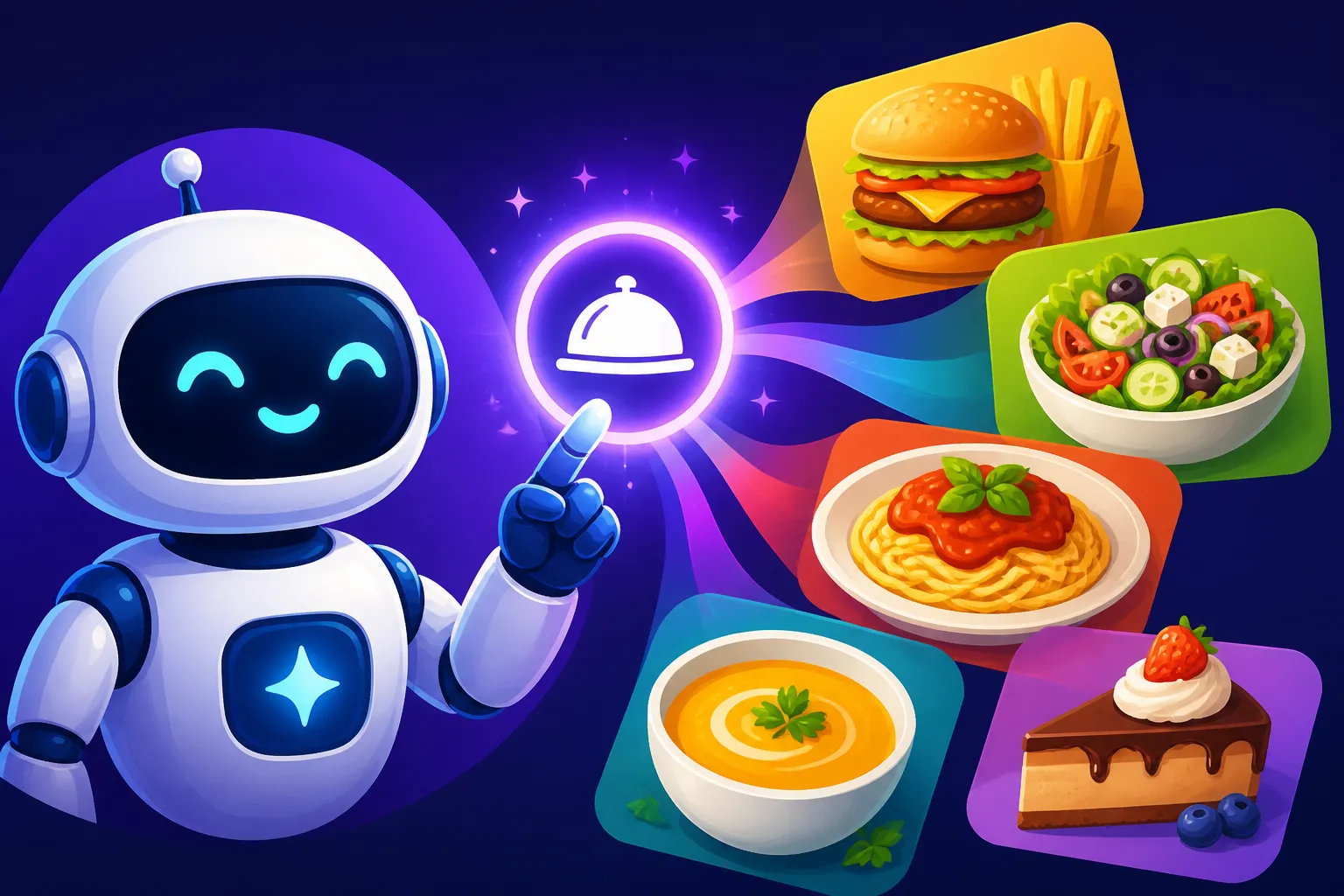
We've all been there: you type "delicious spaghetti carbonara" into an AI image generator, full of hope, only to be met with something that vaguely resembles pasta but looks utterly unappetizing, sometimes even a little… alien. Getting AI to create truly mouth-watering food images can feel like a secret art, especially when you're trying to capture that perfect, Instagram-ready shot for your blog, social media, or even a digital menu. This guide is here to unravel the mystery, helping you craft prompts that transform bland AI output into delectable digital feasts.
The Art of Appetizing AI Prompts for Food
Crafting AI prompts for food isn't just about naming the dish; it's about invoking all the senses, describing textures, aromas, and the overall experience. When you're trying to make someone's stomach rumble with just an image, you can't afford to be vague.
Why Generic Prompts Fall Flat for Food
Let's face it, simply asking for "pizza" is going to get you a very generic, often uninspiring, image of a pizza. It might be technically a pizza, but does it look like something you crave? Probably not. The AI doesn't understand the nuances of what makes food appealing unless you explicitly tell it. You might end up with soggy-looking crusts, plastic-like cheese, or toppings arranged in a way that defies culinary logic. It's frustrating to watch your vision of a vibrant, steaming dish turn into a flat, lifeless digital representation.
The problem lies in the AI's training data often including a vast array of food images, both good and bad, without a clear bias towards what humans perceive as delicious. Without specific instructions, it defaults to a kind of average, which in the world of food photography, means boring. You're trying to make food look alive, vibrant, and ready to be eaten, and a simple one-word prompt won't get you there. This is why many aspiring content creators throw their hands up, feeling like AI isn't cut out for food imagery. But with a bit of prompt engineering, it absolutely can be! If you're struggling to get better AI image results, you'll find that specificity is your best friend.
The Core Components of a Stellar Food Prompt
Think of a food prompt as a recipe for the AI. Just as a chef wouldn't just say "make cake" and expect a masterpiece, you can't just throw a dish name at an AI and expect a masterpiece. A truly effective food prompt is a symphony of descriptive elements, each playing a crucial role in bringing your dish to life. It’s about building a comprehensive mental picture for the AI, leaving as little to chance as possible.
The key is to break down the entire visual experience: the food itself, how it's presented, the light hitting it, and the environment it's in. We're talking about the star of the show, its supporting cast, and the stage directions. Ignoring any of these components will leave your AI with too much creative license, which, for food, often means a less-than-appetizing outcome. By understanding these core components, you can significantly improve your AI image prompt guide for beginners, ensuring your culinary creations truly shine.
| Component | Description | Example Keywords |
|---|---|---|
| Dish/Subject | The specific food item, including ingredients and preparation. | Freshly baked sourdough, crispy skin salmon, vibrant berry tart, steaming ramen, gooey chocolate lava cake. |
| Presentation | How the food is arranged on the plate, garnishes. | Artfully plated, rustic, minimalist, heaped high, drizzled with, sprinkled with, garnished with fresh mint. |
| Lighting | The type and direction of light, affecting mood and texture. | Soft natural daylight, dramatic backlighting, golden hour, studio lighting, dappled sunlight, high contrast. |
| Setting/Props | The background, table, linens, cutlery, atmosphere. | Rustic wooden table, marble countertop, cozy cafe, elegant restaurant, vintage silverware, linen napkin, steaming coffee. |
| Camera/Angle | How the image is framed and the perspective. | Overhead shot (flat lay), close-up macro, eye-level, wide angle, shallow depth of field, bokeh. |
| Style | The overall artistic or photographic aesthetic. | Photorealistic, cinematic, vibrant, moody, bright, food photography style, DSLR quality, editorial. |
Mastering Specificity: Describing the Dish and Its Details
This is where the magic really begins. Moving beyond basic labels and diving into the nitty-gritty of what makes your food special will yield exponentially better results. The AI needs to "taste" the food through your words.
From Basic to Mouth-Watering: Detailing Ingredients and Preparation
Instead of "pasta," let's talk about "al dente fettuccine, perfectly tossed in a rich, creamy garlic parmesan sauce, adorned with bright green, freshly chopped basil and glistening cherry tomatoes, finished with a subtle sprinkle of fiery chili flakes." See the difference? We've gone from a flat description to a vivid sensory experience. The AI now has a roadmap for textures, colors, and even the implied warmth of the dish.
Think about adjectives that describe taste, texture, and freshness. Is it "crispy," "tender," "fluffy," "gooey," "succulent," or "golden-brown"? Mentioning specific ingredients like "heirloom tomatoes," "wild mushrooms," or "artisanal cheese" adds a layer of authenticity and visual interest. Don't forget the preparation method: "pan-seared," "slow-roasted," "char-grilled," "oven-baked," or "deep-fried" all imply different visual characteristics and textures that the AI can interpret. For example, "a slow-roasted chicken, falling off the bone, with crispy golden skin" gives the AI much more to work with than just "roasted chicken." The more you describe the inherent qualities of the food, the closer the AI will get to creating something truly appetizing.
Capturing the Perfect Plating and Garnishes
The way a dish is presented can make or break its visual appeal. Just imagine a perfectly cooked steak slapped onto a plate versus one meticulously sliced and fanned out, accompanied by a vibrant herb chimichurri. Plating is an art form, and you need to convey that artistry to the AI. Describe the arrangement: "artfully plated," "stacked high," "rustically arranged," or "minimalist presentation."
Garnishes are the jewels of a dish, adding color, texture, and freshness. Don't just say "garnish." Be specific! "Garnished with delicate microgreens," "a swirl of créme fraîche," "a dusting of powdered sugar," "freshly grated lemon zest," or "candied pecans" all provide clear instructions for the AI to enhance the visual appeal. Consider how these elements contribute to the overall aesthetic. Is it a vibrant sprig of rosemary on a savory dish, or a delicate edible flower on a dessert? These small details, when properly prompted, can transform an ordinary AI image into an extraordinary one.
Setting the Scene: Ambiance, Lighting, and Camera Angles
Food photography isn't just about the food; it's about the story the image tells. The environment, the way light hits the subject, and the angle from which it's viewed all contribute to that narrative.
Illuminating Your Dish: The Power of Lighting
Lighting is arguably the most crucial element in food photography, and translating its nuances into AI prompts is key. Different types of lighting evoke different moods and highlight different aspects of the food. "Soft, diffused natural daylight coming from a window" will give a completely different feel than "dramatic backlighting with a shallow depth of field, emphasizing steam." If you're aiming for a realistic look, check out our guide on how to write AI prompts for photorealistic images.
Consider these lighting scenarios:
- Natural Daylight: "Bright, airy kitchen with natural sunlight streaming through a window," "soft, diffused daylight on a rustic wooden table." This often creates a clean, inviting look, perfect for fresh ingredients or brunch items.
- Backlighting: "Dramatic backlighting, creating a beautiful rim light around the edges of the food, emphasizing texture and steam." This is fantastic for highlighting transparency (like a drink) or creating a halo effect.
- Golden Hour: "Warm, golden hour lighting, casting long shadows, creating a cozy and inviting atmosphere." Ideal for comfort food or outdoor dining scenes.
- Studio Lighting: "Professional studio lighting setup, high key, evenly lit, with a softbox effect," "dark, moody studio lighting with strong contrast." This can range from clean and clinical to dramatic and artistic.
Experiment with combinations and be precise about the direction and quality of the light. Does it enhance the glossiness of a glaze or the crispness of a crust?
The Background Story: Context and Props
The background and props are supporting actors that enhance the main star – your food. A "freshly baked apple pie on a vintage checkered tablecloth with a cozy autumn-themed background" creates a warm, nostalgic feeling. Contrast that with "a minimalist dessert on a sleek marble countertop with a blurred modern kitchen background," which suggests elegance and sophistication.
Think about the story you want to tell. Are you going for a home-cooked feel, a fine dining experience, or something more casual and rustic?
- Settings: "Distressed farmhouse wooden table," "cool concrete slab," "clean white backdrop," "outdoor picnic blanket," "bustling cafe interior."
- Props: "Silver cutlery," "handmade ceramic plates," "steaming coffee cup," "scattered fresh herbs," "colorful tea towel," "vintage cookbook."
Avoid overcrowding the scene; sometimes less is more. The props should complement, not distract from, the food. Also, consider any elements you don't want. Using negative prompts can be incredibly helpful here, for instance,no cluttered background, no dirty dishes.
Finding the Best Angle: Composition and Framing
The camera angle determines what aspect of the dish is highlighted and how the viewer perceives it. It's not just about pointing and shooting; it's about strategic storytelling.
- Overhead Shot (Flat Lay): "Perfect overhead flat lay shot, showcasing an entire spread of breakfast items." This is excellent for showing multiple dishes, intricate arrangements, or patterns. Think charcuterie boards or breakfast buffets.
- Close-Up Macro: "Extreme close-up macro shot, focusing on the intricate textures of a flaky croissant, with a soft bokeh background." This emphasizes details, textures, and makes the food feel almost tangible. It's great for showcasing that gooey cheese pull or the individual grains of salt on a pretzel.
- Eye-Level Shot: "Eye-level shot of a stacked burger, highlighting its towering layers and fresh ingredients." This makes the viewer feel like they are about to eat the dish, giving a more personal and relatable perspective.
- Wide Shot: "Wide shot of a beautifully set dinner table, with a festive centerpiece and warm candlelight, blurry guests in the background." This provides context and ambiance, showing the food as part of a larger experience.
Also, consider "shallow depth of field" to create a beautiful bokeh effect that isolates your food, making it pop. Or a "dynamic angle" to add energy and movement. Remember, the goal is to make the image visually engaging and, above all, delicious!
Advanced Prompting Techniques for Food Photography Styles
Once you have the basics down, you can start pushing the boundaries and experimenting with different artistic styles or ensuring hyper-realism. This is where your AI food images can truly stand out.
Achieving Photorealism and Artistic Flair
Many users aim for images that look indistinguishable from real photographs. To achieve this, your prompts need to instruct the AI to render details with photographic fidelity. Think about how light interacts with surfaces, subtle reflections, and even minor "imperfections" that add to realism. For instance, "photorealistic image of a perfectly seared salmon fillet with crispy skin, glistening with a lemon-butter sauce, subtle steam rising, a few drops of condensation on a nearby glass of white wine." Incorporating terms like "high-resolution," "detailed texture," "natural light," and "professional food photography" can guide the AI effectively. If you want to delve deeper, our guide on how to add realism to AI images is an excellent resource.
On the flip side, you might want to create something more stylized. AI image generators are fantastic at transforming everyday objects into various artistic mediums. You could ask for:
- "A vibrant berry tart rendered as a watercolor painting, soft brushstrokes, pastel colors."
- "A rustic Italian pasta dish depicted as a detailed oil painting, rich textures, chiaroscuro lighting."
- "A steaming cup of coffee in a whimsical cartoon style, bold outlines, warm color palette."
- "An isometric 3D render of a gourmet sushi platter, clean lines, studio lighting."
- "A vintage advertising poster for a retro milkshake, vibrant colors, distressed texture."
These artistic styles can be incredibly engaging for different platforms and purposes, from blog illustrations to unique social media content. For more specific guidance, check out articles like How to Write AI Prompts for Watercolor Images or How to Write AI Prompts for 3D Render Images.
Incorporating Mood and Emotion into Your Food Images
Food isn't just sustenance; it's deeply tied to emotions and experiences. A cozy bowl of soup on a rainy day feels different from a refreshing summer salad. Your prompts can direct the AI to capture these moods. Words like "cozy," "vibrant," "elegant," "hearty," "comforting," "refreshing," or "indulgent" can dramatically shift the visual tone.
Consider the color palette and atmosphere. "A warm, inviting image of hot chocolate with marshmallows, flickering fireplace in the blurred background, creating a cozy and comforting mood" paints a clear emotional picture. Or, "a brightly lit, energetic scene of a colorful fruit salad on a picnic blanket, surrounded by lush green grass, evoking a refreshing and joyful summer feeling." The inclusion of subtle elements, like a hand reaching for a piece of bread (if the AI handles hands well, which can be tricky!), or steam rising from a hot dish, can further enhance the emotional resonance. Understanding how to prompt for different moods will unlock a new level of creativity in your food imagery. While challenging, consistent character generation can sometimes apply to consistent food presentation too, especially if you're trying to achieve a repeatable brand aesthetic, much like our advice on how to create consistent AI product shots.
Ultimately, the best AI image prompts for food are those that leave nothing to the imagination. Be descriptive, be specific, and think like a professional food photographer breaking down every element of their shot. The more detail you provide, the closer the AI will get to generating that truly irresistible image.
Disclaimer
The information provided in this article is for general guidance and informational purposes only. While we strive to offer the most up-to-date and practical advice on AI image generation, the field of artificial intelligence is rapidly evolving. The capabilities and limitations of AI tools can change frequently. Users should always exercise their own judgment and discretion when creating and using AI-generated images, especially for commercial purposes, and verify any legal or licensing requirements pertaining to AI art in their specific jurisdiction.