AI Image Prompt Guide for Beginners
Effective AI image prompt writing uses precise subjects, settings, styles, and negative prompts to generate specific visuals.

Effective AI image prompt writing uses precise subjects, settings, styles, and negative prompts to generate specific visuals.

AI image prompting instructions explain subject, style, setting, and lighting details to transform vague ideas into precise visuals.

Budget options for artificial intelligence image generators range from completely free tiers to affordable subscriptions providing commercial rights.

Free AI image generators offer daily credit limits, varying commercial licensing terms, and tools like Bing Image Creator and Leonardo AI.

AI image generators help users create professional product photos quickly, reducing costs and overcoming traditional photography challenges.

AI image generators for every use case explain custom visuals, blog graphics, marketing assets, and product photography.

Midjourney and Stable Diffusion differ in code openness, user interfaces, learning curves, and specific aesthetic generation styles.

Midjourney and DALL-E compare across artistic styles, prompt interpretation, Discord interfaces, and OpenAI integration.

Midjourney features, pricing, and artistic quality examined, covering core parameters, aspect ratios, editing modes, and visual aesthetics.
AI image generators review explains key features, pricing, and top platforms like Midjourney, DALL-E, and Stable Diffusion.
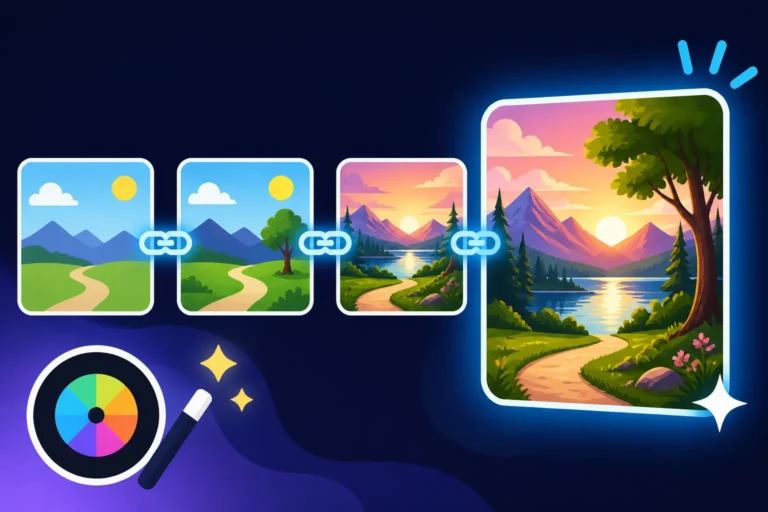
Chained editing in DALL-E teaches users how to refine AI images step by step utilizing inpainting and outpainting tools.
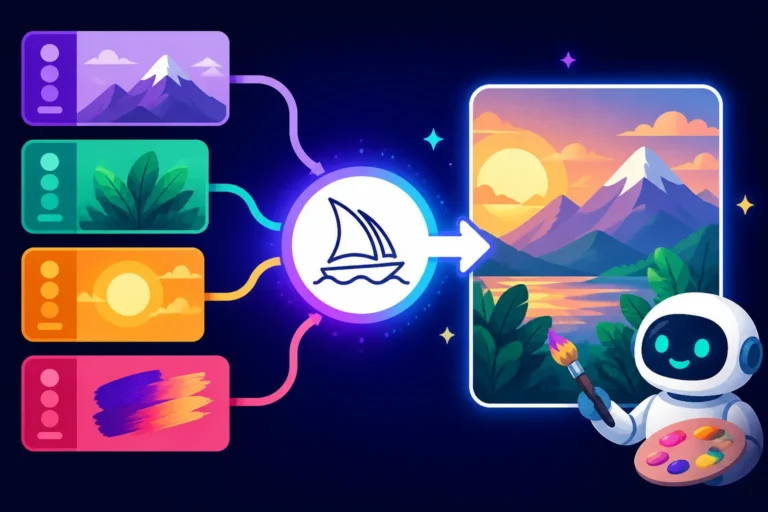
Midjourney multi-prompts separate distinct concepts with double colons and apply numerical weights for precise control over generated images.

Effective Midjourney prompt structuring involves combining subjects, mediums, styles, settings, and technical parameters to control AI image generation.
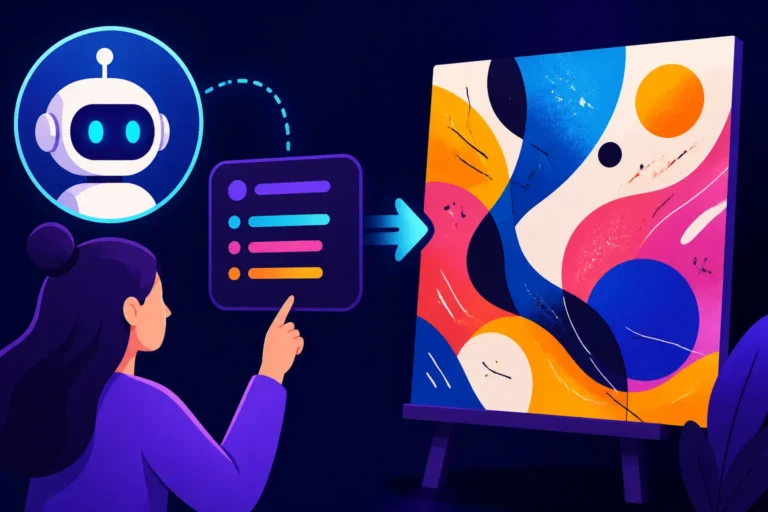
Effective prompt strategies help users generate stunning abstract art using artificial intelligence image generators instead of messy digital noise.

Detailed AI prompting techniques help users transform vague interior design ideas into stunning, realistic space images.
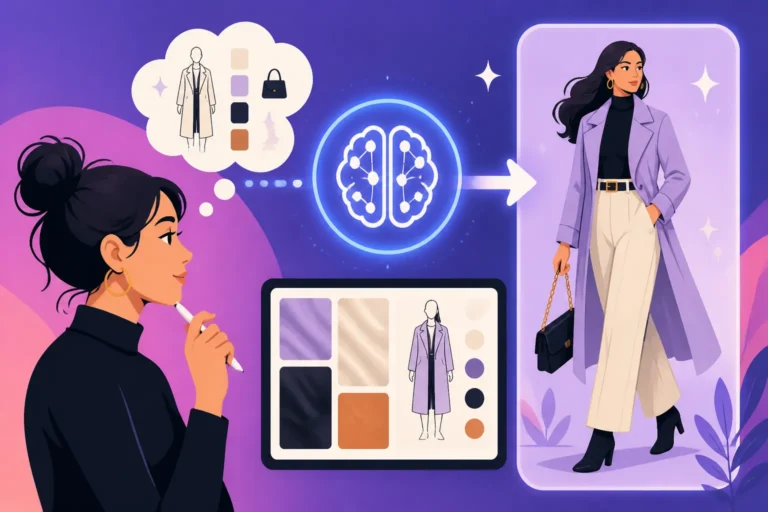
Fashion image prompting requires precise details about garments, textures, lighting, models, and negative prompts to achieve realistic results.

Effective AI food prompts use specific ingredients, cooking methods, textures, and lighting to create realistic images of delicious meals.
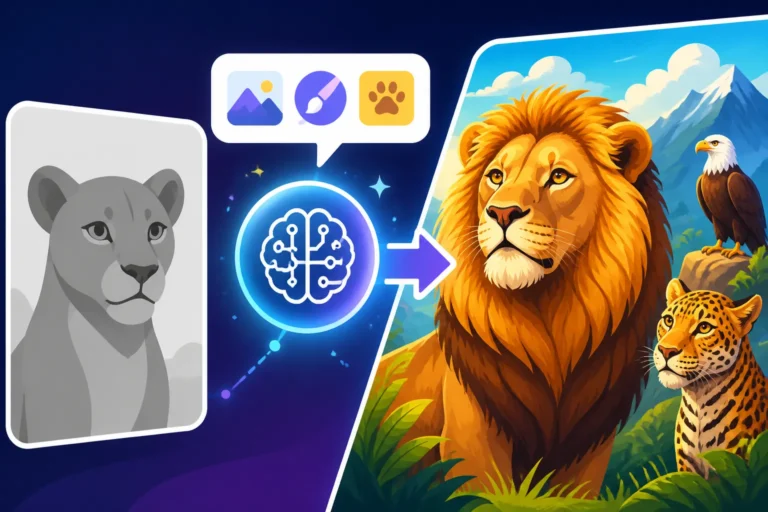
Prompting techniques help fix animal anatomy errors, improve backgrounds, and generate lifelike creatures using specific species details.

Effective AI architectural prompts require precise structural definitions, historical styles, specific materials, and contextual environmental details.

Product image generation instructions explain how to craft precise prompts, lighting, backgrounds, and camera settings for commercial success.