AI Image Generators for Ecommerce
Running an e-commerce business is tough, right? You're juggling inventory, customer service, marketing, and a million other things, and one of the biggest headaches can be getting high-quality, consistent product photos without breaking the bank or spending weeks in a studio. That endless need for fresh, engaging visuals for product listings, social media, and ads can feel like a bottomless pit of expenses. But what if I told you there’s a powerful tool emerging that can revolutionize how you create those visuals? This guide is here to walk you through exactly how AI image generators are becoming an indispensable asset for e-commerce, helping you solve those persistent visual content challenges.
The E-commerce Visual Challenge and AI's Solution
For years, the visual aspect of selling online has been a massive hurdle for many e-commerce entrepreneurs and small businesses. We all know that a picture is worth a thousand words, and in the digital storefront, it often means the difference between a sale and a missed opportunity. But actually getting those pictures? That’s where the real struggle begins.
Traditional Photography Headaches: Cost, Time, and Logistics
Think back to the last time you needed professional product photography. It's often a significant investment. You might have to hire a photographer, rent a studio, buy props, and then spend hours coordinating shoots and reviewing proofs. For a single product, this can easily run into hundreds, if not thousands, of dollars. Now multiply that by a growing catalog of products, seasonal collections, or just the constant need for new marketing creatives. It adds up fast, doesn't it?
Beyond the financial strain, there's the sheer logistical nightmare. Scheduling shoots, shipping products to a studio, waiting for edits, and then the inevitable back-and-forth for revisions can stretch content creation timelines from days to weeks. This delay can be crippling in the fast-paced world of e-commerce, where trends change overnight and new products need to launch quickly. For small business owners, especially those just starting on platforms like Etsy or Shopify, these barriers often mean sacrificing quality or quantity, settling for less-than-ideal smartphone shots, or simply not having enough visual variety to truly showcase their offerings. It’s a real Catch-22 situation.
Why AI Image Generators Are a Game-Changer: Speed, Cost-Efficiency, and Consistency
Enter AI image generators. These incredible tools are fundamentally shifting the landscape of visual content creation, especially for e-commerce. They represent a monumental leap forward, offering solutions to many of the frustrations we just discussed. Instead of waiting for a photoshoot, you can describe the image you want in plain text—a "prompt"—and within seconds, the AI generates several options for you.
The speed is simply unmatched. Need a product shot with a specific background? Or a lifestyle image featuring a model that doesn't exist? You can generate dozens of variations in minutes, not days. This means you can iterate rapidly on marketing campaigns, test different visual styles, and respond to trends almost in real-time. Moreover, the cost efficiency is staggering. While many top-tier AI tools like Midjourney or Adobe Firefly come with subscription fees, these are a fraction of the cost of traditional photography services. Even free options like Bing Image Creator Free Tier Explained or the free tiers of Leonardo AI offer a fantastic starting point for small businesses. This empowers even the leanest startups to produce high-quality visuals previously reserved for larger brands with bigger budgets.
Perhaps one of the most underrated benefits is consistency. AI can generate images that adhere closely to specific style guidelines, color palettes, and lighting conditions. Once you nail a prompt and style for your brand, you can replicate it across countless images, ensuring a cohesive and professional look throughout your online store and marketing materials. This consistency builds brand recognition and trust, a critical factor for any thriving e-commerce venture.
Key Use Cases for AI Image Generators in E-commerce
The applications of AI image generators in e-commerce are incredibly diverse, extending far beyond simple product photos. These tools can elevate almost every visual touchpoint a customer has with your brand, helping you tell a more compelling story and drive more sales.
Generating Product Photography: Studio Shots, Lifestyle Images, and Variations
This is often the first thing e-commerce businesses think of, and for good reason. AI tools excel at producing a wide array of product visuals.
White Background Studio Shots
The classic, clean white background shot is the bread and butter of e-commerce. It highlights the product without distractions and is a requirement for many marketplaces like Amazon. With AI, you can upload an image of your product and prompt the AI to place it on a pristine white background with perfect, even lighting. Imagine a small business selling handmade jewelry. Instead of setting up a mini studio, they can take a quick phone pic, run it through an AI tool, and instantly get a professional-looking, shadow-free image ready for their Shopify store. This democratizes high-quality visuals, making it accessible even to those without photography skills or expensive equipment. For more on this, you might find our guide on How to Use AI Image Generators for Product Photography quite useful.
Contextual Lifestyle and In-Use Images
Beyond basic studio shots, customers want to see how a product fits into their lives. Lifestyle images that show a product being used or in a relatable setting are crucial for demonstrating value and inspiring purchases. With AI, you can generate an endless variety of scenarios. Selling a durable backpack? Prompt for it "on a mountain trail at sunrise" or "slung over a stylish traveler's shoulder in a bustling city." Offering artisanal candles? Generate images of them "glowing on a cozy living room mantelpiece" or "as a centerpiece for an elegant dinner party." This allows you to create aspirational content that resonates deeply with your target audience, showing them not just the product, but the experience of owning it.
Product Variations and Mockups
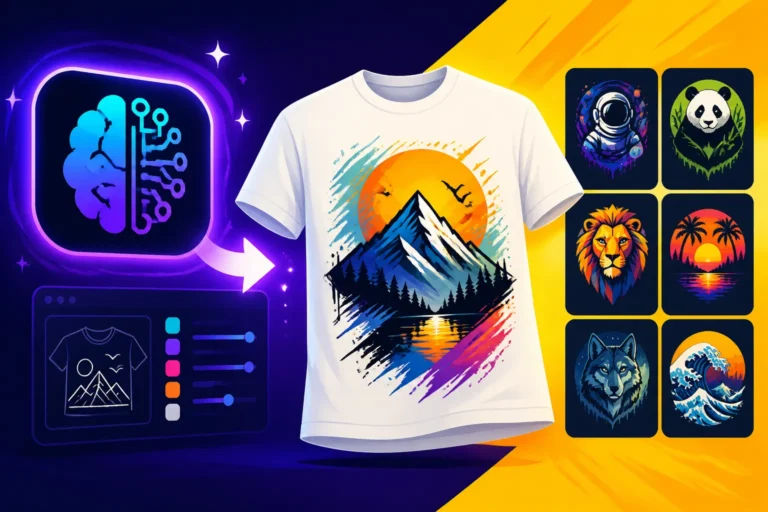
Managing variations like different colors, sizes, or patterns can be a logistical headache for photography. AI simplifies this immensely. You can generate a single product in multiple colorways or patterns without having to manufacture every single variant for a photoshoot. This is particularly valuable for print-on-demand businesses or those offering highly customizable products. Furthermore, AI is fantastic for creating realistic mockups. Selling t-shirts? Generate a mockup of your design on a model of any gender, ethnicity, or body type, wearing different accessories or in various settings, saving you the cost and time of creating physical samples. It’s an incredible way to visualize your entire product line before committing to production.
Creating Engaging Marketing Visuals: Ads, Social Media, and Email Campaigns
Marketing is inherently visual, and AI provides an endless wellspring of creative assets for all your promotional needs.
Eye-Catching Social Media Graphics
Social media thrives on fresh, dynamic content. Manually designing graphics for Instagram, Facebook, or Pinterest can be time-consuming and costly. AI image generators allow you to whip up stunning visuals in minutes. Need a series of posts for a weekend sale? Prompt for "vibrant images of summer products with a playful vibe" or "elegant product shots with minimalist typography space." You can generate a library of scroll-stopping images that align perfectly with your campaign themes, ensuring your brand stands out in crowded feeds. Tools like Canva AI or even Playground AI can be incredibly useful here, often integrated into design platforms you might already be using.
Compelling Ad Creatives
Effective advertising requires constant testing and iteration. Different images resonate with different audiences, and what works today might be stale tomorrow. AI enables rapid A/B testing of ad creatives. You can generate numerous variations of an ad image—different product angles, backgrounds, models, emotional tones, or calls to action—and quickly deploy them to see which performs best. This granular control and speed allow marketers to optimize their campaigns much more efficiently, getting a better return on ad spend. Imagine creating 50 unique ad images for a new product launch in an afternoon, rather than weeks. This level of agility is transformative.
Personalized Email and Website Banners
Emails with engaging visuals have significantly higher open and click-through rates. AI can help you create custom banners and images for your email newsletters, promotions, and website landing pages. You can even experiment with personalized visuals based on customer segments, creating images that directly appeal to specific demographics or past purchase behaviors. For instance, if you know a customer frequently buys pet supplies, imagine sending them an email with an AI-generated banner featuring their specific pet breed alongside a new product. The potential for hyper-personalization, as covered in topics like AI Image Generators for Marketing Images, is truly exciting for fostering customer loyalty.
Designing Branding Elements: Logos, Banners, and Website Graphics
A strong brand identity is paramount for any e-commerce business. AI can assist in developing and maintaining this visual consistency across all brand assets.
Crafting Unique Logos and Favicons
While complex logo design often still benefits from human ingenuity, AI can be an incredible starting point or even a complete solution for simpler, modern logos and favicons. You can prompt for "a minimalist logo for a sustainable coffee brand with a leaf motif" or "an abstract symbol for a tech startup incorporating lines and circles." The AI can generate dozens of concepts, giving you a strong foundation or even a finished product. This is particularly beneficial for bootstrapped startups or those looking to rebrand quickly without a hefty agency fee. Tools like Ideogram are known for their ability to handle text within images, making them excellent for logo creation where legible text is crucial. For more details on this specific use case, check out How to Use AI Image Generators for Logos.
Creating Cohesive Website Banners and Headers
Your website is your digital storefront, and its visual appeal directly impacts credibility and user experience. AI can generate custom banners, headers, and hero images that perfectly match your brand's aesthetic and current campaigns. If your site has a clean, modern aesthetic, you can prompt for "sleek, minimalist product photography for a homepage banner" or "abstract geometric patterns in brand colors for a header." This ensures that every visual element on your site feels intentional and cohesive, reinforcing your brand identity at every turn. Consistency across your entire digital presence is vital, and AI makes achieving that much easier.
Developing Consistent Brand Style Guides
Beyond individual assets, AI can help you define and maintain a consistent visual style for your brand. By generating images based on a core set of prompts, colors, and stylistic cues, you can build a library of reference images that embody your brand's unique look and feel. This serves as a practical style guide for all future content creation, whether it's done by humans or AI. It helps ensure that all visual outputs, from product listings to social media posts, contribute to a unified brand experience, making your e-commerce business instantly recognizable and trustworthy.
Choosing the Right AI Image Generator for Your E-commerce Business
With so many AI image generators popping up, picking the right one for your e-commerce needs can feel overwhelming. It’s not a one-size-fits-all situation, and what works for an artist creating fantasy art might not be ideal for a dropshipper needing clean product shots.
Factors to Consider: Quality, Ease of Use, Commercial Rights, and Pricing
Before diving into specific tools, it's essential to understand the criteria that matter most for an e-commerce business.
Image Quality and Realism
For product photography, realism and high quality are non-negotiable. Blurry, distorted, or overtly "AI-generated" images can erode customer trust. You need tools that produce crisp details, accurate textures, and believable lighting. Some AI models excel at photorealism, while others might lean towards more stylized or artistic outputs. Consider what level of fidelity your products demand. For a luxury brand selling watches, the AI needs to render metallic finishes and intricate details flawlessly. For a playful children's toy store, a slightly more whimsical, vibrant style might be acceptable. Always prioritize tools that offer high-resolution outputs suitable for both web and potentially print if you expand your offerings. You can check out articles like Best AI Image Generator for Quality to help guide your decision.
Ease of Use and Workflow Integration
As an e-commerce business owner, your time is precious. You don't want to spend hours learning complex interfaces or writing arcane prompts. Look for tools with intuitive user interfaces, clear instructions, and perhaps even drag-and-drop functionalities or pre-set templates tailored for e-commerce. Some tools operate within Discord, like Midjourney, which might have a slight learning curve for some, while others offer a more traditional web application experience, such as Adobe Firefly or DALL-E directly within ChatGPT. Consider how easily the tool can integrate into your existing workflow, whether that's direct downloads, API access, or integration with design platforms like Canva. The less friction, the more efficient your content creation will be.
Commercial Use Rights and Indemnification
This is perhaps the most critical factor for any business using AI-generated images. Can you legally use the images for commercial purposes, like selling products or running ads? Many free tools or personal plans explicitly restrict commercial use. Always, always read the terms of service carefully. Some premium tools, like Adobe Firefly, offer IP indemnification, meaning they will defend you if a copyright dispute arises from an image generated with their tool, provided you used it responsibly. This offers invaluable peace of mind. Without clear commercial rights, you risk legal issues down the line. It's an area where cutting corners can have serious consequences, so understanding How to Use AI Images Without Copyright Issues is essential.
Pricing Models and Value for Money
AI image generators come with various pricing structures: free tiers with limitations, credit-based systems, monthly subscriptions, or even one-time purchases for self-hosted models. Evaluate your volume needs. If you only need a few images a month, a free tier or a pay-as-you-go model might suffice. If you're running multiple campaigns and need hundreds of images, a subscription with unlimited or generous credit allowances might be more cost-effective. Compare the cost per image, the features included in each tier (e.g., faster generation, private generation, advanced editing), and whether the tool truly offers value commensurate with your business demands. Don't just look at the raw price; consider the total value proposition.
Top Tools and Their Strengths for E-commerce
Let's look at some of the leading AI image generators and how their particular strengths might align with different e-commerce needs.
| AI Tool | Key Strengths for E-commerce | Best For | Pricing Model |
|---|---|---|---|
| Midjourney | Exceptional artistic quality, photorealism, diverse styles. | High-end lifestyle shots, unique marketing visuals, artistic product branding, general image creation with high aesthetic standards. | Subscription (various tiers, credit-based) |
| DALL-E | Strong context understanding, good for variations, integrated with ChatGPT. | Generating diverse concepts, quickly creating variations, basic product shots, marketing visuals within a broader AI workflow. | Credit-based (free credits, paid top-ups) |
| Adobe Firefly | Commercial safety (indemnification), excellent for text effects, integrates with Adobe ecosystem. | Commercial-use graphics, marketing materials requiring text, website banners, users already in Adobe Creative Cloud. | Free tier, subscription (part of Creative Cloud) |
| Leonardo AI | Strong control with models/tools, good for consistent characters/objects, free tier. | Generating consistent product lines, creating mockups, game assets, small businesses on a budget with more control needs. | Free tier, subscription (credit-based) |
| Ideogram | Best-in-class for text rendering in images, logo creation. | Logos, social media graphics with prominent text, advertising banners, creating visuals where typography is key. | Free tier, subscription (credit-based) |
| Stable Diffusion | Open-source, highly customizable, local deployment. | Developers, those needing ultimate control/customization, users with specific hardware, creating specialized assets without cloud fees. | Free (open-source), cloud hosting costs |
| Canva AI | User-friendly, integrated into a popular design platform, templates. | Quick social media posts, simple banners, non-designers needing fast graphics, combining AI images with existing templates. | Free tier, subscription (Canva Pro) |
Midjourney: Aesthetic Excellence for Lifestyle Shots
Midjourney is renowned for its incredible artistic quality and ability to generate highly aesthetic, often cinematic, images. While its strength isn't always in sterile white-background product shots, it excels at creating stunning lifestyle photography and captivating marketing visuals. If your e-commerce brand thrives on strong storytelling, aspirational imagery, or unique visual aesthetics, Midjourney can be a powerful ally. Imagine a brand selling artisanal coffee generating "a steaming cup of coffee on a rustic wooden table with morning sunlight streaming through a window, highly detailed, photorealistic." Midjourney can deliver results that are truly breathtaking, perfect for Instagram feeds and website hero sections. Just be aware of its Discord-based interface, which might take a little getting used to. Many consider its output among the Best AI Image Generator for Quality.
DALL-E: Versatile Concepts and Variations
DALL-E, especially its integration within ChatGPT, is fantastic for generating a wide range of concepts and quickly iterating on variations. It's often praised for its strong understanding of complex prompts and its ability to produce diverse interpretations. For e-commerce, this means you can easily generate different angles of a product, variations of a model, or multiple background options without much effort. If you need to explore many visual ideas for an upcoming campaign or product launch, DALL-E's versatility makes it a strong contender. It's an excellent tool for rapid prototyping of visual content.
Adobe Firefly: Commercial Safety and Ecosystem Integration
Adobe Firefly stands out for its strong emphasis on commercial safety, offering IP indemnification for its generated images (under certain conditions). For e-commerce businesses, this peace of mind is invaluable. Firefly also integrates seamlessly into the Adobe Creative Cloud ecosystem, making it a natural fit for businesses already using Photoshop or Illustrator for their design work. It's particularly strong for generating text effects and fills, which can be useful for creating promotional banners or stylized product names. For those concerned about commercial rights and wanting tight integration with professional design tools, exploring Adobe Firefly Commercial Safety Review is a smart move.
Leonardo AI: Control and Free Tier Power
Leonardo AI offers an excellent balance of control, quality, and accessibility, including a very generous free tier. It provides users with various models specifically trained for different styles, allowing for more precise control over the output. This level of customization is great for maintaining brand consistency. For instance, you could train a model on your existing product images to ensure future AI-generated shots match your established aesthetic. Its free tier is a huge advantage for startups or small businesses testing the waters. For those interested in getting started without immediate financial commitment, exploring the Leonardo AI Free Tier Review can offer great insights.
Ideogram: Unrivaled Text in Images
If your e-commerce visuals frequently involve text—think sale banners, social media quotes, or even logos with embedded product names—then Ideogram is a frontrunner. Historically, AI image generators struggled with legible text, often producing garbled nonsense. Ideogram has largely overcome this challenge, making it incredibly powerful for creating marketing assets where text is paramount. It’s perfect for generating "25% OFF!" banners, "New Collection Alert!" social graphics, or even creating branded images with taglines. For any e-commerce business where typography plays a crucial role in communication, Ideogram can significantly streamline content creation.
Stable Diffusion: Open-Source Flexibility
Stable Diffusion is an open-source model, meaning it can be run locally on your computer (with the right hardware) or through various online services. Its strength lies in its incredible flexibility and vast community support, offering countless custom models (LoRAs) and extensions. For e-commerce businesses that might want highly specialized imagery or want to integrate AI generation directly into their own platforms, Stable Diffusion offers unparalleled customization. While it has a steeper learning curve than some other tools, the freedom it provides can be invaluable for technical users or those seeking to avoid subscription fees for basic usage. For those wanting to delve into its capabilities, reading Is Stable Diffusion Still Worth Learning could be very insightful.
Canva AI: Simplicity for Everyday Design
Canva AI is an excellent option for users who are already familiar with Canva’s intuitive design platform. It allows you to generate images directly within your Canva projects, making it incredibly easy to create social media posts, marketing flyers, or simple website banners by combining AI-generated elements with Canva’s extensive library of templates and design assets. It’s not necessarily the most powerful for photorealism, but its ease of use and seamless integration make it a go-to for busy e-commerce owners who need quick, functional graphics without a steep learning curve. If you're looking for a quick and easy solution, considering Canva AI Image Generator Review might be beneficial.
Crafting Effective Prompts for E-commerce Success
The quality of your AI-generated images hinges almost entirely on the quality of your prompts. Think of prompts as your instructions to a highly skilled, but literal, artist. The more clear, detailed, and specific your instructions, the better the outcome will be. For e-commerce, this means mastering the art of describing not just the product, but its context, mood, and intended audience.
Prompt Engineering Basics for Product Shots: Describing Product, Setting, and Style
When generating images for e-commerce, it’s crucial to be methodical in your prompting. Don't just type "red shoe." That will give you a very generic image. Instead, break down your request into key components.
Describing the Product with Precision
Start with the core subject. Be as specific as possible about the product itself. Include details like color, material, specific features, and any unique identifiers. For example, instead of "mug," try "a glossy ceramic coffee mug, forest green, with a subtle speckle finish, ergonomic handle." If it's a piece of apparel, specify the fabric, cut, and any embellishments: "a relaxed-fit linen shirt, sky blue, with pearl buttons and rolled sleeves." The more details you provide, the less the AI has to guess, and the closer the generated image will be to your actual product. Remember, the AI doesn't know your product unless you tell it every single visual attribute.
Setting the Scene and Environment
The background and environment are just as important as the product itself. Do you want a clean studio shot, or something more evocative? Specify the background color, texture, or even a detailed scene. For a studio shot, you might say: "on a seamless white backdrop, soft studio lighting." For a lifestyle shot: "on a reclaimed wood dining table, bokeh background of a sunny kitchen window, surrounded by fresh herbs." Think about the atmosphere you want to create. Is it rustic, modern, luxurious, playful? These descriptive words are what guide the AI in crafting the perfect stage for your product. Being intentional about the setting can dramatically improve the perceived value of your product.
Defining the Visual Style and Aesthetic
Finally, guide the AI on the style of the image. This includes photographic techniques, art styles, and overall mood. Consider aspects like lighting, camera angle, and artistic influences. For example: "professional studio photography, high resolution, soft diffused light, shallow depth of field, product hero shot" for a clean look. Or, for a more artistic approach: "moody editorial photography, chiaroscuro lighting, cinematic, 85mm lens, f/1.8." You can also include broader style tags like "minimalist," "bohemian," "futuristic," or "vintage." Experiment with different styles to see what resonates most with your brand and target audience. For a deeper dive into prompt crafting, consider reading How to Write AI Prompts for Product Photography.
Advanced Prompting for Lifestyle and Context: Storytelling with AI
Once you've mastered the basics, you can move into more advanced prompting techniques to create compelling lifestyle and contextual images that tell a story around your product.
Incorporating Human Elements and Models
Many e-commerce products are designed for human interaction. Showing your product with people interacting with it can significantly boost engagement and relatability. When prompting for models, be specific about their demographics, actions, and emotions. Instead of "woman holding bag," try "a smiling young woman with curly red hair, wearing a stylish denim jacket, casually carrying a tan leather crossbody bag, walking through a bustling city park, golden hour light." You can specify ethnicity, age range, body type, clothing style, and even facial expressions. This helps create diverse and inclusive marketing materials that appeal to a broader customer base, making your brand more approachable and aspirational.
Guiding Composition and Camera Angles
Think like a photographer or director. What perspective best highlights your product? You can specify camera angles like "eye-level shot," "low-angle perspective," "overhead shot," or "close-up." For composition, you can ask for "rule of thirds," "leading lines," or "symmetrical composition." For instance, "a close-up, top-down shot of a handmade ceramic bowl filled with colorful fresh fruit, soft natural light, minimalist setting." This level of detail helps you achieve a desired aesthetic that might otherwise require significant post-processing or multiple retakes in a traditional shoot. Fine-tuning these elements ensures your product is presented in the most flattering and engaging way possible.
Evoking Mood and Emotion
Beyond physical descriptions, AI can interpret abstract concepts like mood and emotion. Use descriptive adjectives to convey the feeling you want the image to evoke. For a cozy blanket, you might prompt for "a sense of warmth, comfort, and relaxation." For a high-tech gadget, "a feeling of innovation, sleekness, and efficiency." Combining these with lighting and color choices can create incredibly powerful and persuasive visuals. For example: "a couple laughing joyfully, sharing a glass of sparkling cider, warm candlelight, cozy living room, evoking feelings of togetherness and celebration." This emotional connection is often what drives purchasing decisions, and AI can help you craft images that tap directly into those feelings.
Integrating AI Images into Your E-commerce Workflow
The true power of AI in e-commerce isn't just generating individual images, but how seamlessly it can integrate into and streamline your entire operational workflow. It's about efficiency, consistency, and scalability.
Streamlining Product Listings: Consistent Images Across Platforms
Maintaining a consistent visual identity across different sales channels is critical for brand recognition and customer trust. AI image generators make this significantly easier.
Generating Uniform Product Angles and Lighting
One of the biggest challenges for e-commerce stores, especially those with large catalogs or selling across multiple platforms (like Shopify, Etsy, Amazon, and eBay), is maintaining visual consistency. Product images should ideally have uniform angles, lighting, and backgrounds. With AI, you can establish a "seed" image or a master prompt that generates this consistency. For example, if you sell artisanal soaps, you could define a prompt that always produces a "3/4 view of a bar of soap, on a minimalist wooden tray, soft overhead lighting, muted background." Once you have this, you can generate hundreds of product images that all look like they were shot in the same professional studio, even if your actual products are in different locations. This creates a highly professional and trustworthy appearance across all your listings. This is explored further in How to Create Consistent AI Product Shots.
Adapting Images for Specific Marketplace Requirements
Different e-commerce platforms often have varying image requirements—think aspect ratios, minimum resolutions, and background policies. Amazon, for instance, often requires a pure white background for main product images. With AI, you can generate images tailored to these specific needs. You can prompt for a "1:1 aspect ratio, product centered, pure white background" for Amazon, and then use the same product reference to generate a "dynamic lifestyle shot, 16:9 aspect ratio, engaging background" for your Shopify store banner. This eliminates the need for extensive manual cropping, resizing, or background removal in post-production, saving valuable time and ensuring compliance with marketplace guidelines. This adaptability makes AI an invaluable asset for multi-channel sellers.
Batch Processing for Large Product Catalogs
Imagine needing to update images for hundreds of products. Traditionally, this would be an enormous, time-consuming task. Many AI image generation tools offer batch processing capabilities or APIs that allow you to generate images for an entire product catalog simultaneously. You can provide a list of products and a set of master prompts, and the AI will churn out the necessary visuals. This is a game-changer for businesses with extensive inventories, seasonal updates, or those frequently adding new items. It drastically reduces the labor involved in creating and updating product listings, freeing up resources for other critical business operations.
Automating Marketing Content Creation: Batch Generating Visuals
Beyond product listings, AI streamlines the creation of marketing collateral, making your campaigns more dynamic and responsive.
Rapidly Producing Social Media Campaigns
The demand for fresh content on social media is insatiable. AI allows you to generate entire social media campaigns in a fraction of the time. If you have a specific theme or aesthetic for a week-long promotion, you can create a suite of images that share that look and feel. For example, for a "Spring Refresh" campaign, you could generate images of products in springtime settings, with relevant color palettes and fresh textures. This means you're never scrambling for content, always staying ahead of your posting schedule, and consistently engaging your audience with new, high-quality visuals. It dramatically reduces the content creation bottleneck that often plagues social media marketing efforts.
Creating A/B Test Variations for Ad Creatives
Optimizing advertising performance often relies on rigorous A/B testing of various ad creatives. AI image generators make it incredibly easy to create numerous visual variations for your ads. You can take a core concept and generate slightly different versions—altering the model's pose, changing the background color, adding a subtle prop, or adjusting the lighting—to see which resonates most with your target audience. For example, you might test an ad creative showing your product in a minimalistic setting against one featuring it in a vibrant, busy environment. This iterative process, enabled by rapid AI generation, allows you to quickly identify winning creatives and maximize your ad spend efficiency.
Personalizing Visuals for Email Marketing Segments
Personalization is a key driver of engagement in email marketing. While full individual personalization might be complex, AI allows for easy segmentation-based personalization. If you segment your email list by customer preferences (e.g., activewear buyers vs. casual wear buyers), you can generate specific banners or product highlights tailored to each segment. For instance, an email to your activewear segment could feature an AI-generated image of someone jogging with your product, while the casual wear segment receives an image of someone relaxing with it. This bespoke approach makes your emails feel more relevant and thoughtful, improving open rates, click-through rates, and ultimately, conversions.
Maintaining Brand Consistency: Style Guides and Seed Images
Brand consistency is vital for building trust and recognition. AI can be a powerful tool in enforcing and maintaining this consistency.
Developing a Core Visual Language
Before diving into generation, think about your brand's core visual language. What colors, textures, lighting, and general aesthetic define your brand? Create a set of "seed prompts" or "reference images" that encapsulate this style. These can be actual photos, logos, or even a mood board. Then, use these as inputs or guiding principles for your AI generation. For example, a brand might establish that all product photos should have "soft natural light, a muted pastel color palette, and a focus on handcrafted texture." By consistently applying these elements in your prompts, the AI will learn and reproduce this signature style across all your generated images.
Utilizing Seed Images and Style Transfer
Many advanced AI tools allow you to use a "seed image" to influence new generations. This is incredibly useful for maintaining a consistent look and feel across different products or campaigns. If you have a hero product image that perfectly embodies your brand, you can use it as a visual reference for generating images for new products. Some tools also offer style transfer capabilities, allowing you to take the aesthetic qualities (colors, textures, lighting) from one image and apply them to another. This is a fantastic way to ensure that all your visuals, regardless of the product, feel like they belong to the same family and brand.
Creating and Adhering to Brand Style Guides
AI can help in the creation of your visual brand guide by offering diverse iterations of specific elements you're considering. Once established, the consistency in AI generation can help adhere to it. Imagine having a digital style guide where you simply input a new product, and the AI generates several options that fit your predetermined brand aesthetic perfectly. This reduces the subjective guesswork and ensures that every visual asset reinforces your brand identity. It also makes it easier for different team members to create on-brand content, even if they aren't seasoned designers. For more on this, articles like How to Keep Brand Consistency with AI Images can provide valuable insights.
Overcoming Challenges and Ethical Considerations
While AI image generators offer incredible advantages, it's not a magic bullet. There are practical challenges to navigate and important ethical considerations that e-commerce businesses must address to use these tools responsibly and effectively.
Dealing with Imperfections and Editing: Fixing Hands, Garbled Text, and Upscaling
AI has made leaps and bounds, but it's not perfect. You'll encounter artifacts and oddities that require human intervention.
Common AI Quirks and How to Address Them
Let's be real, we've all seen those AI images with extra fingers, bizarrely rendered faces, or nonsensical text. These "AI quirks" are a common frustration. When generating images for e-commerce, these imperfections can be detrimental. For instance, a beautifully rendered product shot can be ruined by a strange distortion in a reflected surface or an oddly formed hand holding the item. The key is to be aware that these can happen and to be prepared to either regenerate, refine the prompt, or perform post-processing edits. Tools often have features like "inpainting" or "outpainting" that allow you to select and regenerate specific parts of an image that didn't turn out quite right. Many AI image tools with the Best Editing capabilities can help here.
The Role of Post-Processing and Human Touch
Even the best AI-generated image often benefits from a human touch in post-processing. Think of the AI as generating a strong draft, not necessarily a final masterpiece. A quick pass in image editing software like Adobe Photoshop or even a simpler tool like GIMP or Canva can fix minor blemishes, adjust color balance, sharpen details, or correct subtle distortions. You might need to add your brand's logo, overlay specific text, or ensure colors are perfectly aligned with your brand palette. The goal isn't to replace human designers entirely but to empower them with AI as a powerful first-pass creative assistant. This collaboration ensures quality and maintains your unique brand voice. Don't shy away from tools like Magnific AI Upscaler Review if you need to refine details and achieve higher resolutions.
Upscaling and Detail Enhancement
Many AI image generators produce images at a moderate resolution. For web use, this might be fine, but for high-resolution marketing materials, print, or simply a clearer look, you'll often need to upscale. Dedicated AI upscalers can enlarge images without losing quality, often even adding realistic detail that wasn't present in the original generation. They can smooth jagged edges, enhance textures, and improve overall clarity. This is crucial for making your AI-generated assets look truly professional and suitable for all your e-commerce needs, from tiny favicons to large promotional banners.
Understanding Commercial Use and Copyright: Legal Aspects and Best Practices
Navigating the legal landscape of AI-generated content is complex and rapidly evolving. It's an area where businesses need to proceed with caution.
Navigating the Murky Waters of AI Copyright
The question of who owns the copyright to AI-generated images is still largely unsettled in many jurisdictions. Different AI tools have different terms of service regarding commercial use. Some models (especially open-source ones) might allow complete freedom, while others (especially closed, proprietary ones) retain certain rights or place restrictions. Some require attribution, others do not. As an e-commerce business, you must ensure you have the explicit right to use these images for profit. This means scrutinizing the terms and conditions of every AI tool you use. Ignorance is not a defense if a copyright dispute arises. This is why tools offering Adobe Firefly Commercial Safety Review and indemnification are so attractive to businesses.
Best Practices for Commercial Use and Attribution
To mitigate risks, here are some best practices:
- Read the TOS: Always, always read the terms of service for each AI tool you use.
- Choose Commercial-Friendly Tools: Prioritize tools that explicitly grant commercial use rights for their paid tiers.
- Keep Records: Document which AI tool generated which image, and when, along with the version of the TOS in effect at the time.
- Use AI as a Tool, Not a Crutch: If you heavily modify an AI-generated image with human-created elements, your claim to copyright might be stronger in some regions.
- Consider Indemnification: If available, tools offering IP indemnification provide an extra layer of protection.
- Seek Legal Counsel: For truly critical assets or if you have concerns, consult with a legal professional specializing in intellectual property.
Remember, the landscape is shifting, so staying informed about legal developments is crucial for any e-commerce business leveraging AI-generated visuals.
The Role of Human Oversight: AI as an Assistant, Not a Replacement
It's tempting to think AI can just take over, but for e-commerce, the human element remains vital.
Guiding AI with Creative Vision
AI is a powerful tool, but it lacks genuine creativity, empathy, or understanding of human nuance. It's a fantastic executor of instructions. Your role as an e-commerce owner or marketer is to provide the creative vision. You know your brand, your target audience, and your market. It's your human insight that crafts the compelling prompts, defines the aesthetic, and selects the most effective images from the AI's output. AI can generate thousands of images, but only a human can truly discern which ones will resonate with customers and drive sales. Think of AI as your most efficient, tireless design assistant, not the creative director.
Quality Control and Brand Alignment
Human oversight is absolutely essential for quality control. This means reviewing every AI-generated image before it goes live on your product page or in an ad. Are there any subtle imperfections? Does it truly align with your brand's values and aesthetic? Does it misrepresent your product in any way? These are questions only a human can answer. A good workflow involves generating options with AI, critically evaluating them, refining prompts, and then doing a final edit with human eyes. This ensures that while you benefit from AI's speed, you never compromise on the quality and integrity of your brand image.
Adapting to Market Feedback and Trends
The e-commerce world is dynamic. Trends change, customer preferences evolve, and market feedback provides invaluable insights. AI, by itself, cannot interpret this feedback or adapt its strategy. That's where you come in. You analyze your sales data, social media engagement, and customer reviews, and then use those insights to inform your AI prompts and visual strategy. If your customers are responding well to lifestyle images featuring diverse models, you adapt your prompts accordingly. AI helps you execute these adaptations rapidly, but the strategic direction comes from human intelligence and market understanding.
Future Trends: What's Next for AI in E-commerce Visuals
The world of AI is moving at an astonishing pace, and what we see today is just the beginning. For e-commerce, the future of AI-generated visuals promises even more incredible possibilities, pushing the boundaries of what's possible in online retail.
Hyper-Personalization at Scale: Tailored Visuals for Individual Customers
Imagine a future where every customer sees unique product visuals tailored specifically to their preferences, browsing history, and demographics. This isn't science fiction; it's the logical next step for AI in e-commerce.
Dynamic Product Displays Based on User Data
Currently, most e-commerce sites show the same product images to all visitors. But with advanced AI, dynamic product displays could become commonplace. A customer who frequently buys minimalist decor might see a product presented in a sleek, uncluttered setting, while another who prefers rustic charm sees the same product in a cozy, farmhouse-style environment. AI could analyze user data—past purchases, viewing habits, even demographic information—to instantly generate and display product images that are most likely to appeal to that specific individual. This level of personalization would make shopping feel incredibly bespoke and relevant, significantly boosting engagement and conversion rates.
AI-Generated Models and Contexts for Niche Segments
For niche markets, finding appropriate models and settings for product photography can be a huge challenge. AI can solve this by generating models and contexts that perfectly represent specific demographic or lifestyle segments. Whether it's showing a product being used by an elderly person, a person with a specific hobby, or in a culturally relevant setting, AI will be able to create these hyper-specific visuals on demand. This allows brands to connect more authentically with diverse audiences without the logistical nightmares of traditional photoshoots for every single segment. It moves beyond generic representation to truly resonate with individual identities.
Personalized Ad Creatives for Individual Journeys
Beyond product pages, hyper-personalized AI will revolutionize advertising. Imagine an ad campaign where each user sees a unique ad creative, generated in real-time by AI, based on their personal browsing history, interests, and stage in the buying journey. If a customer has viewed a specific product multiple times but hasn't purchased, AI could generate an ad showing that product in a new, compelling light, addressing a potential hesitation or highlighting a feature they haven't seen. This level of granular targeting and personalization promises to make advertising far more effective and less intrusive, as the visuals truly speak to the individual's needs and desires.
Interactive and 3D Product Renders: Immersive Shopping Experiences
The flat, static image is evolving. Future AI will enable more immersive and interactive product visualizations, bringing the in-store experience online.
Real-time 3D Model Generation from 2D Images
Currently, creating 3D models for e-commerce is a complex and expensive process. However, AI is rapidly developing the ability to generate realistic 3D models from a few 2D product images. This means an e-commerce business could simply upload a handful of existing product photos, and AI would create a fully rotatable, interactive 3D model that customers can manipulate on the website. This would allow shoppers to examine products from every angle, zoom in on details, and get a much better sense of the item than static images can provide, significantly reducing returns due to inaccurate expectations.
AI-Powered Virtual Try-On and Augmented Reality
Virtual try-on experiences are already emerging, but AI will make them incredibly realistic and accessible. Imagine being able to "try on" clothes, jewelry, or even see furniture in your home, all powered by AI-generated renders. AI can analyze a user's body shape or room dimensions and instantly render how a product would look, complete with realistic lighting and draping. This blends the virtual with the real, offering an immersive shopping experience that reduces uncertainty and boosts buyer confidence. For clothing retailers, this could mean drastically lower return rates, a huge win for both businesses and the environment.
Generative AI for Product Customization Previews
For customizable products (e.g., shoes, furniture, personalized gifts), AI will allow customers to design their item and see a photorealistic preview instantly. Instead of a generic template, customers could choose colors, materials, patterns, and features, and the AI would generate a bespoke image of their unique creation in real-time. This provides instant gratification and helps customers visualize their custom product before committing to a purchase, enhancing satisfaction and encouraging creativity.
AI-Powered Virtual Photography Studios: Full Automation
The ultimate vision for AI in e-commerce visuals is the fully autonomous virtual photography studio, where the entire visual content pipeline is managed by AI.
Automated Scene Generation and Asset Placement
Imagine an AI system that takes your product data (SKU, dimensions, materials, descriptions) and automatically generates an appropriate scene, places the product, and shoots it from optimal angles with perfect lighting. This goes beyond simple background changes. The AI could create entire virtual environments—a cozy cafe for a mug, a sleek office for a laptop, a vibrant beach for swimwear—and ensure every detail, from shadows to reflections, is perfectly rendered. This system would dramatically reduce the need for physical studios, props, or even human input for basic product imagery, freeing up resources for highly creative, complex campaigns.
AI for Seasonal and Trend-Based Content Generation
Keeping up with seasonal trends and holidays is a constant battle for marketers. Future AI systems could proactively generate relevant content based on upcoming events, holidays, or emerging visual trends. For example, as Thanksgiving approaches, the AI might automatically suggest and generate product photos with autumnal backdrops or themed props. It could analyze fashion trends and suggest new visual styles for your apparel line. This predictive and proactive content generation would ensure your e-commerce business is always visually relevant and fresh, capturing customer interest at critical times of the year.
AI-Driven Visual Analytics and Optimization
Finally, AI won't just generate images; it will also analyze their performance. Future AI systems will track which visuals perform best across different platforms, demographics, and campaigns, and then use that data to refine future image generation. This creates a powerful feedback loop where the AI learns what resonates with your audience and continuously optimizes its output for maximum impact. Imagine an AI not only generating your ad creatives but also telling you why one version performed better than another, and then automatically creating a new, optimized version based on those insights. This blend of creation and analysis will usher in an era of unprecedented efficiency and effectiveness in e-commerce visual content.
Disclaimer
The information provided in this article is for general informational purposes only and does not constitute professional advice. While we strive to provide accurate and up-to-date information, the field of AI technology is rapidly evolving. We recommend consulting with relevant experts and reviewing the specific terms of service for any AI tools you use, especially concerning commercial use and copyright.