AI Image Generators for Every Use Case
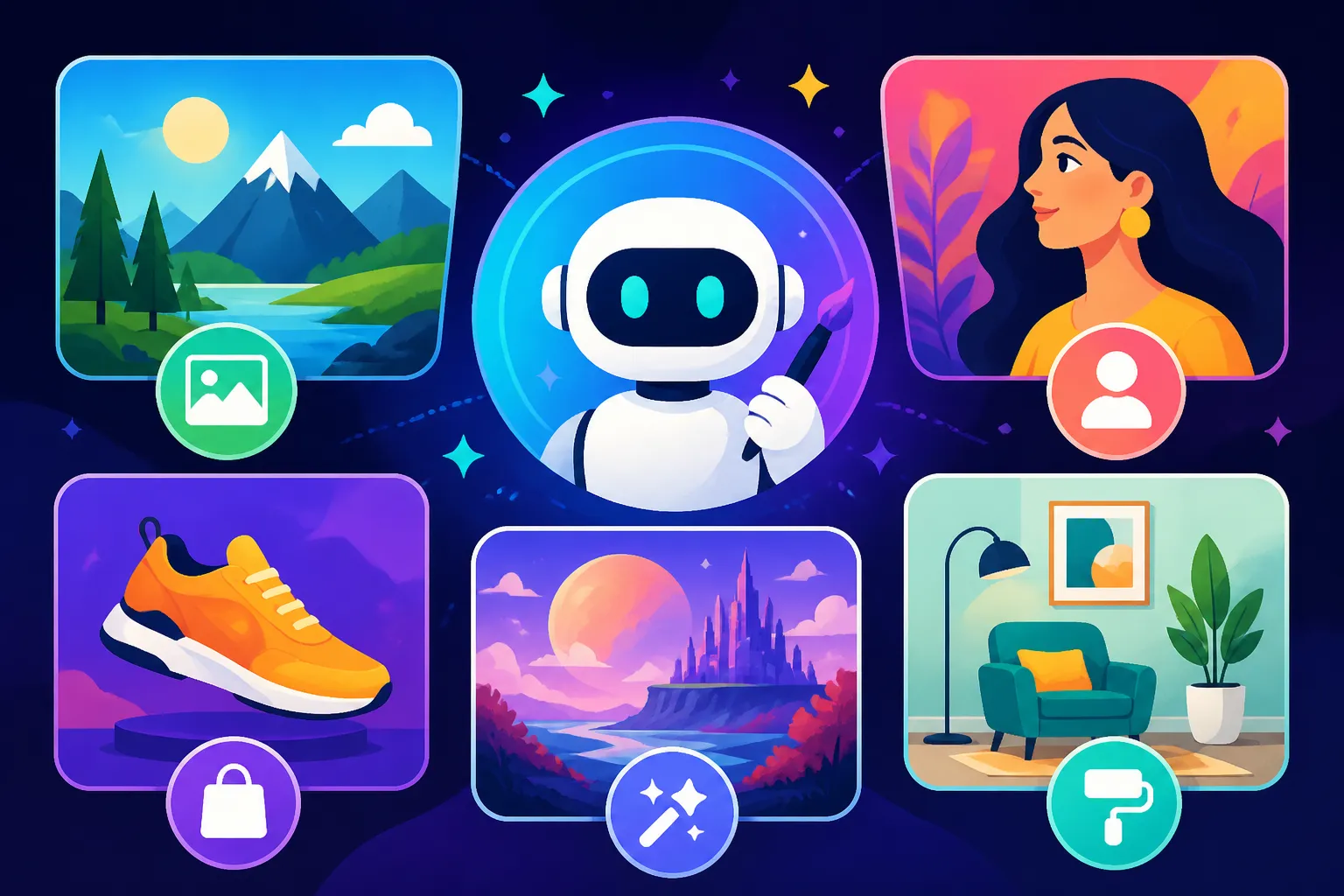
Oh, the sheer frustration of needing a perfect image for your blog post, a killer graphic for social media, or even just a unique piece of art for your home, only to be met with exorbitant stock photo prices, endless searches for free-but-meh options, or the daunting prospect of learning complex design software from scratch. It’s enough to make you want to throw your hands up in exasperation! But what if I told you there’s a whole new world opening up, where your imagination is the only limit to creating stunning visuals? This comprehensive guide is here to walk you through the incredible, diverse landscape of AI image generators and show you exactly how these revolutionary tools can serve practically every visual need you can dream up, from casual hobbies to serious business endeavors.
The Dawn of a New Era in Visual Creation
For years, getting high-quality, unique images was a bottleneck for so many of us. Whether you're a small business owner, a budding blogger, or just someone with a creative itch, the traditional avenues often felt inaccessible, expensive, or just plain creatively stifling. We've all been there, scrolling through generic stock photo sites, hoping to stumble upon something that almost fits our vision, only to settle for "good enough." That "good enough" feeling? It’s soul-crushing when you’re trying to convey a specific message or emotion.
The Frustration of Traditional Image Sourcing
Think about it: professional photographers and graphic designers charge a premium, and rightfully so—their skill and time are invaluable. But for everyday needs, or for those just starting out, that cost can be a huge barrier. Then there's the free image route: places like Unsplash or Pixabay offer fantastic resources, but everyone uses them. You end up with the same generic smiling person holding a laptop as countless other websites, completely diluting your brand's unique identity. And let's not even get started on the time sink of trying to learn Photoshop or Illustrator, programs that are incredibly powerful but have a steep learning curve that many simply don't have the hours to climb.
How AI Image Generators Changed the Game
Enter AI image generators, a true game-changer that has absolutely democratized visual creation. Suddenly, the power to conjure up almost any image from thin air, simply by typing a few words, is literally at our fingertips. This isn't just about creating images faster; it's about unlocking possibilities that were previously out of reach for anyone without a deep budget or specialized skills. Imagine describing a whimsical forest scene with glowing mushrooms and tiny fairies, and moments later, having several unique interpretations appear before your eyes. This technology empowers individuals and small businesses to compete visually with much larger entities, fostering an incredible burst of creativity across the board. It truly shifted the paradigm from "What image can I find?" to "What image can I dream up?"
Unlocking Creativity for Content Creators
If you're creating content of any kind, whether it's for a personal blog, a bustling YouTube channel, or an influential social media presence, visuals are no longer optional—they're essential. They capture attention, convey emotion, and break up text, making your content more engaging and digestible.
Blog Posts and Article Visuals
One of the most immediate and impactful uses for AI image generators for content creators is populating blog posts and articles with compelling visuals. Gone are the days of endless scrolling through stock photos that sort of, but not really, fit your specific niche. Now, if you're writing about, say, "the secret life of garden gnomes," you can generate a truly unique, charming, and perfectly themed image of a gnome tending a miniature succulent garden. This not only makes your article more visually appealing but also ensures that your imagery is 100% on-brand and unique to your content.
You can create featured images that grab attention on social shares, or use diverse images throughout your post to illustrate complex points or simply add visual flair. For example, if your article details different historical periods, you could generate period-accurate illustrations that might be difficult or costly to source otherwise. The sheer customization offered by tools like Midjourney or DALL-E means you're no longer limited by what's already out there. If you're struggling to make your blog posts pop, diving into a guide on How to Use AI Image Generators for Blog Images can really make a difference.
The ability to maintain a consistent aesthetic across all your blog imagery is another huge win. By refining your prompts and using similar styles, you can develop a signature look that readers will instantly recognize and associate with your content. This builds brand recognition and professional credibility, even if you’re a solo creator working on a tight budget. It’s like having an on-demand illustrator who understands your vision perfectly, without the hourly rate.
Social Media and Marketing Graphics
Social media platforms are visual-first environments. A scroll-stopping image can be the difference between your post getting noticed or getting lost in the noise. AI image generators are a godsend for anyone managing social media, from individual influencers to marketing teams. Need a vibrant graphic to announce a flash sale? Or a dreamy, ethereal background for an inspirational quote? Just prompt it! The speed at which you can generate options is unparalleled.
Consider how often you need fresh, engaging content for platforms like Instagram, Pinterest, or Facebook. Constantly creating unique visuals manually is exhausting and time-consuming. With AI, you can generate a series of images for an entire week's worth of posts in a fraction of the time. This frees you up to focus on crafting compelling captions and engaging with your audience, rather than getting bogged down in design software. To really nail your online presence, learning How to Use AI Image Generators for Social Media Graphics is a skill worth investing in.
Furthermore, AI tools can help you A/B test different visual concepts rapidly. You can generate multiple versions of an ad creative, each with a slightly different style, color palette, or composition, and then test which one performs best with your audience. This data-driven approach allows you to optimize your marketing efforts and truly understand what resonates, leading to higher engagement and better campaign results.
YouTube Thumbnails and Video Overlays
For YouTubers, the thumbnail is arguably one of the most critical elements for attracting views. It’s the virtual storefront for your video. A captivating, clear, and relevant thumbnail is crucial for standing out in a crowded feed. Using AI image generators, you can craft highly specific thumbnails that accurately reflect your video's content and pique viewer curiosity. Imagine needing a thumbnail for a video about "urban gardening secrets"—you can generate a visually rich scene of a rooftop garden with specific lighting and a bold title, all within minutes.
Beyond thumbnails, AI-generated images can serve as fantastic overlays or background elements within your videos. Need a stylized background for an explainer video, or a unique graphic to introduce a segment? Instead of hunting through generic asset libraries, you can generate bespoke visuals that perfectly match your video's tone and theme. This level of customization elevates the production quality of your content without requiring extensive graphic design skills or budget. For tips on creating click-worthy visuals, check out How to Use AI Image Generators for Youtube Thumbnails.
The iterative nature of AI generation also means you can experiment with different styles until you find the perfect look. If the first batch of generated thumbnails isn't quite right, a simple tweak to your prompt can yield entirely new results. This flexibility is invaluable for creators who need to maintain a consistent upload schedule and keep their content looking fresh and professional.
Boosting Business and Marketing Efforts
Businesses, regardless of size, are constantly in need of compelling visuals to attract customers, showcase products, and build brand identity. The traditional costs associated with professional photography and graphic design can be a significant barrier, especially for startups and small enterprises. AI image generators are bridging this gap, offering powerful solutions that are both cost-effective and highly customizable.
Product Photography and Mockups
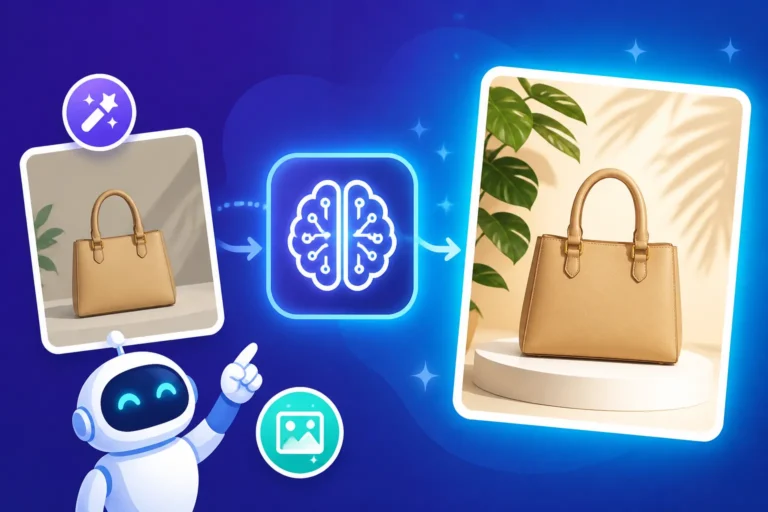
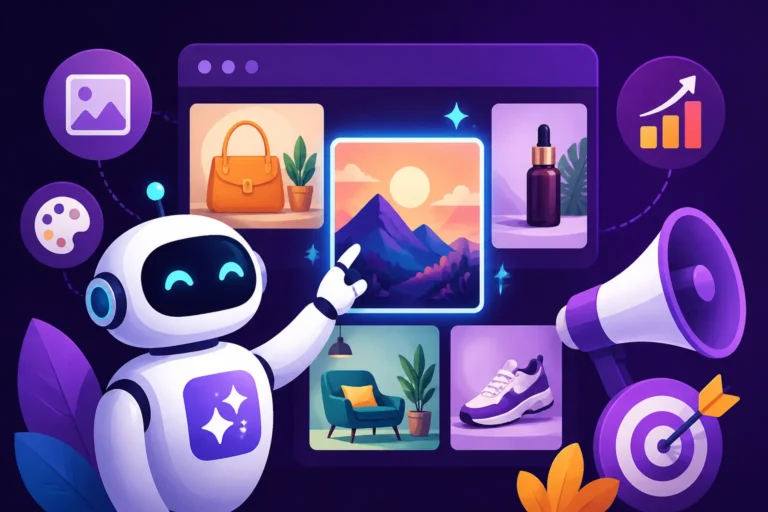
Product photography can be incredibly expensive and time-consuming, requiring studios, models, props, and skilled photographers. This is where AI image generators shine, particularly for e-commerce businesses or anyone selling physical products. You can generate high-quality product images, often with various backgrounds, lighting conditions, and even different product variations, simply by describing what you need. Imagine showcasing a new line of artisanal soaps in a spa-like setting, or a rugged outdoor gear collection against a stunning mountain backdrop – all without leaving your desk or spending a fortune.
Beyond just static product shots, AI can create realistic product mockups. If you’re selling t-shirts, mugs, or digital prints, you can generate images of your designs applied to various items, shown in different environments, or worn by diverse models. This not only makes your listings more attractive but also helps customers visualize the product in real-world scenarios. It’s an absolute game-changer for showcasing your offerings professionally and efficiently. Want to learn more? Explore How to Use AI Image Generators for Product Photography.
The ability to produce a vast array of unique product visuals quickly means you can constantly refresh your online store, adapt to seasonal trends, and even A/B test different visual presentations to see what resonates most with your target audience. This agility is invaluable in the fast-paced world of online retail.
Ad Creatives and Campaign Visuals
Effective advertising campaigns live and die by their creatives. A compelling image can grab attention, communicate a message, and drive action. However, constantly generating fresh and engaging ad creatives for various platforms and audience segments can be a massive undertaking. AI image generators automate much of this process, allowing marketing teams to produce a diverse range of high-quality visuals with unprecedented speed. Whether you need a dynamic banner ad for a digital campaign or a striking image for a print brochure, AI can deliver.
You can experiment with different styles, themes, and emotional appeals without incurring additional design costs. For instance, you could generate five different versions of an ad for a new coffee blend: one focusing on coziness, another on energy, a third on ethical sourcing, and so on. This rapid prototyping allows marketers to quickly identify which visual concepts perform best and iterate on them. This significantly reduces the time from concept to execution, a massive advantage in competitive markets. Dive into How to Use AI Image Generators for Ad Creatives to optimize your campaigns.
Furthermore, AI tools can help maintain brand consistency across all campaign touchpoints. By feeding the AI specific style guides or existing brand assets, you can ensure that all generated images adhere to your brand's visual identity, reinforcing recognition and trust with your audience. This capability ensures your brand message remains unified and professional, even when generating hundreds of unique visual assets.
Website and Landing Page Design Elements
A visually appealing website or landing page is crucial for user engagement and conversion. Generic visuals can make a site feel uninspired and untrustworthy. AI image generators empower businesses to create custom, high-quality design elements for every part of their digital presence. From hero images that immediately capture attention, to background textures, icons, and illustrations that enhance the user experience, AI can provide exactly what's needed.
Imagine designing a landing page for a new fintech product. Instead of relying on stock photos of generic businesspeople, you can generate abstract, futuristic visuals that perfectly encapsulate the innovative nature of your offering. This bespoke imagery makes your website feel unique and authoritative, helping you stand out from competitors. It also ensures that your visual identity is deeply integrated into your brand storytelling.
This flexibility extends to iterative design and A/B testing, similar to ad creatives. You can quickly generate multiple versions of a hero image or call-to-action button, test their impact on user behavior, and then refine your design based on real data. This agile approach to web design can lead to significantly improved conversion rates and a more effective online presence overall.
Enhancing Personal Projects and Hobbies
AI image generators aren't just for professionals or businesses; they're also an incredible resource for personal creativity, hobbies, and even crafting unique gifts. The barriers to artistic creation have been dramatically lowered, allowing anyone to bring their wildest ideas to life.
Custom Artwork and Wall Decor
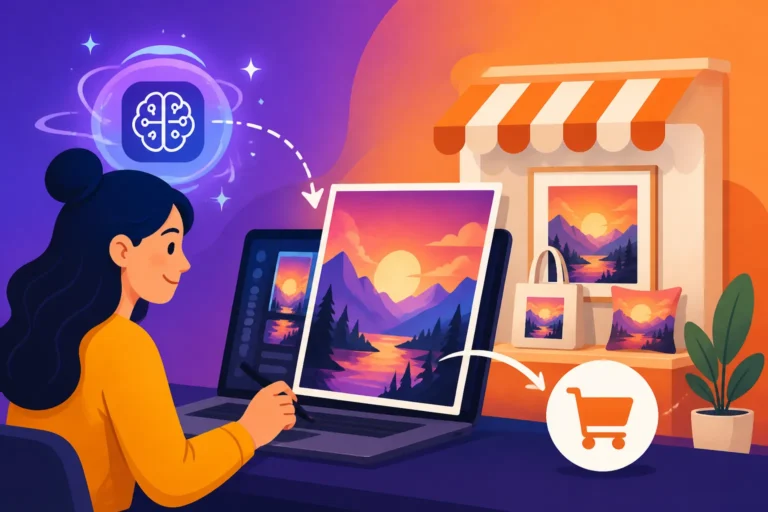
Have you ever wanted a specific piece of art for your home but couldn't find exactly what you envisioned in stores or galleries? Or perhaps you have an empty wall that's just begging for something truly unique. AI image generators can turn your abstract ideas into tangible artwork. Describe the style, subject, color palette, and mood you're looking for – whether it's a "surreal landscape with floating islands in warm sunset tones" or a "minimalist abstract piece in geometric shapes with pastel colors" – and watch it materialize.
You can then print these creations on canvas, fine art paper, or even as metal prints to adorn your walls with truly personalized decor that no one else has. This is especially rewarding for those who appreciate art but don't have the traditional artistic skills themselves. It opens up a whole new world of home decoration possibilities, allowing you to match artwork perfectly to your interior design scheme or express your individual taste without compromise. Imagine creating a series of prints that tell a personal story or evoke cherished memories, all generated by your own prompts.
This is also a fantastic way to experiment with different art styles without committing to a single one. Want to see what your living room would look like with a futuristic cyberpunk painting versus a classical impressionist scene? Generate both and compare! It's a playful yet powerful way to explore aesthetic preferences and personalize your living space in unprecedented ways.
Personalized Gifts and Merchandise
Finding truly unique and personal gifts can be a challenge. Mass-produced items often lack that special touch, and custom-made gifts can be expensive or require specific artistic talent. AI image generators offer a brilliant solution for crafting one-of-a-kind presents and merchandise. Think about creating a custom illustration of a friend's pet in a whimsical, storybook style, or designing a unique pattern for a family reunion t-shirt.
You can generate designs for custom mugs, phone cases, greeting cards, calendars, or even personalized puzzles. The possibilities are vast. For instance, if your niece loves unicorns and space, you could generate an image of a unicorn galloping across a nebula-filled galaxy, then have it printed on a blanket or a poster for her room. These aren't just gifts; they're expressions of thoughtfulness and creativity, made even more special because they’re truly tailored to the recipient's interests.
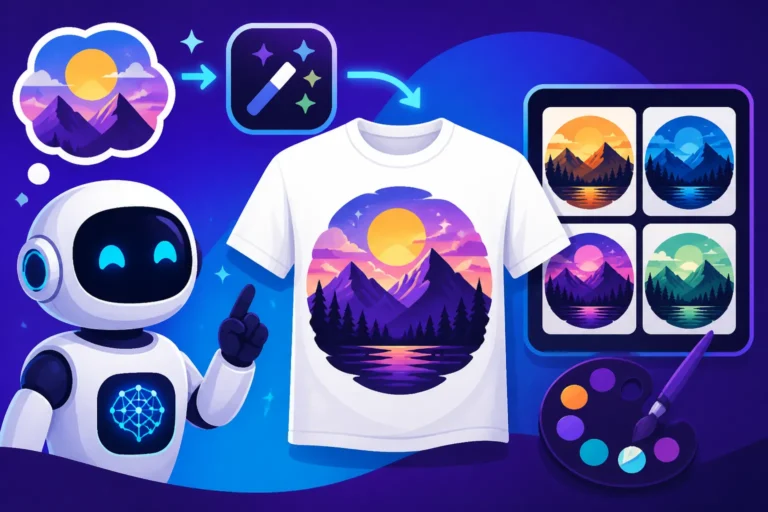
For those interested in print-on-demand businesses, AI is a goldmine. You can rapidly generate hundreds of unique designs for t-shirts, tote bags, or stickers, test which ones resonate, and then only produce them when an order comes in. This minimizes risk and maximizes creative output, allowing hobbyists to potentially turn their passion into a profitable side hustle. The creative freedom here is limitless, allowing you to explore niche markets or cater to very specific tastes.
Storytelling and Character Design
Writers, role-playing game enthusiasts, and aspiring comic artists often struggle with visualizing their characters, settings, and key moments. AI image generators can act as a powerful visual brainstorming tool, helping to solidify concepts and bring narratives to life before a single line of traditional art is drawn. Describe your protagonist, their outfit, their expression, and the environment they're in, and get instant visual feedback.
Imagine a fantasy author generating multiple images of their main character in different poses, emotional states, or exploring various fantastical landscapes. This not only inspires the writing process but also helps maintain consistency in character appearance and world-building. For a deeper dive into creating consistent visuals, exploring resources on How to Prompt for Consistent Characters can be incredibly helpful.
This also extends to creating visual mood boards for stories, designing concept art for personal game projects, or even generating illustrations for children’s stories. The ability to quickly iterate on designs and see your imaginative worlds take shape visually is incredibly motivating and can significantly enhance the creative process for any storyteller. It's like having a visual development team at your beck and call, ready to render your wildest ideas.
Specialized Art and Design Applications
Beyond general use cases, AI image generators are proving to be invaluable tools in more specialized artistic and design fields, offering new avenues for creation and efficiency for professionals and serious hobbyists alike.
Logos and Branding Elements
Creating a professional, memorable logo is foundational for any business or personal brand. Traditionally, this involves either hiring a graphic designer (which can be costly) or using generic templates that lack originality. AI image generators are revolutionizing logo design by allowing users to generate a multitude of unique concepts based on simple text prompts. You can describe your brand's essence, colors, style preferences, and watch as the AI presents various emblem, wordmark, or illustrative logo options.
While AI-generated logos might still require some refinement in a vector editing program like Adobe Illustrator for commercial use (especially for scalability and precise typography), they provide an incredible starting point. The ability to rapidly prototype dozens of distinct logo ideas saves immense time and creative effort in the initial brainstorming phase. For anyone looking to design unique branding, understanding How to Use AI Image Generators for Logos is essential. You can generate icons, patterns, and even full brand kits that maintain a cohesive visual identity, all tailored to your specific vision.
This means a small startup can access sophisticated design options that were once reserved for larger corporations. They can explore different brand personalities – from minimalist and modern to playful and whimsical – through visual concepts before committing to a final design. Tools like Ideogram are particularly adept at incorporating text, making them useful for logo variations and wordmarks.
Illustrations for Books and Comics
Authors, indie publishers, and comic creators often face significant hurdles when it comes to illustrating their work. Hiring an illustrator can be cost-prohibitive, and doing it yourself requires considerable artistic skill and time. AI image generators offer an exciting alternative, enabling creators to generate diverse illustrations for their books, graphic novels, or webcomics. You can describe scenes, characters, and stylistic choices, producing visual assets that complement your narrative.
Imagine an author of a children's book generating charming, consistent illustrations of their main characters throughout various adventures. Or a graphic novel creator using AI to quickly visualize different panel compositions and character expressions before committing to detailed line art. While current AI models may not perfectly mimic a human artist's consistent style across an entire book without significant effort and prompting techniques, they are phenomenal for concept art, visual development, and generating background elements.
The technology is continually improving, making it easier to maintain consistency across a series of images. This means that creators can spend more time on their storytelling and less time (or money) on the intensive visual production process, ultimately lowering the barrier to entry for self-publishing illustrated works.
Concept Art and Game Development Assets
In industries like video game development, film production, and animation, concept art is a crucial first step for visualizing worlds, characters, creatures, and props. This process traditionally involves highly skilled concept artists who can translate abstract ideas into compelling visuals. AI image generators are becoming indispensable tools for concept artists and game developers, significantly accelerating the ideation phase.
A game designer can quickly generate hundreds of variations of a fantasy creature, an alien landscape, or a futuristic weapon simply by typing descriptions. This allows for rapid exploration of different aesthetics and themes, providing a rich visual library to draw from before any detailed 3D modeling or painting begins. It helps teams converge on a visual style much faster. Whether you're working on character designs or environmental concepts, AI is a powerful assistant.
Furthermore, AI can generate textures, skyboxes, and other environmental assets that can be incorporated directly into game engines or used as references for artists. This dramatically reduces the time and resources required for asset creation, allowing smaller studios or indie developers to produce visually rich games that might otherwise be beyond their budget. The ability to generate complex, detailed visuals on demand is truly transformative for these creative industries.
Overcoming Common Challenges and Best Practices
While AI image generators are incredibly powerful, they aren't magic wands (yet!). Getting consistently good results and navigating the practicalities requires a bit of understanding and some best practices.
Mastering the Art of Prompt Engineering
The quality of your AI-generated image is almost entirely dependent on the quality of your prompt. This is often the biggest hurdle for newcomers. You can't just type "cool image" and expect a masterpiece. Prompt engineering is the art and science of crafting detailed, descriptive instructions that guide the AI to produce the desired visual. It involves being specific about the subject, style, lighting, composition, colors, mood, and even camera angles. It's less like giving an order and more like collaborating with a highly literal, yet incredibly skilled, artist.
Many users get frustrated when their first few attempts yield bizarre or low-quality results. The key is iteration and experimentation. Start with a clear subject, then add descriptive adjectives, specify an art style (e.g., "photorealistic," "watercolor," "anime"), and layer on details about lighting (e.g., "golden hour," "studio lighting," "dramatic shadows") and composition (e.g., "wide shot," "close-up," "from above"). Learning How to Write AI Image Prompts effectively will save you a lot of headache and vastly improve your output. Don't be afraid to experiment with negative prompts as well, telling the AI what you don't want to see.
It's also beneficial to study prompts used by others, especially in online communities for tools like Midjourney or Stable Diffusion. Reverse-engineering successful prompts can provide invaluable insights into how different elements contribute to the final image. Think of it as learning a new language – the language of AI image generation. The more you practice, the more fluent you become, and the more precise your creations will be.
Ensuring Commercial Viability and Rights
A common concern when using AI-generated images, especially for businesses or commercial projects, is copyright and commercial use rights. This area is still evolving legally, but general best practices have emerged. Most reputable AI image generator platforms, like Adobe Firefly, Midjourney (with a paid subscription), and DALL-E, offer commercial rights for images generated on their platforms, provided you adhere to their terms of service. Always, always check the specific platform's terms and conditions regarding commercial use. Some free tiers may have limitations or require attribution.
The question of who "owns" an AI-generated image is complex and varies by jurisdiction and platform policy. In the United States, the Copyright Office has generally stated that AI-generated images without significant human input are not copyrightable. However, images that are heavily edited or refined by a human after AI generation might qualify for copyright protection. This means if you're creating images for client work or products for sale, it's wise to consider the level of human modification you apply.
For maximum peace of mind, especially for critical commercial assets, some tools, like Adobe Firefly, offer IP indemnification, meaning Adobe will back you up if a copyright dispute arises from an image generated with their tool. This can be a huge relief for businesses concerned about legal ramifications. Being aware of these nuances and understanding the specific agreements with your chosen AI tool is crucial for safe and responsible commercial use. If commercial use is your main goal, knowing the Best AI Image Generator for Commercial Use is paramount.
Editing and Refining AI-Generated Images
While AI image generators are incredibly powerful, they don't always produce a perfect, ready-to-use image on the first try. Often, the output will be 90% there, but might have small imperfections – an extra finger, a slightly distorted face, or an object that isn't quite right. This is where traditional image editing skills come back into play, becoming a crucial complement to AI generation. Instead of starting from scratch, you're refining a strong baseline.
Tools like Photoshop, GIMP, or even simpler online editors can be used to fix these minor flaws. Techniques like inpainting (filling in a selected area with new content), outpainting (extending the image beyond its original borders), or simple touch-ups can elevate an AI-generated image from "good" to "great." For instance, you might use AI to generate a stunning landscape, then use Photoshop to add a specific element, refine a color gradient, or perfectly place text for an ad.
Furthermore, AI editing tools within platforms themselves are rapidly improving. Many generators now offer in-app editing features, allowing you to select specific parts of an image and re-prompt them, or use AI to remove backgrounds, change styles, or upscale images to higher resolutions. This blend of AI generation and human-guided refinement is often the sweet spot for achieving truly professional results. Don't let imperfect initial results discourage you; learn How to Fix Bad AI Image Results and turn them into exactly what you need.
The Future Landscape of AI Imagery
The world of AI image generation is evolving at a breakneck pace. What was cutting-edge yesterday is standard today, and tomorrow promises even more astounding capabilities. Staying informed about these developments is not just about curiosity; it's about understanding the trajectory of a technology that is fundamentally reshaping how we create and consume visuals.
Evolving Capabilities and New Frontiers
Just a few years ago, AI images were often blurry, abstract, or plagued with strange artifacts. Today, we're seeing photorealistic outputs that are indistinguishable from real photographs, sophisticated text rendering capabilities (thanks to tools like Ideogram), and highly customizable styles. The future holds even more exciting prospects. Imagine AI models that can generate entire video sequences from a single image or text prompt, or 3D models ready for animation. We're already seeing impressive advancements in generating coherent, long-form narratives through sequential images.
One of the biggest frontiers is greater user control and consistency. Current challenges include maintaining a character's appearance across multiple images or ensuring precise compositional elements. Future AI models will likely offer more granular control through advanced prompting techniques, specialized editing interfaces, and deeper integration with existing design software. We might also see more personalized AI models that learn your specific aesthetic preferences and generate images that perfectly align with your unique style, acting as a true creative partner. The race to develop the Best AI Image Generator Overall is constantly pushing boundaries.
Another significant area of growth will be in real-time generation and interactive design. Imagine an AI that generates images as you sketch, or one that instantly translates your rough wireframe into a fully rendered architectural visualization. The speed and interactivity will continue to improve, making AI an even more seamless part of the creative workflow.
Ethical Considerations and Responsible Use
With great power comes great responsibility, and AI image generation is no exception. As the technology becomes more sophisticated, so do the ethical considerations surrounding its use. Issues like deepfakes (realistic but fabricated images or videos), copyright infringement (especially when AI models are trained on copyrighted data), and the potential for misuse (e.g., generating harmful content) are serious concerns that demand ongoing attention.
Responsible use involves being mindful of the potential impact of AI-generated content. This means critically evaluating the source data for AI models, understanding where biases might exist, and ensuring that generated content is used ethically and transparently. For instance, if you're using an AI-generated image in a journalistic context, it's crucial to disclose that it's AI-generated to maintain trust and prevent misinformation.
Furthermore, the environmental impact of training and running large AI models is another area of ethical discussion. These models require significant computational power, which translates to energy consumption. As the technology advances, efforts are being made to develop more efficient algorithms and hardware to minimize this footprint. Engaging in open discussions about these ethical challenges and advocating for responsible AI development are vital for ensuring that this powerful technology benefits humanity.
Choosing the Right Tool for Your Creative Arsenal
With so many AI image generators on the market, each with its own strengths and weaknesses, it can feel a bit overwhelming trying to pick the "right" one. There's no single best tool for everyone; it truly depends on your specific needs, budget, and desired outcome. Think of it less as a one-size-fits-all solution and more like selecting the right paintbrush for a particular stroke.
Matching Tools to Specific Needs
Before diving in, consider what you primarily want to achieve.
- For photorealism and artistic quality: Tools like Midjourney are often lauded for their stunning, aesthetically pleasing, and often photorealistic outputs. If you're looking for high-end artistic imagery for concept art or unique wall decor, Midjourney might be your go-to. Exploring a Midjourney Review: Features, Pricing, and Quality can give you a deeper understanding.
- For specific text rendering and logos: Ideogram has made significant strides in generating accurate text within images, making it excellent for logos, posters, and social media graphics where typography is crucial.
- For commercial safety and integration with design workflows: Adobe Firefly, integrated into Adobe Creative Cloud, offers strong commercial indemnification and is ideal for designers and marketers already entrenched in the Adobe ecosystem. Take a look at an Adobe Firefly Review for Commercial Use if this aligns with your needs.
- For versatility and customizability (especially locally): Stable Diffusion offers incredible flexibility, particularly for those who are tech-savvy and want to run models locally or integrate them into complex workflows, allowing for fine-tuned control. For in-depth control and an open-source option, a Stable Diffusion Review: Free and Customizable is a must-read.
- For general purpose and ease of use: DALL-E (especially within ChatGPT) is incredibly user-friendly and good for a wide range of tasks, particularly if you're already using OpenAI's other tools. A DALL-E Review: Is It Worth It might help you decide.
- For game art and consistent character generation: Leonardo AI often gets high marks for its ability to produce consistent characters and assets for game development, with robust features for finetuning.
- For free options: Many platforms offer free tiers with varying limitations. Tools like Bing Image Creator (integrated with Microsoft Edge/Copilot) or Ideogram's free tier are excellent starting points for beginners or those with casual needs. For a comprehensive look at cost-free options, check out the Best Free AI Image Generators.
It’s often beneficial to try out several tools, especially those with free trials or generous free tiers, to see which interface and generative style best aligns with your personal workflow and artistic vision.
Exploring Free and Paid Options
The financial commitment is a major factor for many.
- Free Tiers/Tools: These are fantastic for getting started, experimenting, and fulfilling casual needs. Bing Image Creator, Ideogram's free tier, and sometimes limited access to Playground AI or Krea AI can provide a taste of what's possible without spending a dime. However, free versions often come with limitations like lower resolution outputs, watermarks, slower generation speeds, daily credit limits, or restricted commercial rights.
- Paid Subscriptions: For serious creators, businesses, or anyone needing high-volume, high-quality output with commercial rights, a paid subscription is usually necessary. Plans can range from $10-$60+ per month, offering benefits like faster generation, unlimited images, higher resolutions, advanced features (like private generation, more control parameters), and crucial commercial licenses. Comparing plans, such as understanding Midjourney Pricing and Plans Explained or DALL-E Pricing and Plans Explained, is vital.
The best approach might even involve a hybrid model: using a free tool for quick ideas and basic needs, and then investing in a paid subscription for a more powerful tool when precision, volume, or commercial viability become paramount. Don’t be afraid to mix and match; sometimes, the "best" solution is a combination of different tools that excel at different aspects of image generation.
Disclaimer
The information provided in this article is for general informational purposes only and does not constitute professional advice. While we strive to keep the information up-to-date and correct, AI technology, its capabilities, and its legal implications (especially concerning copyright and commercial use) are rapidly evolving. Always consult the specific terms and conditions of any AI image generation platform you choose to use and consider seeking legal counsel for specific commercial applications.