Common AI Image Prompt Mistakes
Vague wording, keyword stuffing, and ignored negative prompts cause poor results in artificial intelligence image generation.

Vague wording, keyword stuffing, and ignored negative prompts cause poor results in artificial intelligence image generation.
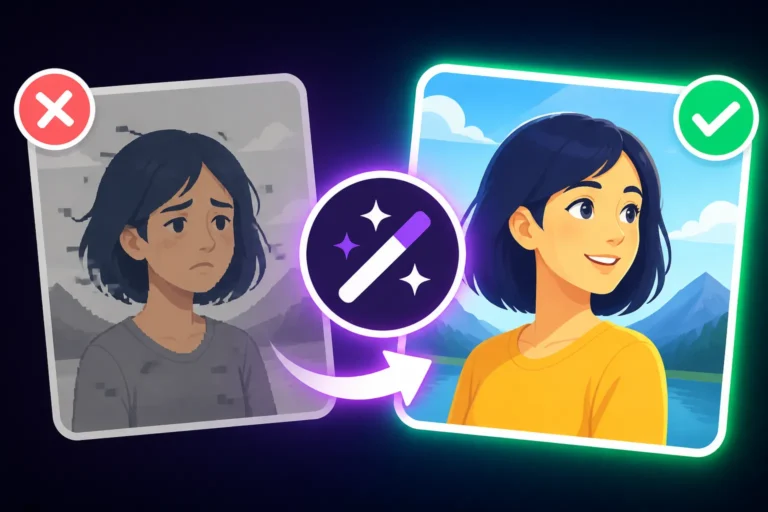
Effective prompt engineering strategies, negative prompts, aspect ratios, and inpainting techniques fix bad AI image results.

Photorealism prompting requires technical camera terminology, precise lighting descriptions, and specific textural details to eliminate artificial AI artifacts.
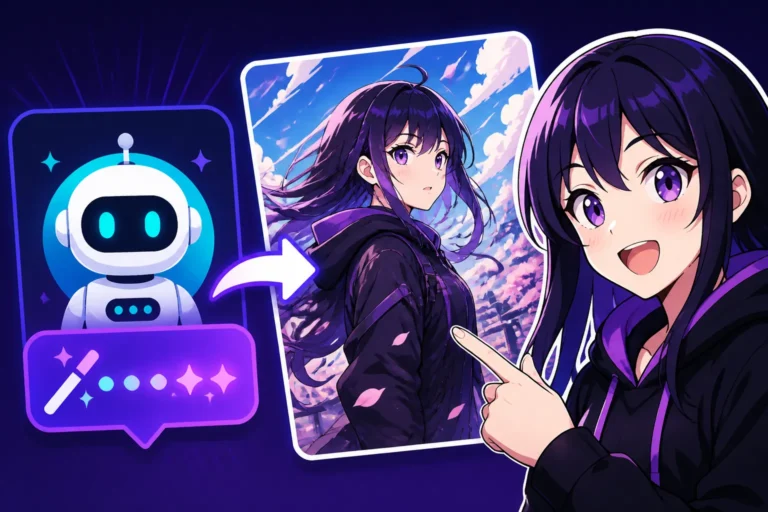
Anime styles, character features, and scene composition techniques help you craft effective artificial intelligence prompts.
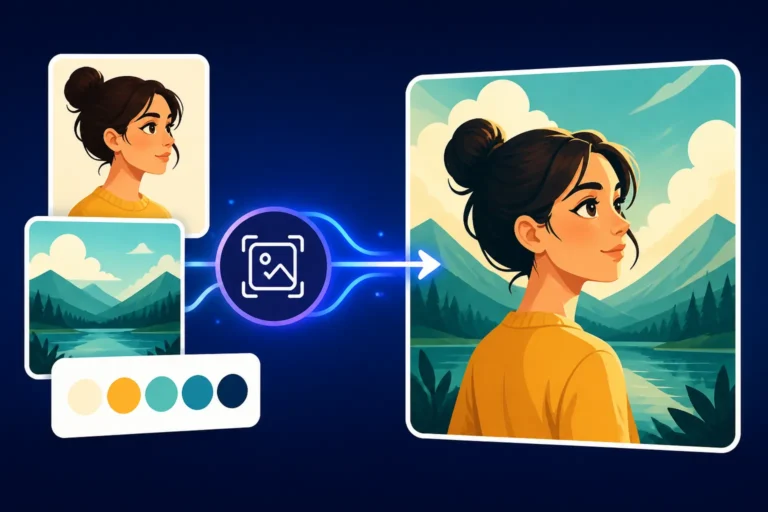
Reference images help AI generators overcome text prompt limits by guiding precise aesthetics, composition, and character styles.

Prompting strategies for AI image generators explain how colors, lighting, and composition create different emotional moods.

Mastering camera angles in prompts helps AI image generators capture specific perspectives, emotional impacts, and dramatic visual styles.

Prompt composition controls improve AI images by using specific subject placement, camera angles, aspect ratios, and negative prompts.

Specific lighting terms, directional sources, and color temperature improve depth and realism in AI image generation prompts.

Prompt structure separates prompts into subject, style, and lighting layers to control AI image generation results deliberately.