DALL-E Review: Is It Worth It
Let's be honest, trying to conjure up the perfect visual for your blog, social media, or even just a personal project can feel like a Herculean task. You've got a fantastic idea in your head, but translating that into an actual image often means hours poring over stock photo sites, battling with complex design software, or even shelling out big bucks for a graphic designer. It’s frustrating when your vision doesn't quite come to life, or worse, when you simply don't have the time or skills to make it happen. This is where AI image generators like DALL-E step in, promising to turn your wildest descriptions into stunning visuals. But with so many tools out there, the big question is: is DALL-E truly worth your time and effort in today's fast-evolving landscape? This comprehensive guide will dive deep into DALL-E's capabilities, its evolution, and whether it aligns with your creative or professional needs.
What Exactly Is DALL-E and How Does It Work?
For many of us who remember the early days of AI, the idea of a computer creating original, complex images from a simple text description felt like something straight out of science fiction. Then came DALL-E, and it completely shifted our perception of what was possible. It's not just a fancy Photoshop filter; it's an artificial intelligence model developed by OpenAI that generates images from natural language descriptions, known as "prompts." You type what you want to see, and DALL-E does its best to make it a reality.
The Core Concept: Text-to-Image Generation
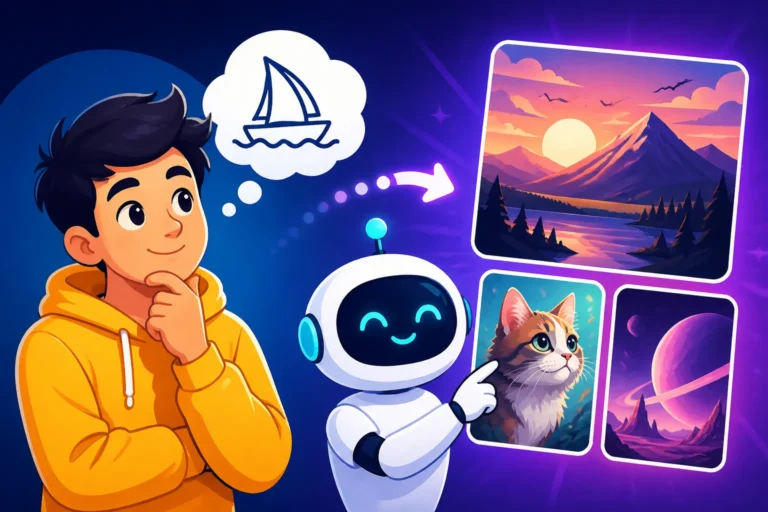
At its heart, DALL-E is a text-to-image generator. Imagine you have an incredibly skilled artist who understands every nuance of your language, every adjective, every artistic style you describe. DALL-E aims to be that artist. It takes your textual input and uses its vast training data – a colossal collection of images and their corresponding text descriptions – to understand the relationships between words and visual concepts. When you ask for "a fluffy cat wearing a tiny top hat riding a skateboard down a rainbow," DALL-E doesn't just pull up existing images of cats, top hats, skateboards, and rainbows. Instead, it synthesizes these elements into a novel, unique composition that has never existed before.
This ability to fuse disparate concepts into coherent, imaginative visuals is what truly sets it apart. It’s not just about generating realistic images; it's about generating creative images that often surprise and delight. This process makes it an incredibly powerful tool for brainstorming, concept art, and rapid prototyping, allowing creators to explore visual ideas at a speed previously unimaginable. The beauty of it is that you don't need any artistic skill yourself; your imagination and ability to describe are your only limits.
How DALL-E Has Evolved from DALL-E 2 to DALL-E 3/GPT Image
The journey of DALL-E has been fascinating to watch, particularly its evolution from DALL-E 2 to its current iteration, DALL-E 3. When DALL-E 2 was released, it was groundbreaking. It could generate incredible images, but users often found themselves struggling with prompt engineering, trying to coax the AI into understanding exactly what they envisioned. Small tweaks in wording could lead to vastly different, sometimes nonsensical, results. It required a certain knack for "AI-speak" to get good outcomes.
Then came DALL-E 3, a significant leap forward. One of the most impactful changes was its much deeper understanding of prompts. It’s far more adept at interpreting complex, nuanced descriptions, and more importantly, it excels at accurately rendering text within images – a notorious weak point for most AI image generators, including DALL-E 2. What truly made DALL-E 3 a game-changer for many was its tight integration with conversational AI models, specifically ChatGPT. Instead of a standalone interface where you type a single prompt and hope for the best, DALL-E 3 can be accessed directly within ChatGPT. This means you can have a natural language conversation with the AI, iteratively refining your ideas, asking it to make adjustments, or even asking it to come up with prompt ideas for you. This conversational aspect has drastically lowered the barrier to entry, making it more accessible and intuitive for a wider audience. This integration also means that what you might refer to as "GPT Image" is essentially DALL-E 3 working its magic behind the scenes within the ChatGPT interface. If you're wondering, "DALL-E in ChatGPT: How Good Is It, " it's safe to say it's dramatically improved the user experience.
The Technology Under the Hood: Simplified Explanation
Without getting too bogged down in the deep technical jargon, DALL-E operates on what's called a diffusion model. Think of it like this: the AI starts with a canvas of pure static noise, like an old TV screen with no signal. Then, through a series of steps, it gradually "denoises" that static, slowly transforming it into a recognizable image based on the prompt you provided. It's almost like sculpting an image out of raw digital clay.
This process is incredibly complex, involving billions of parameters that the model learned from analyzing countless images and their descriptions during its training phase. It understands not just what individual objects look like, but also how they interact, how light falls on them, different artistic styles, and even abstract concepts. The magic really happens in its ability to associate words with latent visual representations and then generate pixels that correspond to those associations. This sophisticated understanding allows DALL-E to generate diverse and high-quality images that go beyond mere collage. It's constantly learning, too, with each iteration becoming more powerful and nuanced, pushing the boundaries of what these creative tools can achieve.
Key Features and Capabilities of DALL-E
DALL-E isn't just a one-trick pony for basic image generation. Over its development, especially with DALL-E 3, it has accumulated a suite of features designed to enhance creative control and user experience. Understanding these capabilities is crucial to determining if it’s the right fit for your projects, whether you're a casual hobbyist or a professional looking to streamline your workflow.
Image Generation from Text Prompts
The bread and butter of DALL-E is, undoubtedly, its ability to generate images from text prompts. This foundational feature is what sparked the AI art revolution, allowing anyone with an idea to instantly create visual content. The process is straightforward: you type a description of what you want to see, and DALL-E renders it. This might sound simple, but the depth of detail and creativity it can achieve is often astonishing. From hyper-realistic photographs of everyday scenes to fantastical, surreal landscapes, DALL-E handles a vast range of styles and subjects.
For example, you could prompt "a vintage robot holding a bouquet of daisies in a sunlit meadow, digital painting, golden hour" and get genuinely beautiful results. The system is designed to understand not just the nouns and verbs, but also the adjectives, stylistic directives, and atmospheric details that make an image truly compelling. This makes it an incredibly powerful tool for quick concept visualization, creating unique illustrations for articles, or simply exploring creative ideas without needing any traditional artistic skills. Mastering how to write effective prompts can unlock its full potential, and there are many resources like a dedicated "DALL-E Prompt Guide" that can help you get started.
Editing and Inpainting Functionality
While the initial text-to-image generation is impressive, DALL-E also offers features that allow for direct manipulation of existing images, or parts of them. This is where "inpainting" comes into play. Imagine you've generated an image, and there's a small detail you want to change, or perhaps an element you wish was different. With inpainting, you can "erase" a section of the image and then describe what you want to fill that empty space with. DALL-E will then intelligently generate new content that blends seamlessly with the surrounding image.
This feature is incredibly useful for refining outputs, correcting minor imperfections, or even adding entirely new elements to a scene. For instance, if your generated image of a dog has a generic background, you could use inpainting to replace it with "a bustling city street at night" or "a serene forest path." The AI works to match the lighting, style, and perspective, making the additions look natural. This provides a significant layer of creative control beyond just the initial prompt, saving you from having to regenerate an entire image if only a small part needs adjustment. While DALL-E 3's primary interaction is through conversational refinement, some prior versions and integrations offered more direct inpainting tools. The conversational approach in DALL-E 3 with ChatGPT often allows you to achieve similar editing results by describing the changes you want.
Style and Artistic Versatility
One of DALL-E's most celebrated strengths is its remarkable stylistic versatility. It's not limited to just one aesthetic; it can generate images in an incredibly broad spectrum of artistic styles, from photorealism to impressionism, cyberpunk, anime, watercolor, pixel art, and everything in between. This means it can cater to a wide array of visual needs, whether you're designing a modern UI element or illustrating a children's book.
Users can specify styles directly in their prompts, like "a bustling marketplace in the style of Van Gogh" or "a futuristic cityscape, cinematic, highly detailed." DALL-E's ability to interpret and apply these styles accurately is a testament to its extensive training data. This flexibility is a huge advantage for creators who need diverse visual content for different platforms or projects. For bloggers needing a consistent aesthetic or marketers developing varied ad creatives, DALL-E's artistic range means they can often stay within one tool to meet many different visual demands, saving time and resources.
Integration with ChatGPT
The integration of DALL-E 3 with ChatGPT has transformed the user experience, making it far more intuitive and powerful. Instead of a traditional standalone interface, you interact with DALL-E through a conversational chat. This means you don't just type a prompt; you can discuss your ideas, refine concepts, and iterate on images in a natural, back-and-forth dialogue with the AI. For instance, you could start with a broad prompt like "create an image of a mystical forest." Then, you could follow up with "Can you add a glowing ancient tree in the center?" and "Make the lighting more ethereal, like twilight."
This conversational approach is particularly beneficial for those who struggle with crafting perfect prompts right out of the gate. ChatGPT can even help you formulate better prompts by asking clarifying questions or suggesting additions. It acts like a creative assistant, guiding you through the image generation process. This seamless integration greatly enhances accessibility for beginners and offers unparalleled creative flow for experienced users, making the entire experience feel less like using a rigid tool and more like collaborating with a creative partner. It's a significant leap in user-friendliness compared to earlier versions and other text-to-image models, which often require precise and complex prompt engineering.
The User Experience: Getting Started with DALL-E
Diving into the world of AI image generation can feel a bit daunting at first, especially with all the hype and technical jargon floating around. But with DALL-E, particularly its latest iterations, the user experience has been refined to be surprisingly accessible. It’s designed to allow you to jump in and start creating, even if you’ve never touched an AI tool before.
Interface and Accessibility
The primary way most users interact with DALL-E 3 today is through its integration with ChatGPT Plus or Enterprise subscriptions. This means the interface isn't a complex standalone application but rather the familiar chat window of ChatGPT. For anyone who has used a chatbot, this is a huge win for accessibility. You simply type your request in natural language, just as you would talk to a person. There are no intricate buttons, sliders, or settings panels to navigate right away.
This design choice significantly lowers the barrier to entry for beginners. You don't need to learn a new UI; you're just chatting. ChatGPT then translates your conversational input into a sophisticated prompt for DALL-E, generates the images, and presents them directly in your chat thread. This seamless flow means you can go from an idea to a generated image in mere seconds. While some dedicated AI art platforms can be overwhelming with their myriad options, DALL-E's integration prioritizes simplicity and a natural interaction, making it one of the most user-friendly AI image generators available.
Crafting Effective Prompts
While the conversational interface simplifies things, the core of getting great results from DALL-E still lies in crafting effective prompts. Think of it as giving directions to a very talented but literal artist. The more clear, descriptive, and specific your instructions, the better the outcome will be. A vague prompt like "dog" will give you a generic dog. A more effective prompt like "a golden retriever puppy wearing a tiny blue bandana, sitting in a field of sunflowers, dappled sunlight, photorealistic" will yield a much more compelling and specific image.
It's about breaking down your vision into key components:
- Subject: What is the main focus? (e.g., "a medieval knight")
- Action/Setting: What is it doing or where is it? (e.g., "riding a dragon over a stormy castle")
- Style/Atmosphere: What artistic style or mood? (e.g., "epic fantasy art, dramatic lighting, highly detailed")
- Details: Specific elements you want included (e.g., "glowing eyes, scales shimmering with arcane energy").
Don't be afraid to experiment with adjectives, emotions, lighting conditions, and camera angles. ChatGPT, in its role as your prompt assistant, can often suggest ways to enrich your prompts if your initial attempts are too basic. Learning how to construct powerful prompts is a skill in itself, often referred to as "How to Write AI Image Prompts" or prompt engineering, but DALL-E's forgiving nature and ChatGPT's assistance make it a less intimidating process than with some other tools.
Iteration and Refinement Process
One of the most powerful aspects of using DALL-E through ChatGPT is the iterative refinement process. Rarely will your first prompt yield the perfect image. But that's okay, because you don't have to start from scratch. Once DALL-E presents its initial generation, you can provide feedback and ask for specific changes directly in the chat. For instance, if you generated "a futuristic car driving through a neon city," and you see the cars are red, you can say, "Can you make the cars blue instead?" or "Add more rain to the scene," or "Try a different perspective, maybe from above."
This conversational back-and-forth allows you to fine-tune the image to your exact specifications. You can ask for stylistic changes, color adjustments, additional elements, or even request completely new variations based on a particular image you liked from the previous batch. This iterative dialogue prevents the frustration of constantly rewriting complex prompts and instead lets you gradually sculpt your vision. It's like having a creative director who can instantly manifest your feedback into visual form, making the journey from concept to final image far more fluid and enjoyable. This process is crucial for achieving high-quality results, and it's a major reason why DALL-E 3 is so much more user-friendly than its predecessors.
DALL-E's Strengths: Why Creators Love It
There's a reason DALL-E has captured the imagination of so many creators, from hobbyists to professionals. It brings a unique set of advantages to the table that make it a compelling choice for visual content generation. When considering "Is it worth it," understanding these strengths is paramount, as they often directly address common pain points in creative workflows.
Ease of Use for Beginners
One of DALL-E's most significant strengths, especially in its DALL-E 3 iteration, is its incredible ease of use for beginners. Unlike some other AI image generators that might require specific syntax, understanding of parameters, or familiarity with complex interfaces, DALL-E primarily operates through natural language. If you can type a sentence describing what you want, you can use DALL-E. Its integration with conversational AI models like ChatGPT means you can chat your way to an image.
This approach eliminates the steep learning curve often associated with advanced creative software. New users don't need to know about "seeds," "CFG scales," or "sampling methods." They just need to articulate their vision. This accessibility makes it an ideal tool for anyone just dipping their toes into AI art, or for those who simply need quick, high-quality visuals without investing hours in learning a new skill. For bloggers, social media managers, or small business owners, this means more time focusing on their core tasks and less time struggling with graphic design.
High-Quality and Creative Outputs
When it comes to the actual images produced, DALL-E consistently delivers impressive quality and often, truly creative outputs. The models are trained on vast datasets, allowing them to understand and synthesize concepts in a way that often goes beyond mere literal interpretation. The images often possess a certain artistic flair, with good composition, lighting, and detail, even from relatively simple prompts. You'll frequently find yourself pleasantly surprised by the imaginative ways DALL-E interprets your requests.
For example, asking for "a whimsical treehouse in a magical forest" won't just give you a generic treehouse; it will often generate something with glowing elements, unique architectural features, and an enchanting atmosphere. The ability to generate images that feel novel and imaginative, rather than just technically proficient, is a huge draw for artists and marketers alike. This high baseline quality means less time spent iterating and more time selecting fantastic visuals that truly stand out. If you're comparing it to other tools, you'll find it holds its own in terms of aesthetic appeal. When looking at something like "Best AI Image Generator for Quality", DALL-E consistently ranks high.
Content Policy and Safety Features
OpenAI has put a significant emphasis on responsible AI development, and this extends to DALL-E's content policy and safety features. They have implemented robust safeguards to prevent the generation of harmful, inappropriate, or biased content. This includes prohibiting images depicting violence, hate speech, explicit sexual content, or anything that could spread misinformation. While no system is perfect, DALL-E's filters are generally effective in steering users away from generating problematic visuals.
For commercial users, or anyone concerned about the ethical implications of AI-generated content, these safety measures offer a level of reassurance. It means you're less likely to accidentally generate something that could be controversial or damaging to your brand. This focus on ethical guidelines helps to foster a safer and more positive creative environment, distinguishing DALL-E as a more controlled and reliable option, especially when compared to some open-source models that might have fewer restrictions.
Seamless Integration within the OpenAI Ecosystem
As mentioned, a major strength of DALL-E 3 is its seamless integration into the broader OpenAI ecosystem, particularly with ChatGPT. This isn't just about the interface; it's about the synergistic power of combining a powerful language model with an advanced image generator. This integration means your AI assistant isn't just generating text; it's now a full-fledged creative partner capable of producing both written content and accompanying visuals within the same conversation.
Imagine you're writing a blog post about sustainable living. You can ask ChatGPT to generate text for a section, then immediately follow up with "Now, create a vibrant image of a lush community garden for this paragraph." The context from your conversation helps DALL-E understand your needs better, leading to more relevant and integrated visuals. This unified workflow is incredibly efficient for content creators, marketers, and anyone who needs to produce both textual and visual assets. It streamlines the creative process, eliminates the need to jump between different tools, and makes OpenAI's offerings a comprehensive solution for digital content creation. This integration highlights why some consider "DALL-E in ChatGPT: How Good Is It" to be a truly transformative feature.
Understanding DALL-E's Limitations and Challenges
No tool, no matter how advanced, is without its drawbacks, and DALL-E is no exception. While its strengths are numerous, it’s important to have a realistic understanding of its limitations and the challenges users might face. A balanced perspective is crucial when deciding if DALL-E is truly "worth it" for your specific needs.
Occasional Inconsistencies and Artifacts
Despite its impressive capabilities, DALL-E can sometimes produce images with inconsistencies or minor artifacts. While it's generally good at coherence, you might occasionally encounter strange anatomical features, especially with complex poses or a large number of characters. For example, a person might have an extra finger, or an animal's limb might bend in an unnatural way. These "artifacts" are often subtle, but they can be jarring and require regeneration or manual editing to fix.
Similarly, while DALL-E 3 is a leap forward in understanding prompts, it doesn't always perfectly interpret every single nuance. A specific detail you emphasize might be overlooked, or an element might appear slightly different than intended. This means that while the overall image quality is high, achieving absolute pixel-perfect precision can sometimes be a challenge, requiring multiple attempts or careful prompt refinement. It's a powerful tool, but not a magic wand that instantly reads your mind with 100% accuracy.
Control Over Specific Details
One area where DALL-E, and many other generalized AI image generators, can struggle is with providing granular control over extremely specific details. If you need a character's hair to be a very particular shade of auburn, or a building to have exactly three windows on the second floor and an archway on the ground, DALL-E might not deliver that level of precise control consistently. You can describe these details in your prompt, and it will try its best, but sometimes it will take liberties or miss the mark.
This can be a source of frustration for designers or artists who have a very exact vision they need to replicate. While you can iterate and refine through conversational prompts in ChatGPT, there are limits to how much you can dictate every single pixel. Tools like Stable Diffusion, especially with various checkpoints and extensions, often offer more fine-grained control for experienced users, but they come with a steeper learning curve. DALL-E prioritizes ease of use and broad creative output over absolute microscopic control, which is a trade-off worth considering.
Pricing and Credit System Considerations
While DALL-E itself is integrated into ChatGPT Plus, which is a monthly subscription, the underlying DALL-E 3 model consumes "credits" for image generation. Although OpenAI has been generous with credits in ChatGPT Plus, typically allowing a significant number of generations daily before hitting a temporary cap, for heavy users or those on specific plans, managing these credits can become a consideration. If you're generating hundreds of images a day, you might encounter limits or need to understand how the credit system works.
For individuals or businesses with tight budgets, understanding the "DALL-E Pricing and Plans Explained" becomes crucial. While the value is often excellent for casual to moderate users within a ChatGPT Plus subscription, professional agencies or those requiring very high volumes of unique images might need to evaluate the cost-effectiveness against other tools that offer unlimited generation at higher tiers or different pricing models. It’s important to weigh your expected usage against the subscription cost to ensure it aligns with your financial planning.
Creative Blocks and Prompt Engineering Hurdles
Even with the ease of use offered by DALL-E 3 and ChatGPT, users can still run into creative blocks or prompt engineering hurdles. Sometimes, you know what you don't want, but struggle to articulate what you do want in a way the AI understands. This isn't a limitation of DALL-E itself, but rather a challenge of human-AI communication. When an image doesn't turn out as expected, it's often because the prompt wasn't specific enough, or perhaps the description was ambiguous.
Learning to break down complex ideas into actionable AI prompts is a skill that develops over time. While ChatGPT can help, there are moments when even the best conversational AI can't quite grasp the subtle nuances of your artistic vision. This can lead to moments of frustration where you feel like you're "fighting" the AI to get the desired result. Exploring resources on "How to Write AI Image Prompts" and understanding concepts like negative prompting or prompt weighting can help overcome these hurdles, but they still represent a learning curve for some users.
Who Is DALL-E Best Suited For?
DALL-E, especially with its recent advancements, isn't a one-size-fits-all solution, but it excels in particular scenarios and for specific types of users. Understanding who benefits most from its capabilities can help you determine if it's the right AI image generator for your needs.
Casual Users and Hobbyists
For the casual user or hobbyist, DALL-E is an absolute dream come true. If you're someone who loves to experiment, create unique personal artwork, or just wants to visualize a silly idea without any artistic skill or expensive software, DALL-E is perfect. The low barrier to entry, thanks to its natural language interface through ChatGPT, means you can start creating impressive visuals within minutes.
Imagine wanting to illustrate a personal story, design a custom greeting card for a friend, or simply explore fantastical concepts like "a cyberpunk unicorn drinking coffee in a rainy alley." DALL-E makes these creative endeavors accessible and fun. It's an excellent tool for sparking imagination, providing endless hours of creative exploration, and generating unique content for personal projects without any financial burden beyond a standard ChatGPT Plus subscription. The joy of seeing your ideas come to life so effortlessly is truly a significant draw for this group.
Bloggers and Content Creators
Blogging and content creation thrive on engaging visuals, but producing them quickly and affordably can be a major headache. This is where DALL-E shines for bloggers and content creators. It's an ideal tool for generating unique hero images for articles, featured images, social media graphics, and even simple illustrations to break up long blocks of text. Instead of sifting through generic stock photos that everyone else uses, you can create bespoke images that perfectly match the tone and topic of your content.
For instance, if you're writing about "AI for Blog and Article Images" or a specific niche like sustainable fashion, you can prompt DALL-E to create visuals that are hyper-relevant and visually appealing, such as "a diverse group of people wearing eco-friendly clothing in a vibrant, urban setting, bright daylight." This capability saves significant time and money, allowing creators to produce a higher volume of visually rich content without compromising on originality. The ease of iteration also means you can quickly adjust images to fit different platforms or design schemes.
Marketers and Small Businesses
Marketers and small businesses often operate with limited budgets and tight deadlines, making DALL-E an incredibly valuable asset. It can rapidly generate a wide range of marketing materials, from social media ads and banner images to promotional graphics and website visuals. The ability to quickly create multiple variations of an ad creative for A/B testing, for example, is a huge advantage.
Small businesses can use DALL-E to design unique product visuals if traditional photography is too expensive or time-consuming, or to create captivating imagery for email campaigns and presentations. For a local coffee shop, they could generate "a latte art swan in a cozy cafe, soft lighting, warm tones" for their Instagram. The consistent quality and diverse styles mean that even without a dedicated design team, small businesses can maintain a professional and visually appealing online presence. Its responsible content policy also provides peace of mind for commercial use, making it a viable option for those looking into "Best AI Image Generator for Commercial Use".
Artists and Designers Seeking Inspiration
While some traditional artists might initially view AI image generators with skepticism, DALL-E can actually be a powerful tool for inspiration and concept development. For artists and designers, it's a way to quickly visualize ideas, explore different styles, or break through creative blocks. Instead of sketching out dozens of concepts, you can generate numerous variations with DALL-E in minutes, using them as jumping-off points for your own work.
Imagine a concept artist needing to visualize different looks for a fantastical creature. They could prompt DALL-E with various descriptions, see what comes back, and then use those AI-generated images as a reference or a source of inspiration for their own detailed drawings or digital paintings. It’s not about replacing human creativity but augmenting it, providing a rapid prototyping lab for visual ideas. The sheer volume and diversity of images it can produce make it an invaluable brainstorming partner, helping to push creative boundaries and discover new directions.
DALL-E vs. The Competition: A Quick Look
The AI image generation landscape is bustling with innovation, and DALL-E is far from the only player. Understanding how it stacks up against its prominent rivals is crucial for anyone trying to make an informed decision about which tool is best for them. While each tool has its unique strengths and weaknesses, a direct comparison helps highlight DALL-E's specific niche.
DALL-E vs. Midjourney
When it comes to the "big players," Midjourney is often cited as DALL-E's primary competitor. Both generate stunning images, but they do so with different philosophies and cater to slightly different user bases.
- Midjourney: Often lauded for its unparalleled artistic aesthetic, especially in its default settings. It has a knack for producing highly stylized, cinematic, and often moody images with incredible detail and painterly qualities. Users frequently find Midjourney's outputs to have a more consistent "artistic" feel. However, its primary interface is still Discord, which can be less intuitive for beginners compared to a conversational chatbot. Prompting in Midjourney often requires more experimentation with parameters to achieve specific effects. Its strength lies in generating highly aesthetic images, particularly for concept art, fantasy, and abstract visuals. The quality of Midjourney images is often a benchmark, and many creators will compare it directly in articles like "Midjourney Image Quality Tested and Reviewed."
- DALL-E: Excels in prompt comprehension and ease of use, particularly DALL-E 3's integration with ChatGPT. It’s better at interpreting complex, verbose prompts accurately and is significantly superior at rendering text within images. While it can produce artistic images, its strength often leans towards realism, clear object depiction, and versatility across many styles, rather than a single dominant aesthetic like Midjourney. It’s also generally better for quick, functional graphics where precise object placement and text are important. For many, the choice between them comes down to "Midjourney vs DALL-E: Which Is Better" based on preferred aesthetic and workflow.
DALL-E vs. Stable Diffusion
Stable Diffusion represents a different philosophy entirely: open-source and highly customizable.
- Stable Diffusion: This is a powerful, open-source model that can be run locally on powerful hardware, or accessed through various web interfaces and services. Its main advantage is its extreme flexibility and customizability. Users can download and install a vast array of community-created "checkpoints," "LoRAs," and extensions to achieve highly specific artistic styles, generate explicit content (if desired, due to fewer content restrictions), or even train their own models. The level of control, from specific poses with ControlNet to intricate editing with inpainting/outpainting, is unmatched. However, this power comes with a significant learning curve. Getting good results often requires technical understanding, powerful hardware, and a deep dive into prompt parameters and advanced techniques.
- DALL-E: In contrast, DALL-E is a closed-source, managed service. You don't get the same level of granular control or the ability to customize with community models. Its strength lies in its simplicity and accessibility. You type, it generates. There's no local installation, no complex settings. It's fantastic for users who want high-quality results without the technical overhead. While Stable Diffusion offers ultimate freedom, DALL-E offers ultimate ease. When considering "DALL-E vs Stable Diffusion Compared, " it's a choice between maximum control versus maximum simplicity.
DALL-E vs. Adobe Firefly
Adobe Firefly enters the scene with a strong focus on commercial viability and integration into existing creative workflows, particularly for Adobe users.
- Adobe Firefly: Aims to be a commercially safe AI image generator that integrates directly into Adobe's Creative Cloud suite (e.g., Photoshop, Illustrator). Its key selling point is its emphasis on content safety and, for premium users, Adobe's Content Authenticity Initiative, which helps track the origin of AI-generated content. Firefly excels at generating graphic design elements, textures, and applying generative fill to existing images. Its strengths lie in being a complementary tool for professional designers already invested in the Adobe ecosystem, offering familiar interfaces and streamlined workflows for tasks like removing objects or changing backgrounds.
- DALL-E: While DALL-E also has content moderation and is generally considered safe for commercial use, it operates more as a standalone image generation engine accessible via ChatGPT. It's a general-purpose AI art tool rather than one deeply embedded in a professional design suite. DALL-E's strength is its intuitive conversational prompting and broad imaginative capabilities. Firefly's focus on design-specific tasks and integration might appeal more to traditional graphic designers, whereas DALL-E appeals to a broader audience needing versatile image creation. Comparing "Adobe Firefly vs Midjourney for Commercial Work" might lead to different conclusions than comparing Firefly to DALL-E, but both offer strong commercial safety features.
| Feature / Tool | DALL-E (via ChatGPT) | Midjourney | Stable Diffusion | Adobe Firefly |
|---|---|---|---|---|
| Interface | Conversational (ChatGPT) | Discord (with web alpha) | Varied (Web UIs, Local) | Web app, integrated into Adobe Creative Cloud |
| Ease of Use | Very High (natural language) | Moderate (Discord commands, parameters) | Low-Moderate (technical setup, advanced prompting) | High (intuitive UI, design-focused) |
| Artistic Style | Versatile, strong realism & clarity, good text | Highly stylized, cinematic, painterly, strong aesthetic | Extremely versatile (via models/checkpoints) | Graphic design oriented, textures, generative fill |
| Prompt Comprehension | Excellent (interprets complex prompts well) | Good (responds to detail, but needs specific parameters) | Variable (depends on model, prompt length) | Good (focused on design elements) |
| Control Level | Moderate (iterative refinement through chat) | Moderate-High (parameters, style references) | Very High (ControlNet, LoRAs, inpainting) | Moderate (generative fill, text-to-vector) |
| Text Rendering | Excellent | Poor | Poor-Moderate (can be improved with LoRAs) | Good |
| Commercial Use | Generally Safe (via OpenAI's policies & IP indemnity) | Requires paid plan, terms apply | Can be used commercially (check specific models) | Safe (explicitly designed for commercial safety) |
| Pricing | Included with ChatGPT Plus/Enterprise subscriptions | Paid subscription tiers (monthly/annual) | Free (if run locally), paid cloud services | Free credits, then paid subscription (Adobe ecosystem) |
| Best For | Bloggers, marketers, quick concepts, natural iteration | High-end artistic visuals, concept art | Technical artists, custom models, maximum control | Graphic designers, Adobe users, commercial safety |
The Verdict: Is DALL-E Worth the Investment?
After exploring DALL-E's evolution, features, strengths, and limitations, we can finally tackle the big question: is it worth the investment? The answer, as with many creative tools, isn't a simple yes or no. It largely depends on your specific needs, your budget, and what you prioritize in an AI image generator.
Assessing Value for Different User Types
For casual users and hobbyists, DALL-E's integration with ChatGPT makes it an incredibly worthwhile investment if you're already subscribed to ChatGPT Plus. The ability to generate unique, high-quality images with ease, simply by chatting, provides immense creative value for personal projects, social media fun, or just exploring ideas. The cost is essentially bundled into your existing AI chat subscription, making it an undeniable bargain for this group. If you're not a ChatGPT Plus subscriber, considering the combined value of both text and image generation might make the subscription worthwhile.
For bloggers, content creators, and small businesses, DALL-E offers significant value. The speed, ease of use, and ability to generate highly relevant, custom visuals can drastically improve content production workflows and differentiate your brand from competitors relying on generic stock photos. The quality of images is generally high, suitable for most digital platforms. The time saved alone, compared to traditional graphic design or extensive stock photo searches, often justifies the ChatGPT Plus subscription cost. It's a powerful tool for maintaining a fresh and engaging visual presence without hiring a full-time designer. For anyone needing to create "AI Images for Bloggers" or for "AI Images for Social Media", it's a fantastic solution.
For professional artists and designers seeking absolute control or highly specialized outputs, DALL-E might serve best as a brainstorming tool rather than a primary production engine. While excellent for quick concepts and inspiration, its limitations in granular control mean it might not fully replace tools like Photoshop, or more customizable AI models like Stable Diffusion with its vast ecosystem of models and extensions. However, for ideation or generating initial mock-ups, its speed and versatility are invaluable.
Future Outlook and Continuous Development
The AI landscape is evolving at a breakneck pace, and DALL-E is at the forefront of this innovation. OpenAI is continuously working to improve its models, enhance prompt understanding, refine image quality, and implement new features. We've already seen massive leaps from DALL-E 2 to DALL-E 3, particularly in areas like text rendering and conversational integration. It's safe to assume that future iterations will continue to push the boundaries of what's possible, addressing current limitations and introducing even more sophisticated capabilities.
The trend towards more intuitive, conversational interfaces will likely continue, making AI image generation even more accessible to the masses. As the models get smarter, the gap between your textual description and the generated visual will narrow, offering even more precise and satisfying results. Investing in DALL-E, especially through a ChatGPT Plus subscription, is not just buying into a current tool; it's buying into a continually improving ecosystem that promises to stay at the cutting edge of AI-powered creativity. So, if you're looking for an accessible, high-quality, and continuously evolving AI image generator that prioritizes ease of use and strong prompt comprehension, DALL-E is absolutely worth considering.
Disclaimer
Please note that the information provided in this article is for general guidance and informational purposes only. The field of AI image generation is rapidly evolving, and features, pricing, and capabilities of tools like DALL-E can change frequently. Always refer to the official OpenAI website and current documentation for the most up-to-date and accurate information regarding DALL-E's services, terms of use, and pricing models.