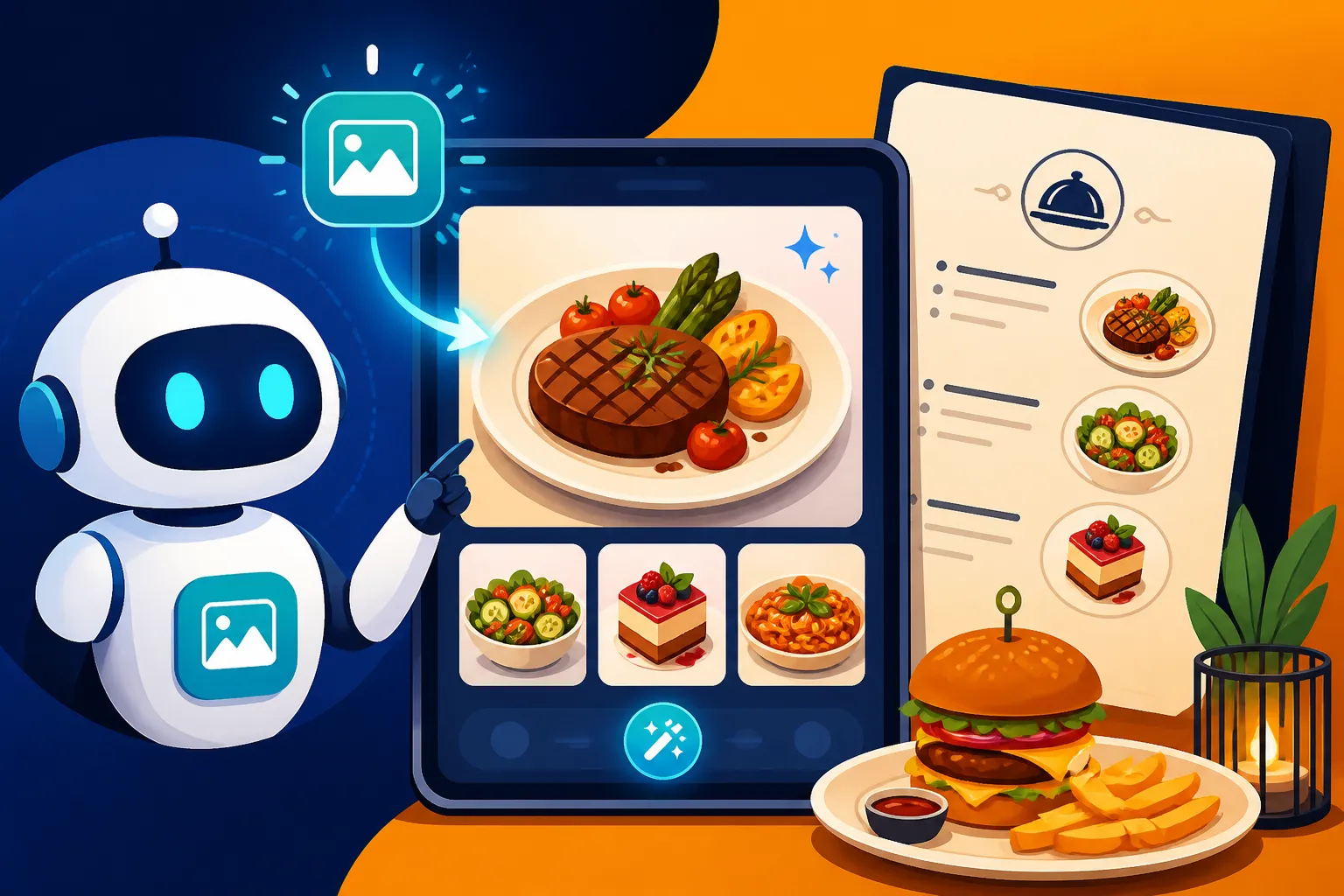
AI Images for Restaurants and Menus
Running a restaurant or food business is a whirlwind, isn't it? You're juggling ingredients, staff, customer service, and then you hit the wall of needing mouth-watering visuals for your menu, social media, or website. Paying for professional food photography can feel like another luxury you just can't afford, and let's be honest, trying to snap decent shots with your phone often leaves you with less-than-appetizing results. This guide is here to cut through that frustration, showing you exactly how AI image tools can be your secret ingredient for creating stunning, high-quality images for your restaurant and menu, without breaking the bank or your sanity.
The Struggle is Real: Traditional Visuals for Restaurants
Before we dive into the exciting world of AI, let's just acknowledge the very real headaches that come with trying to get decent visuals for your food business. It's a universal struggle, whether you're a cozy corner cafe or a bustling bistro in the heart of a city like Portland, Oregon.
Expensive Photography Sessions
Hiring a professional food photographer is a dream for many, but often an unattainable one for independent restaurants or startups. These professionals bring not just their cameras, but also extensive knowledge of lighting, composition, food styling, and post-production. They might work with food stylists who make dishes look absolutely perfect, perhaps even using a bit of glycerine to make a drink "sweat" perfectly or hairspray to make a pie crust gleam.
A typical photoshoot can easily run into hundreds, if not thousands, of dollars for just a handful of hero shots. Think about it: the photographer's fee, studio rental if needed, food stylist, props, and then the licensing fees for usage. If you're "Mama Rosa's Trattoria" needing new photos for your seasonal pasta dishes, that's a significant chunk of your marketing budget gone in one go. And what happens when the season changes, or you introduce a new chef's special? You're back to square one, facing those same hefty costs. It's simply not sustainable for most small to medium-sized eateries, especially those constantly innovating their menus.
DIY Dilemmas and Inconsistent Quality
So, you decide to go the DIY route. You grab your smartphone, find the best natural light by the window, and try to make your signature burger look as good as it tastes. The reality? More often than not, you end up with blurry photos, weird shadows, off-color lighting, or a dish that just looks flat and uninspired on camera, even if it's a masterpiece in person. It’s incredibly difficult to capture the texture of a perfectly seared steak or the delicate steam rising from a bowl of ramen without specialized equipment and expertise.
The result is often a patchwork of inconsistent images across your social media, website, and physical menus. One day, your photos might be bright and airy; the next, they're dark and grainy. This lack of visual consistency can actually detract from your brand's professionalism and make your food less appealing to potential customers scrolling through online. It sends a mixed message and can make a fantastic dish look mediocre, simply because the photo doesn't do it justice. The time you spend trying to get that "perfect shot" is also time away from managing your business, interacting with customers, or perfecting your recipes.
The Grind of Menu Updates
Menus are living documents for restaurants. They change with the seasons, with supply chain availability, with new culinary inspirations, or even just daily specials. Imagine having a stunning, professionally photographed menu for your spring offerings, only to have to revert to text-only descriptions for your summer specials because you couldn't afford another full photoshoot. It feels like a step backward, doesn't it?
This constant need for fresh content, especially visual content, for evolving menus is a huge burden. Whether it's adding a new cocktail to the bar menu, highlighting a limited-time dessert, or completely overhauling the brunch selection, each change demands new visuals to entice diners. Without a cost-effective and efficient way to update these images, many restaurants resort to plain text menus, missing a massive opportunity to engage customers visually and drive excitement for their dishes. It's a cycle of frustration that can stifle creativity and marketing efforts.
Unlocking Potential: How AI Image Generators Transform Restaurant Visuals
Now, let's talk about the game-changer. AI image generators have emerged as a powerful solution, offering a fresh, accessible, and incredibly efficient way for restaurants to create stunning visual content. These tools are democratizing high-quality imagery, putting professional-grade visuals within reach of every eatery, from the smallest food truck to the most ambitious fine-dining establishment.
Cost-Effective and Speedy Production
The most immediate benefit of AI image generators is the dramatic reduction in cost and time. Instead of budgeting hundreds or thousands for a photoshoot and waiting days or weeks for delivery, you can generate multiple high-quality images in minutes, often for a fraction of the price – or even free, depending on the platform. Tools like Bing Image Creator and Ideogram offer robust free tiers, while others like Leonardo AI have very generous free credit systems.
This efficiency means that if "The Daily Grind Cafe" needs a new image for their seasonal pumpkin spice latte, they can type a prompt and have a selection of options almost instantly. No more scheduling, no more expensive equipment, and no more waiting. This speed allows restaurants to be incredibly agile with their marketing, responding quickly to trends, seasonal changes, or even last-minute promotions. The cost savings can then be reinvested into other critical areas of the business, like better ingredients, staff training, or improving the customer experience.
Maintaining Brand Aesthetic
One of the challenges with DIY photography is maintaining a consistent brand aesthetic. With AI, you can actually define and refine your visual style through careful prompting. You can specify the mood, lighting, color palette, and even the type of plating you want to see. For instance, if your restaurant, "Ocean's Bounty Seafood," has a rustic, coastal vibe with natural light and wooden textures, you can include those details in your prompts.
This level of control helps ensure that all your AI-generated images align with your restaurant's overall brand identity, creating a cohesive and professional look across all your platforms. You can even create a visual style guide based on your AI prompts, ensuring that anyone generating images for your business can maintain that consistent look. This consistency builds trust and recognition with your audience, making your brand more memorable and appealing. For a deep dive into achieving this, exploring how to craft effective prompts is key. Learn more about How to Write AI Image Prompts to master this skill.
Scaling Content Creation
Imagine needing a dozen different images for a new menu launch, a series of social media posts, and an upcoming ad campaign. Traditionally, this would be a monumental task. With AI image generators, scaling your content creation becomes incredibly manageable. You can generate a wide variety of images based on similar prompts, tweaking elements like angle, garnish, or background with ease.
This ability to generate a high volume of diverse content is invaluable for marketing. You can create multiple versions of an ad creative to A/B test which image resonates most with your audience, or quickly populate your social media feed with engaging visuals every day. It allows you to experiment with different visual narratives without significant investment, constantly refreshing your online presence and keeping your audience engaged. This is particularly useful for businesses that need to frequently update their online menus or social feeds with new daily specials, like a popular downtown bakery showcasing its daily bread offerings.
Beyond the Plate: AI Images for Dynamic Menus
The menu is the heart of your restaurant's offering, and in today's visual world, it needs to be as appealing to the eye as your food is to the palate. AI image generators are revolutionizing how restaurants approach menu design, making it easier and more affordable to create stunning, dynamic visual experiences.
Crafting Appetizing Digital and Print Menus
Gone are the days when a text-only menu was acceptable, especially for online browsing. Customers now expect to see what they're ordering. AI image tools allow you to generate high-quality, mouth-watering photos for every single item on your menu, transforming bland text lists into enticing visual showcases. Whether it's a crispy wood-fired pizza from "Pizzeria Rustica" or a delicate lemon meringue pie, AI can render it in exquisite detail.
For digital menus, these images are crucial for platforms like Uber Eats, DoorDash, and your own website, where visual appeal directly impacts ordering decisions. For print menus, these AI-generated photos can elevate the entire dining experience, making each dish feel thoughtfully presented. You can experiment with various styles – from minimalist overhead shots to dynamic close-ups – to find what best reflects your restaurant's ambiance and cuisine. The beauty is that you can quickly swap out images to match seasonal ingredient changes or new culinary trends without needing another full photography session.
Visualizing Seasonal Specials and Daily Updates
One of the biggest frustrations for restaurants with dynamic offerings is keeping their menu visuals current. Seasonal specials, daily soups, rotating desserts – these unique items often miss out on proper imagery due to cost and time constraints. AI generators solve this problem entirely.
Imagine "The Gilded Fork," a farm-to-table restaurant, needing new images for their spring asparagus risotto and summer berry tart. With AI, they can generate beautiful, fresh images for these limited-time dishes in minutes. This means their marketing materials, social media, and online menus can always feature the most current and appealing items. It allows for spontaneity and responsiveness to market demands or ingredient availability. No more plain text for your "Chef's Daily Catch" – now you can have a captivating image that truly sells the dish. This flexibility is a game-changer for maintaining an exciting and up-to-date offering. If you're looking for free ways to do this, check out our guide on How to Generate AI Images for Free.
Designing Unique Menu Elements and Icons
Beyond actual food photos, AI can also be a fantastic resource for designing unique menu elements and icons. Need a little graphic for a "vegetarian option" or a "spicy dish" that perfectly matches your restaurant's aesthetic? AI can create custom icons, illustrations, or decorative borders that elevate your menu's design without requiring a graphic designer.
This capability extends to crafting a cohesive visual theme. For example, a sushi restaurant could generate intricate Japanese-inspired patterns for menu borders, or a coffee shop could get custom line-art illustrations of coffee beans and steaming mugs. These small, thoughtful visual details contribute significantly to the overall brand experience and make your menu stand out. They ensure that every visual aspect of your menu reinforces your restaurant's unique identity, making it more engaging and memorable for your customers.
Feeding the Algorithm: AI for Restaurant Marketing and Social Media
In today's digital landscape, a restaurant's online presence is almost as important as its physical location. Social media and digital marketing are crucial for attracting new customers and keeping regulars engaged. AI image generators are an invaluable asset for creating a constant stream of fresh, high-quality visual content that truly stands out.
Engaging Social Media Content
Social media platforms like Instagram, Facebook, and TikTok are highly visual. A stunning photo of your new dessert special or a vibrant cocktail can stop a scroll dead in its tracks. However, consistently producing such content can be a huge drain on resources. This is where AI swoops in. Restaurants can generate endless variations of food and drink imagery, lifestyle shots (e.g., people enjoying meals in a simulated restaurant setting), or even abstract artistic representations of their cuisine.
You can create visually appealing daily posts, stories, and reels without ever needing to pick up a camera. Imagine "The Urban Spoon" cafe generating a different, perfectly styled image of their avocado toast every morning for a week, each with a slightly different angle or background. This not only keeps their feed fresh and dynamic but also allows them to test which types of visuals perform best with their audience. AI makes it simple to maintain a robust and exciting social media presence, driving engagement and getting those crucial likes, shares, and comments that translate into foot traffic. For more ideas on how to craft prompts that resonate, explore our AI Image Prompt Guide for Beginners.
Eye-Catching Ad Creatives
Running online ads on platforms like Google, Facebook, or local news sites requires captivating visuals to grab attention and drive conversions. Generic stock photos rarely make an impact, and custom photography can be expensive, especially for A/B testing multiple ad variations. AI image generators offer the perfect solution.
You can rapidly create a multitude of unique ad creatives, tailoring the style, mood, and content to specific campaigns or target demographics. For example, if "The Healthy Bowl" restaurant wants to promote its new vegan menu, they can generate several vibrant images of plant-based dishes, perhaps showing different ingredients or presentation styles. This allows for extensive A/B testing to identify which visuals generate the highest click-through rates and ultimately, more customers. The ability to quickly iterate and optimize ad creatives based on performance data is a significant competitive advantage, ensuring your marketing spend is as effective as possible.
Website and Online Presence Enhancement
Your restaurant's website is often the first impression a potential customer gets. High-quality, appealing images are essential for making that impression count. AI can populate your entire website with professional-grade visuals, from hero images on your homepage to specific dish photos on your menu page, and even atmospheric shots for your "About Us" section.
This also extends to online review platforms and local directories like Yelp and Google Maps. Having captivating images on these sites can significantly influence customer choices. A visually rich website not only looks professional but also helps convey the ambiance and quality of your restaurant, enticing visitors to make a reservation or place an order. It's about creating a holistic and immersive online experience that reflects the quality of your real-world establishment, all powered by the accessibility of AI-generated imagery. You can also use AI to create more professional images for your general marketing efforts, as detailed in Best AI Image Generator for Marketing Images.
Mastering the Art: Tips for Generating Delicious AI Food Imagery
Generating truly delicious-looking AI food images isn't just about typing "burger" into a prompt box. It requires a bit of finesse, understanding, and iterative refinement. Think of it like cooking – the best results come from knowing your ingredients and perfecting your technique.
Crafting Effective Prompts for Culinary Excellence
The secret to amazing AI food images lies in your prompts. Don't just ask for "pizza." Instead, describe the kind of pizza, the toppings, the crust, the cooking method, and the overall vibe.
- Be Specific about the Dish: Instead of "burger," try "gourmet smash burger with melted sharp cheddar, caramelized onions, crisp lettuce, heirloom tomato, and a brioche bun."
- Describe Ingredients and Textures: "Crispy, golden-brown crust," "succulent, slow-cooked pulled pork," "glistening balsamic glaze," "freshly chopped cilantro."
- Specify Plating and Presentation: "Elegantly plated on a white ceramic dish," "rustic wooden board with artisanal bread," "casual takeout container with branded sticker."
- Set the Scene and Lighting: "Soft, diffused natural light from a window," "dramatic chiaroscuro lighting, dark background," "bright and airy, cafe setting, bokeh effect."
- Add Style Modifiers: "Photorealistic," "food photography magazine style," "cinematic close-up," "flat lay food photography," "8K, ultra-detailed."
Consider a prompt like: "Close-up, photorealistic image of a vibrant summer salad, featuring mixed greens, grilled peaches, crumbled goat cheese, candied pecans, and a light vinaigrette. Served in a shallow, rustic ceramic bowl on a distressed wooden table. Bright, natural overhead lighting, shallow depth of field, food photography magazine style, 8K, ultra-detailed." This level of detail guides the AI to produce precisely what you envision. For more detailed guidance, check out [How to Write AI Prompts for Food Photography].
Achieving Consistency Across Your Visuals
Maintaining a consistent visual style is paramount for brand recognition. If your restaurant, "The Corner Bistro," has a warm, inviting aesthetic, you want all your images to reflect that, not just one or two.
- Develop a Prompt Template: Create a base prompt that includes your preferred lighting, background, and photographic style. For example: "Photorealistic, overhead shot, rustic wooden table, soft natural light, shallow depth of field, food photography magazine style." Then, you just add the dish specifics.
- Use Seed Numbers (where available): Some AI tools allow you to use a "seed" number, which helps reproduce similar image compositions or styles from previous generations. If you get an image you love, grab its seed number and use it for subsequent generations to maintain a similar feel.
- Iterate and Refine: Don't settle for the first image. Generate several options, pick the best one, and then use it as a reference or a starting point for further generations. Many tools allow you to use an image as an "image prompt" to guide the AI's style.
A consistent look ensures that whether a customer sees your pasta on Instagram, your steak on your website, or your dessert on a printed menu, they immediately recognize it as coming from your restaurant. This builds brand trust and a professional image.
Leveraging Editing and Upscaling for a Professional Finish
Even the best AI-generated images can often benefit from a final polish. Think of it as the finishing touches a chef adds before sending a dish out.
- Minor Adjustments: Sometimes an AI image might have a slightly off-color hue, or a minor imperfection. Basic photo editing software (even free ones like Canva or mobile apps) can help you adjust brightness, contrast, saturation, and crop to perfection.
- Upscaling for Clarity: AI images, especially those generated quickly, might not always be at the highest resolution suitable for large prints or detailed website banners. Tools like Magnific AI Upscaler or even built-in upscaling features in platforms like Midjourney can dramatically increase the resolution and detail of your images without making them blurry or pixelated. This is crucial for ensuring your visuals look crisp and professional everywhere they are displayed. Read our in-depth look at Magnific Upscaler: Worth the Price for more on this powerful tool.
- Adding Overlays or Text: For menu headers, social media graphics, or promotional posters, you might want to add text or branding elements. Using a graphic design tool to overlay text on your AI-generated food image allows you to create fully customized marketing materials. This step often takes an already great image and makes it truly ready for public consumption, complete with your restaurant's name and delicious offer.
The Future Feast: AI's Evolving Role in the Culinary World
AI's journey in the culinary world is just beginning. As the technology continues to advance, we're going to see even more sophisticated and integrated applications that go beyond just image generation, fundamentally changing how restaurants operate and interact with their customers.
Personalized Visual Experiences
Imagine a future where your digital menu dynamically adjusts its visuals based on the individual customer. For instance, if a returning customer at "The Flavor Lab" frequently orders vegetarian dishes, the menu might automatically highlight stunning AI-generated images of plant-based options upon their visit. Or perhaps, during online ordering, a customer could customize a dish (e.g., "add extra cheese," "no onions"), and the AI could instantly render a visual representation of their personalized order before they even add it to the cart.
This level of personalization, driven by AI, could significantly enhance the customer experience, making ordering more engaging and satisfying. It's about leveraging data not just for recommendations, but for creating a truly unique and visually rich interaction tailored to individual preferences, almost like having a personal chef who knows exactly what you'd like to see.
Integrating AI into Operations
The integration of AI into restaurant operations could extend far beyond just marketing images. We might see AI assisting with inventory management by visually identifying ingredients, or even helping design new dishes by suggesting flavor combinations and then visually rendering them. Imagine a chef at "Gastronomy Hub" inputting ingredients and flavor profiles, and the AI generating images of potential dish presentations to inspire their plating.
Furthermore, AI could help create instructional visuals for staff training – showing exactly how a dish should be prepped and plated, maintaining consistency across all kitchen teams. This operational integration would streamline processes, reduce waste, and ensure a high standard of quality, all while utilizing advanced visual generation capabilities. The possibilities for efficiency and innovation are truly vast.
Ethical Considerations and Authenticity
As AI-generated images become more ubiquitous, it's crucial for the culinary industry to address ethical considerations and maintain authenticity. Customers value transparency, and while AI images are incredibly useful, there's a fine line between enhancement and misrepresentation.
- Transparency: Should restaurants disclose when an image is AI-generated? For example, if "The Rustic Spoon" uses AI to create a hyper-realistic photo of a dish that's significantly more appealing than the actual plate served, it could lead to disappointment and erode trust.
- Accuracy: While AI is fantastic, ensuring the generated images accurately represent the ingredients, portion sizes, and overall aesthetic of the actual food being served is vital. The goal is to entice, not to mislead.
- Maintaining Human Touch: Even with AI, the unique artistry of a chef and the genuine atmosphere of a restaurant remain paramount. AI should be a tool to amplify, not replace, the human element that makes dining a truly special experience.
Ultimately, the future of AI in the culinary world will depend on how thoughtfully and responsibly restaurants adopt these powerful tools, balancing innovation with integrity to continue delighting diners.
| Feature | Traditional Food Photography | AI Image Generation |
|---|---|---|
| Cost | High (hundreds to thousands per session) | Low to Free (subscription, credits, or free tiers) |
| Time | Days to weeks (scheduling, shoot, editing) | Minutes to hours |
| Flexibility | Low (difficult to update/change quickly) | High (easy to modify prompts for variations) |
| Skill Required | Professional photographer/stylist | Basic prompting skills, some editing knowledge |
| Consistency | High (with same professional) | High (with consistent prompting/style guides) |
| Volume | Low (limited images per session) | High (can generate many variations rapidly) |
| Realism | 100% authentic | High, but can sometimes feel "too perfect" or uncanny |
| Use Cases | Hero shots, high-end print campaigns | Menus, social media, ads, website, concept art |
Disclaimer
The information provided in this article about AI image generators for restaurants and menus is for general informational purposes only. While AI image generation tools are rapidly advancing, the quality and commercial viability of generated images can vary significantly between platforms and based on user skill. Always review the terms of service and licensing agreements of any AI tool you use, especially if you intend to use the images for commercial purposes. We recommend experimenting with different tools and techniques to find what works best for your specific restaurant's needs and brand aesthetic.