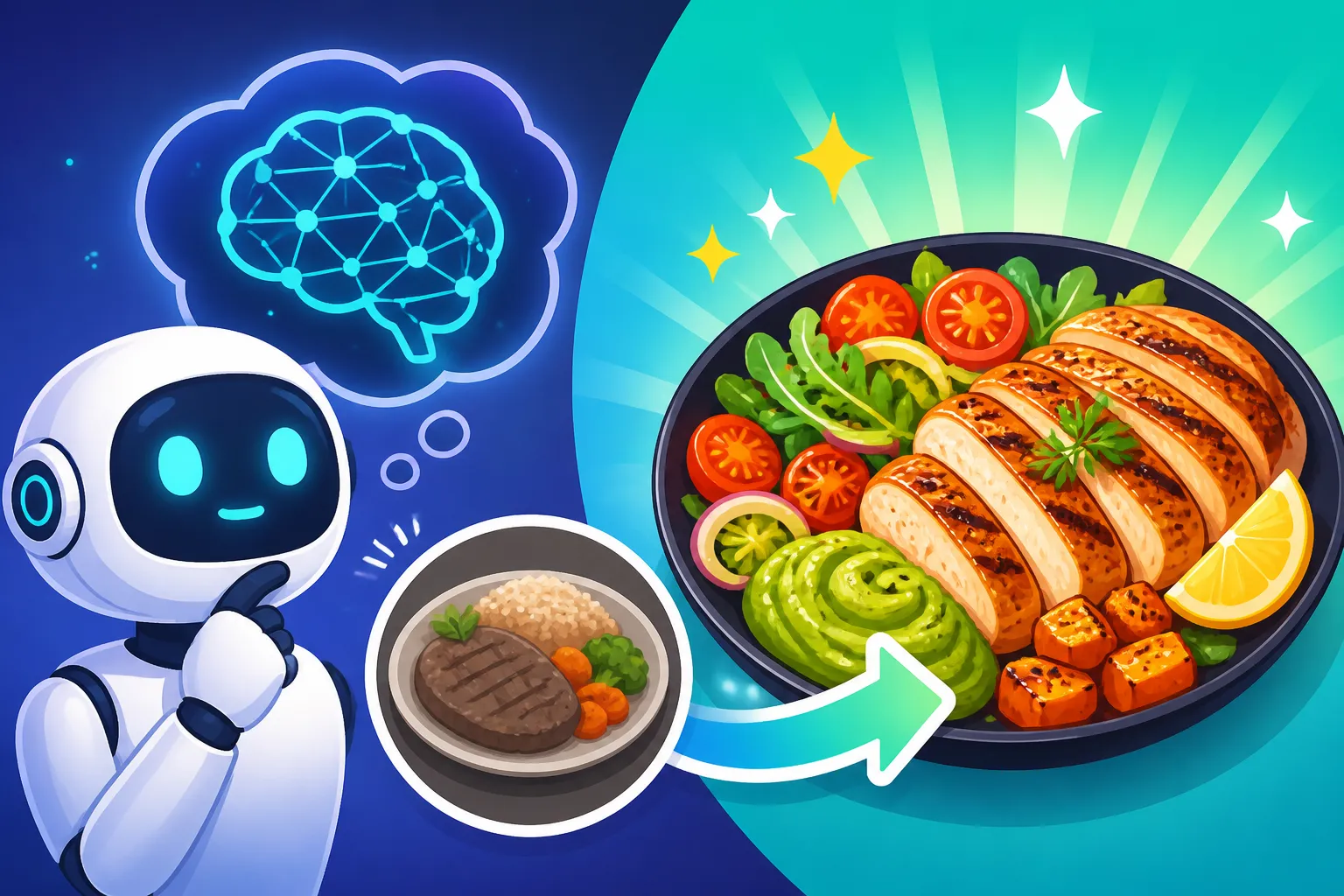
How to Prompt AI for Better Food
You know that feeling when you're scrolling through social media, and you stumble upon a food photo so gorgeous it makes your stomach rumble? Then you try to generate something similar with AI, and what you get is… well, let's just say it looks more like a science experiment gone wrong than a gourmet meal. It's frustrating to see bland, unappetizing dishes or strange, mutated ingredients when you were hoping for a feast for the eyes. This guide is here to tackle that exact problem, showing you how to craft AI prompts that reliably produce mouth-watering, realistic, and truly beautiful food imagery every single time.
Understanding the Basics of Food Prompting
Creating stunning food visuals with AI isn't just about typing "delicious food" and hoping for the best. Just like real cooking, it requires a thoughtful approach, understanding of ingredients, presentation, and the environment. Without specific details, AI models tend to default to generic, often unappealing interpretations.
Beyond "Delicious Food": The Importance of Specificity
Think about it: when a chef describes a dish, they don't just say "chicken." They talk about "pan-seared organic chicken breast, crisped to perfection, resting on a creamy bed of saffron risotto." That level of detail is exactly what your AI needs. Generic prompts like "a plate of pasta" will give you a generic, often flat image that lacks any real appeal. The AI doesn't know what kind of pasta, what sauce, or how it should be presented.
To truly make your AI food images sing, you need to engage all the senses, even in text. Describe the taste, the texture, the aroma, and even the sounds (like the sizzle of a steak or the crunch of fresh vegetables). For instance, instead of "a plate of pasta," try something like: "Close-up, vibrant, al dente spaghetti carbonara with crispy guanciale, creamy egg sauce, and freshly grated Pecorino Romano, steam rising from the dish, garnished with fresh parsley." Notice how much more vivid that becomes? It paints a picture in your mind, and crucially, it gives the AI a clear blueprint to follow. This level of detail is key to how to write AI image prompts effectively.
Key Elements of an Effective Food Prompt
Just like a recipe has components, a great food prompt breaks down into several key elements. Thinking of these as building blocks will help you construct comprehensive and irresistible prompts.
- The Dish Itself: Be hyper-specific. Is it a classic French croissant, a rustic Italian lasagna, or a trendy sushi burrito? Don't just say "cake" when you can say "multi-layered chocolate fudge cake."
- Key Ingredients: List the main components, especially those that add visual appeal. "Fresh berries," "golden-brown crust," "melted cheese pull," "crispy bacon bits" are far more descriptive than just naming the dish.
- Preparation & Texture: How was it cooked? What does it feel like? "Deep-fried," "oven-roasted," "slow-cooked," "steamed." Describe textures: "fluffy," "gooey," "crunchy," "tender," "creamy," "caramelized."
- Plating & Garnishes: How is it arranged on the plate? What small details make it pop? "Artfully arranged," "rustic presentation," "gourmet plating," "drizzle of balsamic glaze," "sprinkle of fresh herbs," "dusting of powdered sugar."
- Setting & Context: Where is the food? This sets the mood. Is it a "cozy kitchen counter," a "fine dining restaurant," a "lively outdoor market," or a "picnic blanket in a sun-drenched park?"
- Lighting: Arguably one of the most important elements for food photography. "Soft natural light," "golden hour glow," "dramatic chiaroscuro," "bright studio lighting," "backlighting" can completely transform a dish.
- Style & Aesthetics: What kind of image are you going for? "Hyperrealistic food photography," "overhead flat lay," "macro close-up," "cinematic shot," "vintage cookbook illustration," "minimalist."
By combining these elements, you're not just instructing the AI, you're painting a complete picture. This systematic approach is essential for any AI image prompt guide for beginners looking to level up their creations.
Crafting Mouth-Watering Details: Ingredients and Preparation
The secret to truly appetizing AI food images lies in making the food itself look desirable. This means paying close attention to the freshness of ingredients and the perfection of their preparation.
Highlighting Freshness and Quality
No one wants to eat wilted lettuce or dull fruit. To make your AI-generated food look appealing, you need to convey freshness and quality through your prompts. Think about the vibrant colors, the slight sheen of fresh produce, or the natural imperfections that indicate real ingredients.
Use descriptive adjectives that evoke a sense of vitality and deliciousness. Instead of just "salad," try: "Crisp, vibrant spring salad with dew-kissed mixed greens, ruby-red cherry tomatoes bursting with juice, thinly sliced cucumber, and crumbled feta cheese, glistening lightly with vinaigrette." The "dew-kissed" and "bursting with juice" instantly elevate the image from mundane to irresistible. Keywords like "farm-fresh," "organic," "hand-picked," "glistening," "ripe," "succulent," and "vibrant" are your best friends here. You want the AI to understand that these are peak-condition ingredients, ready to be enjoyed.
Consider a bowl of fruit. "Bowl of fruit" is bland. "A rustic wooden bowl overflowing with brightly colored, perfectly ripe seasonal fruits: plump, crimson strawberries, glossy purple grapes, fuzzy sun-kissed peaches, and vibrant green kiwis, each fruit glistening slightly with natural juices." This prompt doesn't just list fruits; it describes their state of ripeness, their texture, and how they appear, making the AI focus on high-quality, fresh produce. This technique directly contributes to how to get better AI image results, especially for edibles.
Describing Cooking Methods and Textures
The way food is cooked, and the textures it achieves, are crucial to its visual appeal. A perfectly seared steak looks vastly different from a boiled one, and a fluffy pancake is much more appealing than a flat, dense one. Your prompts need to articulate these nuances.
Think about the transformation that occurs during cooking. "Caramelized onions" sound much better than "cooked onions." "Crispy fried chicken" is more evocative than "fried chicken." The AI needs to understand the desired outcome of the cooking process. Use action-oriented and descriptive words for cooking methods and their resulting textures:
- Baking: "Golden-brown crust," "fluffy interior," "melted cheese bubbles," "gooey center," "crinkled edges."
- Frying/Searing: "Perfectly seared," "crispy skin," "deep-fried to a golden crisp," "juicy inside," "blistered."
- Roasting: "Richly roasted," "tender," "caramelized edges," "charred perfection."
- Grilling: "Perfect grill marks," "smoky char," "juicy and tender."
- Boiling/Steaming: "Al dente," "tender-crisp," "delicate."
Let's take an example: "Chicken breast." Not very exciting. Now, try: "Perfectly pan-seared chicken breast with a golden-brown, crispy skin and juicy, tender white meat, resting on a bed of vibrant, oven-roasted asparagus spears, light steam rising." This vividly describes both the cooking process and the textures achieved, making the AI prioritize those appealing elements.
Another common pitfall is bread. "Bread" can be anything. But "artisanal sourdough bread, freshly baked with a deep golden, crackling crust, dusted with flour, revealing a soft, airy crumb when sliced, still steaming from the oven" tells a story of delicious, perfectly prepared bread. These details are vital for creating realistic and appealing food.
Setting the Scene: Plating, Lighting, and Ambiance
Even the most perfectly cooked dish can fall flat visually if it's not presented well or captured in the right environment. This is where plating, lighting, and the overall ambiance of your scene become critical.
The Art of Presentation and Garnishes
Presentation is everything in culinary arts, and the same goes for AI-generated food images. How the food is arranged on the plate, the choice of dinnerware, and the addition of thoughtful garnishes can transform a simple meal into a work of art.
Imagine a plain bowl of oatmeal versus a beautifully plated breakfast. The difference is stark. In your prompts, describe the deliberate arrangement of food. Keywords like "artfully arranged," "gourmet plating," "stacked high," "layered," or "deconstructed" guide the AI to consider the visual composition.
Garnishes, even small ones, add a touch of professionalism and freshness. Think about "a delicate sprig of rosemary," "a sprinkle of toasted sesame seeds," "a drizzle of vibrant pesto," "a dollop of whipped cream," or "shaved Parmesan curls." These tiny details can make a huge impact. For example, instead of "soup," try: "Rich butternut squash soup, elegantly swirled with a dollop of créme fraîche and a sprinkle of toasted pumpkin seeds, served in a rustic ceramic bowl with a matching linen napkin." This immediately suggests care and attention to detail.
The choice of dishware also plays a role. "White ceramic plate," "dark slate platter," "rustic wooden board," "crystal glass." Specifying these adds to the overall aesthetic you're trying to achieve. Using techniques like these can also help with how to control composition in prompts, ensuring your food is the star.
Mastering Lighting and Backgrounds
Lighting is the magic ingredient in food photography, whether real or AI-generated. It can make food look fresh and appetizing or dull and uninviting. Bad lighting can ruin an otherwise perfect prompt.
- Natural Light: This is often the most flattering for food. Describe it as "soft natural light," "window light," "bright ambient light," or "diffused daylight." The "golden hour glow" can make dishes look incredibly warm and inviting.
- Studio Lighting: For a clean, professional look, specify "professional studio lighting," "overhead key light," or "softbox lighting."
- Dramatic Lighting: "Dramatic chiaroscuro lighting" or "low-key lighting" can create a moody, artistic feel, perfect for rich desserts or dark drinks.
- Backlighting: This can make liquids glow and create beautiful rim lighting around dishes, emphasizing steam or condensation. "Strong backlighting creating a halo effect."
The background supports the food without distracting from it. Consider:
- Blurry Background (Bokeh): Use "shallow depth of field," "bokeh background," or "blurry restaurant setting" to keep focus on the dish.
- Textures: "Rustic wooden table," "smooth marble countertop," "linen tablecloth," "distressed metal tray."
- Colors: "Neutral toned background," "warm color palette," "cool tones."
For instance, "A slice of berry pie" can become: "Close-up of a warm slice of homemade berry pie, juices bubbling, with a flaky, golden-brown lattice crust, served on a vintage floral plate, bathed in soft, diffused natural window light with a blurred, cozy kitchen background." This guides the AI to render both the dish and its environment beautifully, creating a scene that truly evokes appetite. This is a critical aspect of how to prompt for photorealistic images.
Evoking Mood and Atmosphere
Food isn't just sustenance; it's an experience. The mood and atmosphere surrounding a dish can significantly enhance its appeal. Are you trying to evoke comfort, luxury, festivity, or simplicity? Your prompt needs to set that stage.
Think about the context in which the food is typically enjoyed.
- Cozy: "Warm and inviting atmosphere," "candlelight glow," "fireplace crackling in the background."
- Elegant: "Fine dining setting," "white tablecloths," "crystal glassware," "sophisticated ambiance."
- Casual: "Lively outdoor patio," "busy cafe setting," "home kitchen feel," "picnic in the park."
- Seasonal: "Autumnal setting with fallen leaves," "summery beach picnic," "festive holiday table."
Adding subtle elements can make a big difference. "A steaming mug of hot chocolate with whipped cream, in a cozy cafe, blurred background, with gentle rain streaks on the windowpane." This prompt creates a comforting, warm feeling that enhances the appeal of the drink.
Another great example could be: "A vibrant, freshly baked pizza with bubbling cheese and crisp pepperoni, centered on a rustic wooden table, surrounded by blurred glasses of red wine and a warm, inviting restaurant ambiance, soft overhead lighting." This conjures a full, sensory experience, rather than just a flat image of food. To ensure consistency and high quality, remember to explore AI image generation tips and tricks.
Advanced Techniques for Food Imagery
Once you've mastered the basics, you can push your AI food images even further by experimenting with specific styles, camera techniques, and troubleshooting common issues.
Using Style and Aesthetic Modifiers
Just like a professional photographer uses different lenses and editing styles, you can guide the AI to render your food in a particular aesthetic. These modifiers add a layer of sophistication to your prompts.
- Photography Styles:
- Macro Photography: "Extreme macro close-up of a single blueberry, showing texture and dew drops."
- Overhead Flat Lay: "Top-down view, flat lay of a breakfast spread with pancakes, coffee, and fruit."
- Cinematic: "Cinematic shot of a chef's hands plating a gourmet dish, dramatic lighting."
- Food Styling Magazine Cover: "Image suitable for a high-end food magazine cover, perfect composition."
- Advertisement-Ready: "Food advertisement style, highlighting freshness and flavor."
- Artistic Interpretations:
- "Watercolor painting of a fruit tart."
- "Vibrant pop art illustration of a hamburger."
- "Hyperrealistic digital painting of a steaming bowl of ramen."
You can also specify camera details, even if the AI doesn't literally use a camera: "Shot with an 85mm lens," "wide-angle shot," "shallow depth of field," "f/1.8 aperture." While not all models interpret these perfectly, they often hint at the desired visual outcome, like a very focused subject with a blurry background. Experimenting with these modifiers allows you to achieve unique and captivating visual styles. You might also find it helpful to read about different ways to add realism to AI images for more advanced techniques.
Troubleshooting Common Food Image Issues
Even with the best prompts, AI can sometimes produce odd or unappetizing food images. It might look artificial, too perfect, or just plain weird. Knowing how to troubleshoot these common problems is essential for refining your results.
One of the biggest issues is food looking "plastic" or "fake." This often happens when the AI over-optimizes for perfection, losing the natural textures and slight imperfections that make real food appealing.
-
Overcoming Artificiality:
- Add natural elements: "Slight imperfections," "a few crumbs," "melting ice cream," "drip of sauce."
- Emphasize texture words: "Rough crust," "gooey cheese," "crispy edges," "soft crumb."
- Use natural lighting: Often artificial, harsh lighting can make food look less natural.
- Consider negative prompts: Specify "not artificial," "no plastic look," "not fake." This is where knowing how to use negative prompts really shines.
-
Fixing Mushy or Indistinct Food: If your food lacks definition or looks like a blob, double down on ingredient and texture descriptions.
- "Distinct layers of lasagna," "clearly defined grill marks," "individual grains of rice."
- If it looks unappetizing, use negative prompts like "blurry," "mushy," "burnt," "undercooked," "gloomy," "grey."
-
Iterative Prompting: The best way to troubleshoot is through iteration. Don't be afraid to generate multiple variations. Make small, incremental changes to your prompt and observe how the AI responds. If adding "crispy" makes the chicken too dark, try "golden-crisp" and see what happens. This process of refinement is key to how to fix bad AI image results.
Consider a scenario where you're trying to generate a plate of scrambled eggs, and they keep coming out looking like a uniform yellow mass. Your initial prompt might be "scrambled eggs." To fix it, you'd iterate: "Fluffy scrambled eggs, light yellow, with visible curds, garnished with chopped chives, steam rising, served on a white plate." If it's still too uniform, add: "rustic texture, not smooth." This iterative process, combined with a deep understanding of your prompt's components, will help you coax truly delectable images from your AI.
| Prompt Element | Description for Food | Example Keywords | Why It Matters |
|---|---|---|---|
| Dish Specificity | Name the exact dish & type. | "Spaghetti Bolognese," "Artisanal Sourdough," "Matcha Latte" | Avoids generic results, targets specific AI knowledge. |
| Ingredients | Detail key, visually appealing components. | "Fresh basil," "melted mozzarella," "ripe avocado," "crispy bacon" | Highlights freshness, texture, and color. |
| Preparation | Describe cooking method and outcome. | "Golden-brown crust," "perfectly seared," "slow-roasted," "fluffy" | Conveys deliciousness, texture, and doneness. |
| Plating | How the food is arranged on the plate. | "Artfully plated," "stacked high," "rustic bowl," "gourmet presentation" | Elevates perceived value and visual appeal. |
| Garnishes | Small, finishing touches. | "Sprinkle of herbs," "drizzle of olive oil," "dusting of cocoa," "lemon wedge" | Adds detail, freshness, and professional finish. |
| Lighting | Type and direction of light. | "Soft natural light," "golden hour," "backlighting," "studio lighting" | Crucial for appetite appeal, highlights textures and colors. |
| Background | What's behind the dish. | "Blurred bokeh," "rustic wooden table," "marble countertop," "linen tablecloth" | Sets the scene, provides context, prevents distraction. |
| Style | Overall aesthetic. | "Hyperrealistic food photography," "overhead flat lay," "cinematic," "macro shot" | Defines the artistic direction and visual intent. |
| Mood/Ambiance | The feeling of the scene. | "Cozy cafe," "elegant restaurant," "vibrant market," "homey kitchen" | Creates emotional connection, enhances desirability. |
| Negative Prompts | What you don't want. | "Blurry," "burnt," "plastic," "fake," "mushy," "gloomy" | Guides AI away from common pitfalls and undesirable traits. |
To delve deeper into general prompt optimization, explore resources on how to write a detailed image prompt. It will provide a broader understanding that you can apply to food-specific prompts. And for comparisons of tools that excel in photorealism, you might want to look into the Best AI Image Generator for Photorealism: Head-to-Head to see which platforms might offer an inherent advantage for food imagery.
Disclaimer
The information provided in this article is for general guidance and informational purposes only. While AI image generation tools are powerful, results can vary greatly depending on the specific model, your prompt quality, and ongoing updates to the AI technology. Always review the terms of service and usage rights for any AI image generator you use, especially for commercial purposes.