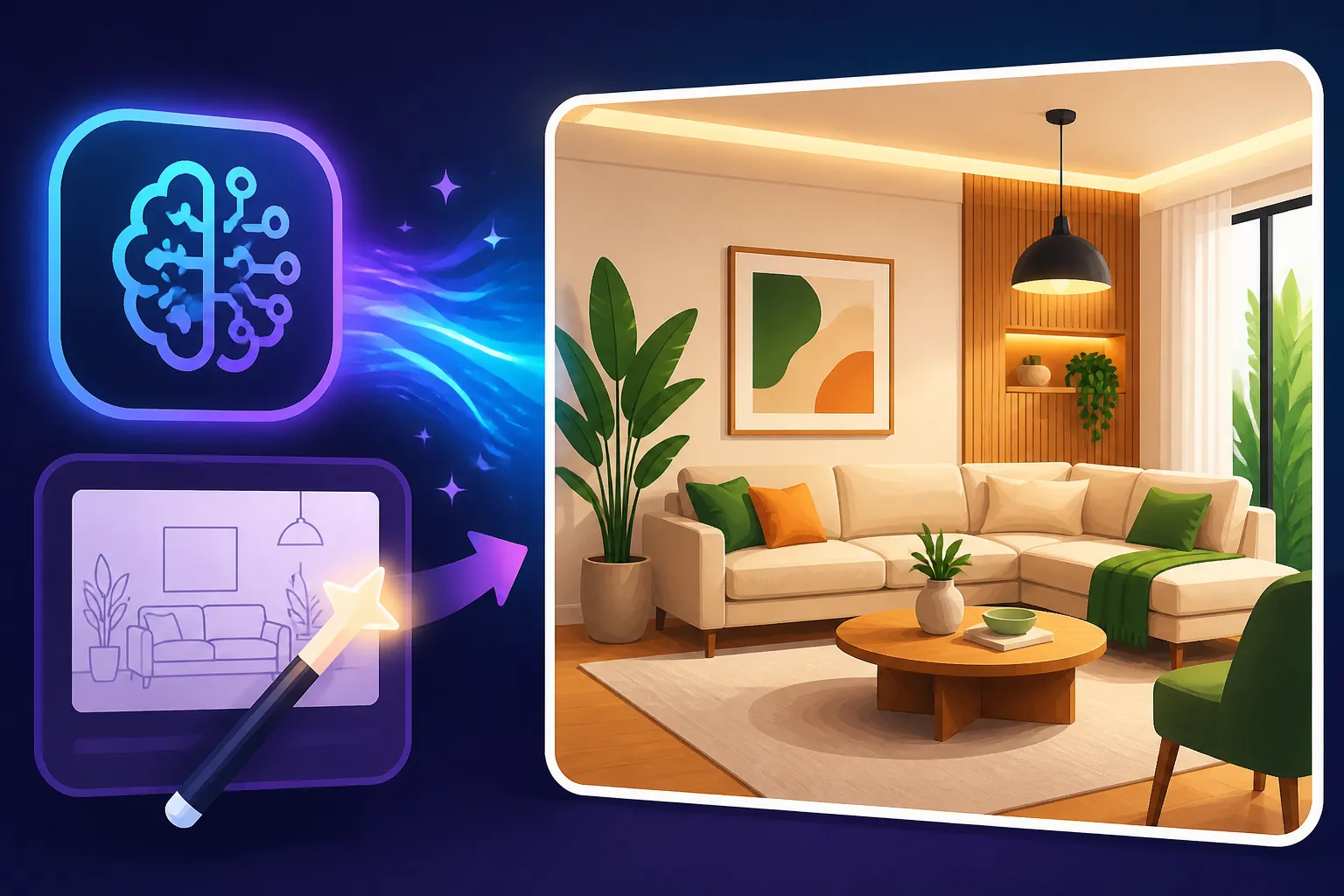
Best AI Image Prompts for Interiors
It's incredibly frustrating when you try to generate stunning interior design images with AI, only to end up with something that looks flat, generic, or completely unrealistic. You've got a beautiful vision in your head – perhaps a cozy reading nook bathed in golden hour light or a sleek, minimalist kitchen – but the AI just doesn't seem to "get" it. This comprehensive guide will walk you through the precise language and structural elements you need in your AI image prompts to consistently generate breathtaking, realistic, and truly inspiring interior visuals.
The Foundations of Crafting Exceptional Interior Prompts
Generating compelling AI images of interiors isn't just about throwing a few descriptive words together. It's about understanding how to communicate your vision to the AI in a way that truly brings it to life. Think of yourself as a director guiding a highly skilled but literal artist. Every detail you provide, every nuance in your language, shapes the final masterpiece.
Deconstructing the Elements of Interior Design
To effectively prompt for interiors, you need to break down your desired image into its core design components. This isn't just about listing furniture; it's about describing the feeling and atmosphere you want to evoke. Without a clear understanding of these elements and how to articulate them, your AI images might fall flat, lacking the depth and realism you're aiming for. It's the difference between asking for "a room" and asking for "a sun-drenched, rustic farmhouse kitchen with exposed wooden beams and a large cast-iron skillet hanging above a vintage stove."
Here's how to think about it:
- Architectural Style: Is it a grand Victorian parlor, a sleek modern loft, a cozy Scandinavian cabin, or a bustling industrial workspace? Specifying the architectural base sets the entire tone. Imagine trying to create a "mid-century modern living room" in a prompt that implies a "Gothic mansion interior." The results would be confusing and probably quite jarring.
- Color Palette and Materials: Beyond just "red walls," think about the shade (e.g., "deep terracotta," "muted blush," "vibrant crimson") and how colors interact. What materials are dominant? "Polished concrete," "distressed leather," "raw oak," "brushed brass," "smooth marble," "soft linen," "rattan weave" – these details paint a vivid picture for the AI.
- Furniture and Decor: Don't just list items. Describe their style, material, and even their perceived age or condition. Is it an "antique velvet armchair," a "sleek chrome floor lamp," or a "hand-thrown ceramic vase"? Specificity here is key to avoiding generic, AI-generated placeholders.
- Lighting and Atmosphere: This is where many prompts fail. Lighting is paramount in interior photography. Are we talking "soft morning light filtering through sheer curtains," "dramatic, moody evening light from a fireplace," "bright, diffuse overhead lighting," or "warm, inviting lamplight"? The type and quality of light can utterly transform a space.
- Mood and Emotion: Do you want the space to feel "cozy," "spacious," "luxurious," "minimalist," "inviting," "serene," or "vibrant"? These emotional cues help the AI understand the overarching feeling you're trying to achieve, guiding its choices in color, texture, and composition.
Crafting a Clear and Detailed Vision
The number one mistake people make when crafting AI image prompts is being too vague. When you type "modern living room," you're leaving hundreds of decisions up to the AI, and it will often default to something uninspired or generic. To get truly exceptional results, you need to be a storyteller, painting a detailed picture with words. This means moving beyond simple nouns and adjectives to incorporating specific descriptors, spatial relationships, and even subtle environmental cues.
Consider the difference:
- Vague Prompt: "Kitchen with island." (You'll likely get a bland, uninteresting kitchen with a generic island, probably in a sterile, poorly lit setting.)
- Detailed Prompt: "A spacious, open-plan kitchen with a large, white marble island as the focal point, accented by three matte black pendant lights hanging above. Floor-to-ceiling windows on the far wall let in abundant natural light, illuminating light oak flooring. The cabinets are a muted sage green, complemented by brass hardware. On the island, a bowl of fresh fruit and a single, minimalist vase with eucalyptus branches. A golden retriever sleeps peacefully on a rug in the corner. Photorealistic, soft focus, morning light."
See the difference? The second prompt provides architectural details, specific materials, color choices, decor items, lighting conditions, and even a touch of narrative with the sleeping dog. This level of detail gives the AI a rich canvas to work with, dramatically increasing the chances of generating an image that perfectly matches your mental picture. It's often about piling on the descriptive words and using synonyms or rephrasing until you hit just the right combination. If you're struggling with getting consistent results, you might find some useful advice in guides like "How to Fix Bad AI Image Results" or "How to Iterate on AI Image Prompts."
Essential Prompt Ingredients for Realistic Interiors
Now that we understand the foundational approach, let's dive into the specific ingredients that make interior prompts truly shine. These are the elements you should consciously consider and include in almost every interior prompt you create.
Mastering Style and Aesthetic Keywords
Interior design is a world of distinct styles, each with its own visual language. Understanding and using specific style keywords is crucial for guiding the AI towards the aesthetic you envision. Don't just say "pretty." Be precise!
Let's look at some popular styles and their associated keywords:
- Scandinavian: Minimalist, hygge, clean lines, light wood, neutral colors (greys, whites, muted pastels), functional furniture, cozy textiles (wool, linen), natural light, simple decor, fiddle leaf fig, white walls.
- Bohemian (Boho): Eclectic, global-inspired, layered textiles, natural materials (rattan, macrame, jute), vibrant colors, plants, low-slung furniture, cushions, patterned rugs, hanging tapestries, vintage finds.
- Mid-Century Modern: Retro, 1950s/60s, sleek, organic shapes, teak wood, minimalist, functional, geometric patterns, bold colors (mustard yellow, avocado green, burnt orange), iconic furniture (Eames chair, Sputnik lamp), clean lines.
- Industrial: Raw, edgy, loft apartment, exposed brick, concrete, metal (steel, iron), reclaimed wood, high ceilings, utilitarian furniture, vintage factory elements, pipe shelving, Edison bulbs, dark color palette.
- Coastal/Hamptons: Beachy, airy, relaxed, light and bright, white and blue color palette, natural textures (linen, wicker, driftwood), sea-inspired decor, distressed wood, natural light, nautical accents.
- Farmhouse/Rustic: Cozy, charming, distressed wood, shiplap, warm neutrals, antique furniture, natural textures, open shelving, cast iron, galvanized metal, classic lighting fixtures, comfort, reclaimed materials.
- Art Deco: Luxurious, geometric patterns, bold shapes, metallic accents (gold, chrome), velvet, polished wood, mirrored surfaces, rich colors (emerald green, sapphire blue, deep burgundy), symmetry, opulent.
Using these keywords as building blocks will dramatically improve your results. For example, instead of "a bedroom," try "a tranquil Scandinavian bedroom with light wood furniture and a grey knitted throw on the bed." Or, if you're feeling adventurous, explore mixing styles like "Boho-Industrial loft apartment with exposed brick and a rattan egg chair." To further refine your style prompting, check out resources like "How to Prompt for Specific Art Styles."
The Power of Lighting and Atmosphere
Lighting isn't just about brightness; it sets the mood, highlights architectural features, and can make an AI image feel truly alive. Think about how professional photographers use light, and try to replicate that language in your prompts.
- Natural Light:
- "Soft morning light filtering through sheer white curtains, creating long shadows."
- "Bright, abundant daylight streaming through large windows, illuminating every corner."
- "Warm golden hour light, casting a cozy glow across the living room, creating a serene atmosphere."
- "Overcast day light, diffuse and even, providing a soft, natural brightness."
- Artificial Light:
- "Warm, inviting lamplight from a vintage floor lamp, creating a cozy reading nook."
- "Dramatic, moody light from a roaring fireplace, casting flickering shadows."
- "Sleek, modern recessed lighting providing bright, even illumination."
- "Soft, ambient glow from hidden LED strip lights along the ceiling."
- "Backlit bookshelves, creating a dramatic, sophisticated effect."
- "Edison bulb pendant lights, casting a warm, industrial glow."
- Atmospheric Elements:
- "A hint of fog rolling in outside the window, adding mystery."
- "Subtle dust motes dancing in the sunlight."
- "Rain streaking down the windowpane."
- "A gentle breeze rustling the curtains."
By combining natural and artificial light with atmospheric details, you can craft truly immersive interior scenes. For more on specific lighting, consider "How to Prompt for Studio Lighting" or "How to Prompt for Dramatic Shadows." If you're aiming for that cinematic feel, "How to Prompt for a Cinematic Look" might be exactly what you need.
Furniture, Decor, and Textures: The Devil's in the Details
Generic descriptions lead to generic furniture. To achieve realistic interiors, you need to be hyper-specific about the items within the space, their materials, and the textures that give them depth.
- Furniture:
- Instead of "sofa," try "plush velvet Chesterfield sofa in deep emerald green."
- Instead of "chair," try "iconic Eames Lounge Chair and Ottoman in black leather and rosewood."
- Instead of "table," try "rustic farm table made of reclaimed barn wood" or "sleek, minimalist glass coffee table with chrome legs."
- Specify other items like "built-in bookshelves filled with colorful books and trinkets," "a grand piano in the corner," "a modern fireplace with a marble hearth," or "a vintage record player on a mid-century credenza."
- Decor:
- "Abstract expressionist painting in bold blues and yellows."
- "Hand-woven macrame wall hanging."
- "Collection of rare houseplants, including a large Monstera deliciosa and several hanging Pothos plants."
- "Stack of fashion magazines on a coffee table."
- "Scented candles burning on a side table."
- Textures and Materials:
- "Rough-hewn stone fireplace."
- "Polished concrete floor."
- "Soft, shaggy Berber rug."
- "Smooth, cool ceramic vase."
- "Distressed leather pouf."
- "Crisp white linen duvet cover."
- "Warm, textured wallpaper in a subtle geometric pattern."
Remember, the goal is to create a multi-sensory experience through your prompt. What would it look like, feel like, even sound like to be in that space? The more rich detail you can provide about the objects and their tactile qualities, the more believable your AI-generated interior will be.
Advanced Techniques for Elevating Your Interior Prompts
Once you've mastered the basics, it's time to refine your prompting skills further to produce truly exceptional and unique interior images. These techniques can turn a good image into a jaw-dropping one.
Incorporating Camera Angles and Composition
Just like a professional photographer or filmmaker, you can direct the AI on how to capture the scene. Camera angles and compositional directives add another layer of sophistication and control, helping you get exactly the perspective you want.
- Wide Shot/Establishing Shot: "A wide-angle shot showcasing the entire open-plan living and dining area." This is great for showing the overall layout and flow of a space.
- Eye-Level Shot: "An eye-level view from the doorway looking into the inviting living room." This creates a natural, immersive perspective, as if the viewer is standing in the room.
- Close-Up Shot/Detail Shot: "A close-up shot of the intricate stitching on the custom-made throw pillow, with a blurred background." Perfect for highlighting specific textures, patterns, or decorative items.
- Overhead Shot/Bird's Eye View: "An overhead shot looking down into the minimalist bathroom, showcasing the freestanding tub and geometric tile work." Excellent for revealing floor plans or unique ceiling features.
- Low Angle Shot: "A low-angle shot looking up at the vaulted ceiling and grand chandelier, emphasizing the room's height."
- Dutch Angle (Tilted Horizon): "A slightly Dutch angle shot of a vibrant, eclectic gallery wall, adding dynamic tension."
- Rule of Thirds: While harder to directly prompt, you can suggest it: "Composition adhering to the rule of thirds, with the focal point armchair positioned to the right."
- Leading Lines: "Leading lines created by the floorboards drawing the eye towards the window."
By specifying the desired camera angle and compositional elements, you guide the AI to frame the scene in a way that best emphasizes your chosen interior details and atmosphere.
Adding Context and Narrative
The most compelling interior images often hint at a story or a human presence, even if no people are explicitly in the shot. Adding subtle context or a touch of narrative can transform a static image into a "lived-in" space. This is where your imagination can really run wild.
- Human Touch:
- "A half-empty coffee mug on the bedside table, beside an open book."
- "A cozy blanket casually draped over the arm of a sofa."
- "A child's drawing taped to the refrigerator door."
- "A pair of reading glasses resting on a magazine."
- "A laptop open on the desk, with a faint glow."
- Activity/Seasonal Cues:
- "A warm fire crackling in the fireplace, with logs stacked nearby."
- "Sunlight filtering through a window, illuminating dust motes in the air."
- "A vase of fresh spring flowers on the dining table."
- "Fairy lights strung across a bookshelf for a festive touch."
- "Raindrops visible on the windowpane, reflecting the indoor light."
- Subtle Imperfections: Sometimes, perfection makes an AI image feel too artificial. A slight imperfection can add realism.
- "A stack of books slightly askew on the coffee table."
- "A rug with a subtle, worn patch near the entrance."
- "A single, forgotten throw pillow on the floor next to the couch."
These small details elevate the scene, making it feel less like a render and more like a real place where life happens. They evoke emotion and create a connection with the viewer.
Iteration and Refinement: The Path to Perfection
Getting the perfect interior image rarely happens on the first try. AI image generation is an iterative process, much like sketching and refining a design. Don't be afraid to experiment, tweak, and regenerate. Tools like Midjourney, DALL-E, and Leonardo AI all offer ways to create variations or make subtle adjustments to your prompts. You can read up on techniques for "How to Iterate on AI Image Prompts" to streamline this process.
Here's a typical workflow for refinement:
- Start Broad, Then Narrow: Begin with your core concept (e.g., "minimalist living room").
- Add Key Elements: Introduce style, dominant colors, and major furniture pieces ("minimalist Scandinavian living room, white walls, light oak flooring, grey sectional sofa").
- Refine Lighting and Mood: Incorporate lighting conditions and desired atmosphere ("soft morning light streaming through large windows, creating a serene and airy minimalist Scandinavian living room with white walls, light oak flooring, and a grey sectional sofa").
- Inject Details and Narrative: Add specific decor, textures, and subtle human elements ("soft morning light streaming through large windows, creating a serene and airy minimalist Scandinavian living room with white walls, light oak flooring, a plush grey sectional sofa, and a single black-framed abstract print above. A ceramic mug rests on a small, round wooden coffee table").
- Adjust Parameters (if available): Experiment with aspect ratios (e.g.,
--ar 16:9for wide shots), stylization levels, or different model versions if your tool supports it. - Analyze and Learn: Look at what the AI produced. What worked? What didn't? Was the lighting wrong? Was a piece of furniture distorted? Use this feedback to inform your next prompt. Maybe you need to explicitly mention "no distortions" or "perfectly formed furniture."
- Upscale and Enhance: Once you have an image you love, use upscaling tools to increase its resolution and add finer details. Learning "How to Upscale AI Images" can dramatically improve the final quality of your work.
By embracing this iterative approach, you'll gain a deeper understanding of how the AI interprets your words and develop a more intuitive sense for crafting prompts that yield truly stunning results. Building a personal "How to Build a Reusable Prompt Library" can also save you a lot of time and effort in the long run.
Interior Style Keyword Cheat Sheet
To help you get started, here's a quick reference table for some popular interior design styles and keywords you can mix and match in your prompts.
| Interior Style | Key Aesthetic | Dominant Colors | Key Materials/Textures | Typical Furniture/Decor | Lighting/Mood |
|---|---|---|---|---|---|
| Scandinavian | Minimalist, functional, cozy (hygge) | Whites, greys, muted pastels, natural wood | Light wood, linen, wool, ceramic | Clean-lined sofa, sleek chairs, simple shelves | Abundant natural light, airy, calm |
| Bohemian | Eclectic, global, relaxed, artistic | Earth tones, jewel tones, vibrant accents | Rattan, macrame, jute, distressed wood | Floor cushions, low seating, plants, tapestries | Soft, ambient, warm, inviting |
| Mid-Century Modern | Retro, sleek, organic, futuristic | Teak, walnut, bold colors (orange, green) | Wood, leather, chrome, glass | Eames chair, Sputnik lamp, geometric patterns | Focused, sometimes dramatic, stylish |
| Industrial | Raw, edgy, utilitarian, loft | Greys, blacks, browns, metallics | Exposed brick, concrete, metal, reclaimed wood | Pipe shelving, factory lighting, leather sofa | Edison bulbs, dramatic, raw, urban |
| Coastal/Hamptons | Beachy, airy, relaxed, nautical | Whites, blues, sand tones, aqua | Linen, wicker, driftwood, sisal | Slipcovered sofa, striped textiles, sea decor | Bright, fresh, serene, sun-drenched |
| Farmhouse/Rustic | Cozy, charming, vintage, country | Neutrals, whites, sage green, wood tones | Distressed wood, shiplap, cast iron, cotton | Farm table, antique cabinet, plaid patterns | Warm, inviting, natural, comfort-focused |
| Art Deco | Luxurious, opulent, geometric, symmetrical | Golds, blacks, deep jewel tones, ivory | Velvet, polished wood, marble, brass | Fan-shaped chairs, mirrored tables, ornate lamps | Glamorous, sophisticated, moody, dramatic |
| Minimalist | Clean, uncluttered, simple, spacious | Whites, greys, blacks, limited accents | Concrete, glass, smooth wood, chrome | Essential items, hidden storage, clean lines | Bright, open, stark, serene |
This table is a starting point, of course. Feel free to combine elements from different styles or add your own unique flair!
Disclaimer
The information provided in this article is for general guidance and informational purposes only. While AI image generation tools are powerful, the actual output can vary significantly based on the specific AI model, its version, and the prompt's complexity. Always review the terms of service and usage rights for any AI image generator you use, especially for commercial projects.