How to Use AI Image Generators for Marketing Images
Creating compelling visuals for marketing campaigns used to be a monumental task, often requiring expensive stock photo subscriptions, dedicated graphic designers, or hours spent sifting through endless options. Many small business owners and content creators grapple with the constant need for fresh, engaging imagery, feeling the squeeze on both their budget and their time. This comprehensive guide will walk you through exactly how you can harness the power of AI image generators to produce stunning marketing images efficiently and affordably, transforming your visual content strategy without the usual headaches.
The Shifting Landscape of Marketing Visuals and AI's Role
In today's fast-paced digital world, visual content isn't just an option; it's a necessity. From social media feeds to blog posts and ad campaigns, high-quality images are crucial for capturing attention, conveying messages, and driving engagement. But the demand for constant visual refreshment often outstrips the resources available to many marketers.
The Cost and Time Crunch for Marketers
Let's be real: producing effective marketing visuals has traditionally been a significant hurdle. Hiring a professional photographer for unique product shots can easily run into thousands of dollars, a budget many startups and small businesses simply don't have. Even using stock photo sites, while more affordable, comes with its own set of limitations. You might find yourself settling for images that don't quite fit your brand's unique aesthetic, or worse, using the same overused stock photos as your competitors. The search itself can be incredibly time-consuming, pulling you away from other critical marketing activities.
Imagine needing an image for a last-minute social media post about a flash sale, and realizing you have nothing suitable. Or perhaps you're launching a new product and need ten different lifestyle shots for your website and Amazon listings, but your budget only allows for one basic product photo. These are common frustrations that can stifle creativity and slow down your marketing efforts, making it feel like you're constantly playing catch-up. This is where AI image generation steps in, offering a promising solution to these long-standing challenges.
AI as a Creative and Efficiency Booster
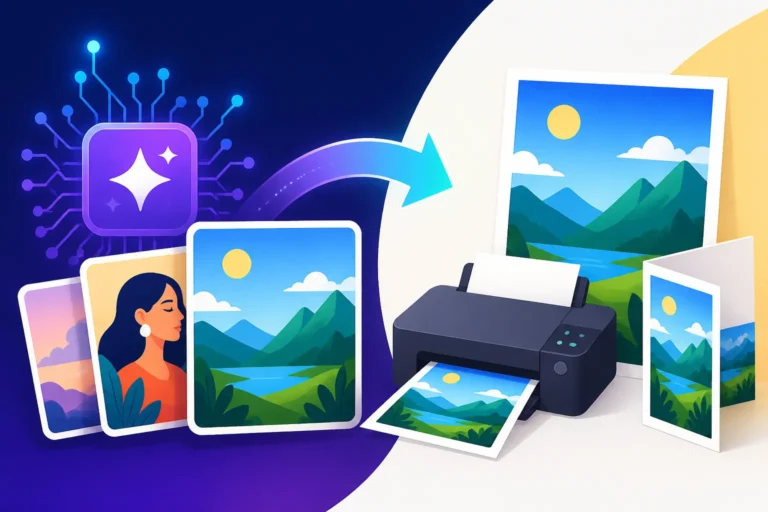
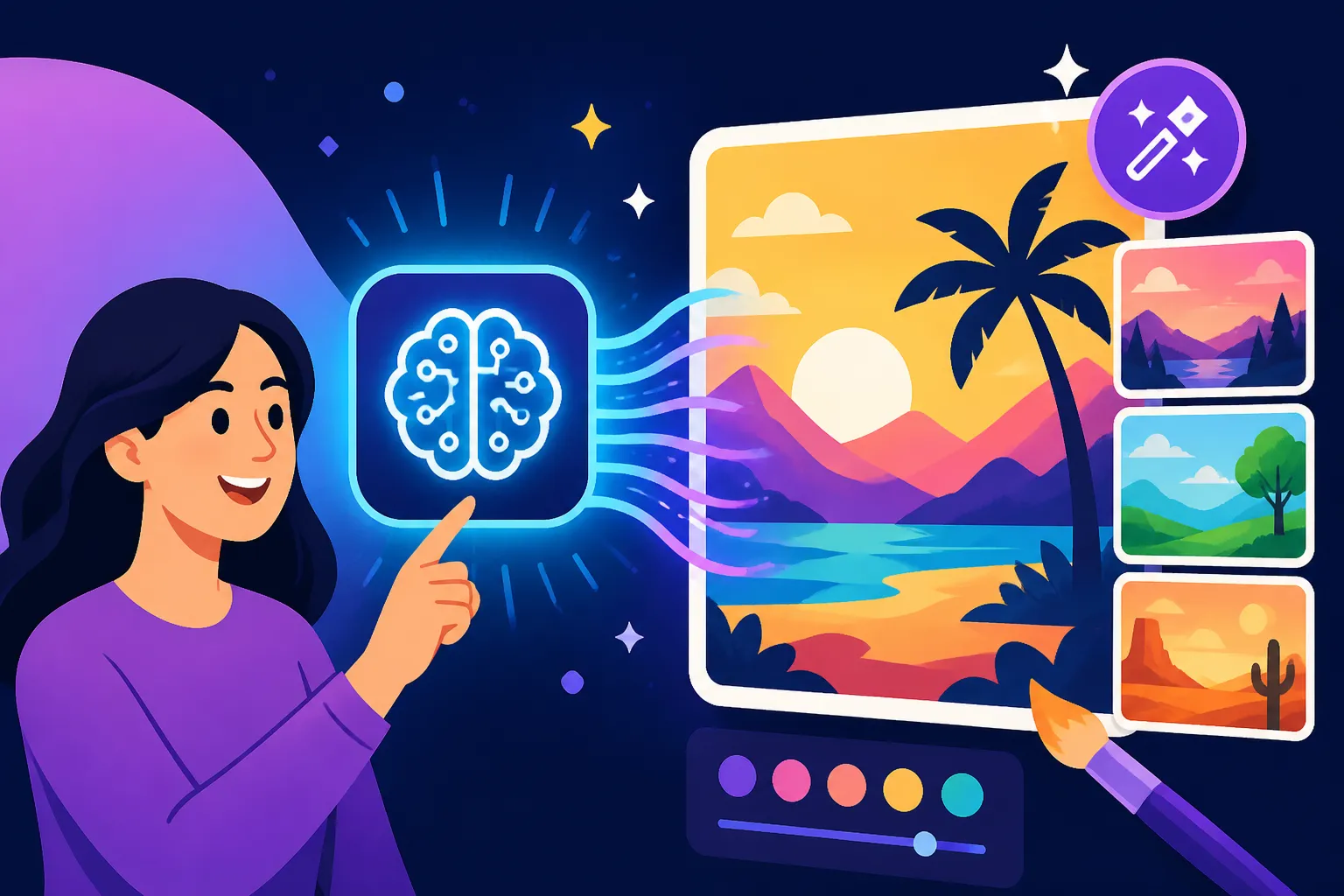
AI image generators have emerged as a game-changer, democratizing visual content creation for everyone. These tools use advanced algorithms to create unique images from simple text descriptions, or "prompts." This means you can now conceptualize an image – say, "a happy young woman drinking coffee in a vibrant, minimalist cafe, golden hour lighting" – and have a bespoke visual generated in seconds. The implications for marketers are huge, offering an unprecedented level of creative freedom and efficiency.
No longer are you limited by what's available in a stock photo library or by your graphic design skills. AI allows you to experiment with countless styles, moods, and scenarios, bringing even the most niche or imaginative concepts to life. This isn't just about saving money; it's about unlocking new creative possibilities, allowing you to iterate quickly on visual ideas, and keeping your content fresh and relevant. Whether you're a solo entrepreneur juggling everything or part of a larger marketing team, AI can significantly boost your output and the impact of your campaigns.
Practical Applications of AI Image Generators in Marketing
The versatility of AI image generators means they can be applied across nearly every facet of your marketing strategy. From grabbing attention on social media to making your blog posts pop, these tools offer tailored solutions for diverse visual needs.
Crafting Engaging Social Media Graphics
Social media platforms are inherently visual, and standing out in a crowded feed requires eye-catching graphics. AI image generators can be your secret weapon here. Instead of relying on generic templates, you can create unique images that perfectly align with your post's message and your brand's voice.
Think about it: you can generate a series of images for an Instagram carousel promoting different features of your new app, each tailored to a specific benefit. Or perhaps you need a celebratory image for a LinkedIn post announcing a company milestone. You could prompt for "a diverse team of professionals cheering in a modern office, celebratory confetti, vibrant colors," and get exactly what you need without a photoshoot. The ability to quickly generate diverse visuals means you can test different styles and concepts to see what resonates best with your audience. Learn more about How to Use AI Image Generators for Social Media Graphics.
Enhancing Blog Posts and Website Content
Bloggers and website owners often struggle to find compelling header images or illustrative graphics that truly complement their articles. Generic stock photos can make your content feel impersonal or unoriginal. AI image generators empower you to create bespoke visuals that enhance readability and engagement.
Imagine writing a blog post about "the future of sustainable fashion." You could generate an image of "futuristic clothing designs made from organic materials, models walking on a lush green runway, utopian city background" that perfectly encapsulates your topic. For a product review, you could generate unique hero images that highlight specific features or show the product in an ideal use-case scenario. This level of customization helps your content feel more professional and unique, keeping readers captivated from the first glance. For more specific guidance, check out our guide on How to Use AI Image Generators for Blog Images.
Developing Compelling Ad Creatives
Advertising is all about capturing attention quickly and conveying a clear message. AI image generators allow marketers to rapidly test various ad creatives without the high costs associated with traditional design processes. This iterative approach can significantly improve your ad campaign performance.
Consider an e-commerce brand selling artisanal candles. Instead of just a static product shot, you could generate an image of "a cozy living room, warm candlelight glow, person reading a book on a sofa, a specific candle scent label visible" to evoke a particular mood. You can generate multiple variations with different color schemes, models, or settings, then A/B test them to find out which visuals drive the highest click-through rates and conversions. This agility is invaluable in competitive advertising landscapes. Discover strategies for How to Use AI Image Generators for Ad Creatives.
Generating Product Mockups and Lifestyle Shots
For product-based businesses, especially those in e-commerce, high-quality product photography is non-negotiable. However, creating lifestyle shots or mockups for every product variation can be expensive and logistically challenging. AI image generators offer a fantastic alternative, producing stunning visuals that put your products in context.
Let's say you sell custom T-shirts. You can generate mockups of your designs on diverse models in various settings – from "a young man wearing a graphic tee walking through a bustling city street" to "a woman in a floral tee enjoying a picnic in a park." This helps potential customers visualize themselves using or wearing your product, which is a powerful sales tool. You can even generate images that feature your product in impossible or expensive-to-stage scenarios, like "a new smartphone floating weightlessly in a futuristic server room" to highlight its advanced technology. Get practical advice on How to Use AI Image Generators for Product Photography and learn How to Create Consistent AI Product Shots.
Best Practices for Marketing-Oriented AI Image Generation
While AI image generators are powerful, getting the best results for marketing purposes isn't just about typing in a few words. It requires a thoughtful approach to prompting, a keen eye for brand consistency, and an understanding of how to refine your output.
Mastering Your Prompts for Marketing Success
The quality of your AI-generated images directly correlates with the quality of your prompts. Think of prompting as instructing a highly skilled, but literal, artist. The more detail and clarity you provide, the closer the output will be to your vision. For marketing, this means thinking about your target audience, the emotional response you want to evoke, and the specific elements that represent your brand.
Start with the main subject, then add descriptive adjectives, settings, lighting, and art styles. For example, instead of "shoe picture," try "professional studio shot of a sleek black running shoe, dynamic angle, minimalist grey background, athletic and modern aesthetic." Be specific about colors, textures, and even camera angles. Many AI tools allow for negative prompts (e.g., "–no blurry, –no distorted hands"), which tell the AI what not to include, further refining your results. It truly is an art form to learn How to Write AI Image Prompts effectively, especially when you need to How to Prompt for Product Photos.
Here's a quick table outlining prompt elements for marketing:
| Element Category | Examples for Marketing Prompts | Why It Matters for Marketing |
|---|---|---|
| Subject | "A smiling customer," "a new eco-friendly product," "a bustling cafe" | Clearly defines the focus, ensuring relevance to your brand/message. |
| Action/Context | "Using a laptop in a co-working space," "enjoying a cup of tea," "hiking" | Places the subject in a relatable scenario, adding narrative and emotional connection. |
| Art Style | "Photorealistic," "minimalist flat design," "watercolor illustration," "cinematic" | Sets the aesthetic tone, ensuring consistency with your brand's visual identity. |
| Lighting | "Golden hour," "soft studio lighting," "dramatic chiaroscuro," "bright natural light" | Influences mood and professionalism; crucial for product shots and evoking specific feelings. |
| Composition | "Rule of thirds," "close-up portrait," "wide shot," "overhead view" | Directs attention, enhances visual appeal, and can create space for text overlays. |
| Color Palette | "Warm earth tones," "cool blues and greens," "vibrant pastels" | Reinforces brand colors and creates a cohesive visual experience. |
| Mood/Emotion | "Joyful," "calm," "energetic," "luxurious," "innovative" | Connects with the audience on an emotional level, driving engagement. |
| Specifics | "Texture of distressed leather," "specific brand logo on shirt" | Adds realism and brand specificity, making images more unique and on-message. |
Maintaining Brand Consistency with AI Tools
One of the biggest concerns for marketers using AI image generators is maintaining a consistent brand aesthetic. You don't want your marketing visuals to look like they came from a dozen different sources. Fortunately, modern AI tools offer features and techniques to help you achieve a cohesive brand look.
- Style Guides in Prompts: Incorporate specific style elements directly into your prompts. For example, always add "minimalist design, clean lines, corporate branding style" if that's your look.
- Seed Numbers: Many generators provide a "seed" number for each image. If you find an image style you love, reusing its seed (along with similar prompts) can help generate variations that retain a consistent look.
- Reference Images: Some AI tools allow you to upload an existing image as a "style reference." This is incredibly useful for ensuring new generations match your established brand visuals.
- Iterative Refinement: Don't settle for the first output. Generate multiple images, pick the closest one, and use it as a starting point for further refinement, adjusting your prompt until it aligns perfectly with your brand. Learn expert tips on How to Keep Brand Consistency with AI Images.
Overcoming Common AI Image Challenges
While AI image generation is powerful, it's not without its quirks. You've probably seen the infamous "six-fingered hand" or distorted faces. These issues, along with garbled text, are common, but there are ways to mitigate them.
- Refine Prompts: Often, greater specificity can resolve issues. If faces are distorted, add "photorealistic face, perfect human anatomy, detailed eyes" to your prompt.
- Generate Multiple Variations: AI models work best when given options. Generate 4-8 images per prompt and select the best one. Most tools allow this.
- Inpainting/Outpainting: Advanced tools offer editing features like inpainting (filling in specific areas) or outpainting (extending the canvas). If a small part of an image is off, you can often fix it directly within the AI interface or by using a dedicated image editor.
- Upscaling: AI-generated images sometimes lack detail or resolution. Use built-in upscaling features or external AI upscalers to enhance clarity and make images suitable for various marketing channels, including print.
- Text Integration: If you need text within an image (e.g., a slogan on a billboard), tools like Ideogram are specifically designed to handle typography better than others. For most cases, generate the image without text, then add your desired text using a graphic design tool like Canva or Adobe Photoshop.
Integrating AI Images into Your Marketing Workflow
Embracing AI images isn't just about creating individual visuals; it's about seamlessly integrating them into your existing marketing processes to unlock greater efficiency and creativity across the board.
Streamlining Content Creation Processes
Think about your current content calendar. Do you often find yourself scrambling for images for upcoming blog posts, social media campaigns, or email newsletters? AI image generators can drastically reduce the time spent on visual asset creation, freeing up your team for more strategic tasks.
For instance, a content manager can outline the visual needs for a month's worth of blog posts. Instead of waiting for a designer or searching for hours through stock libraries, they can generate 2-3 suitable header images for each article in a single afternoon. This allows for rapid prototyping of visual ideas. If a campaign suddenly shifts direction, adapting the visuals is as simple as tweaking a few prompts rather than undertaking an entirely new design project. This agility is crucial for keeping up with trends and responding quickly to market changes, making your content creation truly efficient.
A/B Testing and Performance Tracking
One of the most powerful advantages of generating images with AI is the ease with which you can create variations for A/B testing. Traditional A/B testing of visuals often involves significant design effort for each variant. With AI, you can generate numerous distinct images from slightly modified prompts in minutes, allowing you to rigorously test what resonates with your audience.
For an ad campaign, you might generate three versions of an image: one with a vibrant, energetic feel, one with a calm, sophisticated aesthetic, and another with a direct, product-focused shot. By running these concurrently, you can gather data on which visual style drives the most engagement, clicks, or conversions. This data-driven approach allows you to continuously optimize your marketing efforts, ensuring that your visuals are not only beautiful but also highly effective. Understanding which types of images perform best can inform your future AI prompting strategies, leading to even more impactful marketing visuals.
Ethical Considerations and Commercial Use
While AI image generators offer immense benefits, it's critical for marketers to be aware of the ethical and legal implications, particularly regarding commercial use and potential biases. Not all AI-generated images are automatically safe for commercial use, and understanding the nuances is crucial to protect your brand.
- Commercial Rights: Always check the terms of service for the specific AI image generator you're using. Some tools, especially free ones, may have restrictions on commercial use or require attribution. Others, like Adobe Firefly, explicitly state that generated images can be used commercially and even offer IP indemnification for paid users, which is a significant advantage for businesses. Prioritizing tools that offer clear commercial licenses is paramount. For detailed guidance, learn How to Use AI Images Commercially Safe.
- Bias and Representation: AI models are trained on vast datasets, and these datasets can reflect existing biases in society. Be mindful of unintended biases in the images you generate. For example, if you prompt for "successful business person," does the AI consistently generate images of only one demographic? Actively prompt for diversity in gender, ethnicity, age, and ability to ensure your marketing visuals are inclusive and representative of your audience and values.
- Deepfakes and Misinformation: Be cautious about generating images that could be perceived as real photographs of individuals or events if they are not. The ethical line around AI-generated content is constantly evolving, and maintaining transparency with your audience about the origin of your visuals can build trust. As a general rule, avoid creating content that could mislead or harm.
By understanding these considerations, marketers can leverage AI image generators responsibly and effectively, ensuring their visual content is both impactful and ethically sound. Many creators are constantly looking for the Best AI Image Generator for Commercial Use to navigate these waters with confidence.
Final Thoughts on AI Image Generators for Marketing
AI image generators are not just a fleeting trend; they are a fundamental shift in how visual content is created and utilized in marketing. For anyone struggling with the perpetual demand for fresh, high-quality images, these tools offer an accessible, efficient, and cost-effective solution. They empower marketers to overcome creative blocks, experiment with new ideas at lightning speed, and maintain a consistent brand presence without breaking the bank.
Embrace the learning curve, experiment with different platforms, and refine your prompting skills. The more you use these tools, the better you'll become at extracting the exact visuals your marketing campaigns need. Whether you're enhancing a blog post, designing a captivating social media graphic, or crafting a high-performing ad creative, AI image generators are poised to become an indispensable part of your marketing toolkit. The future of marketing is visual, and with AI, that future is more accessible and exciting than ever before. If you're looking for the Best AI Image Generator for Marketers, remember that the "best" often depends on your specific needs and budget, so don't hesitate to explore various options, including Best Free AI Image Generators.
Disclaimer
The information provided in this article is for general informational purposes only and does not constitute professional advice. While we strive for accuracy, the field of AI technology is rapidly evolving, and specific features, pricing, and terms of service for AI image generators may change. Always consult the latest terms and conditions of any AI tool before use, especially for commercial applications.